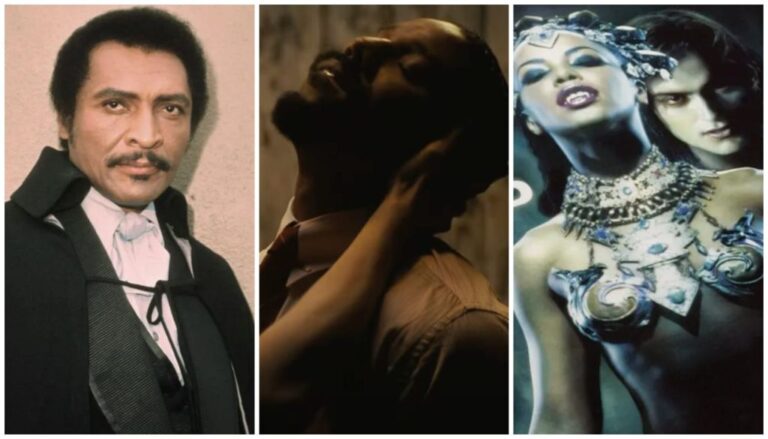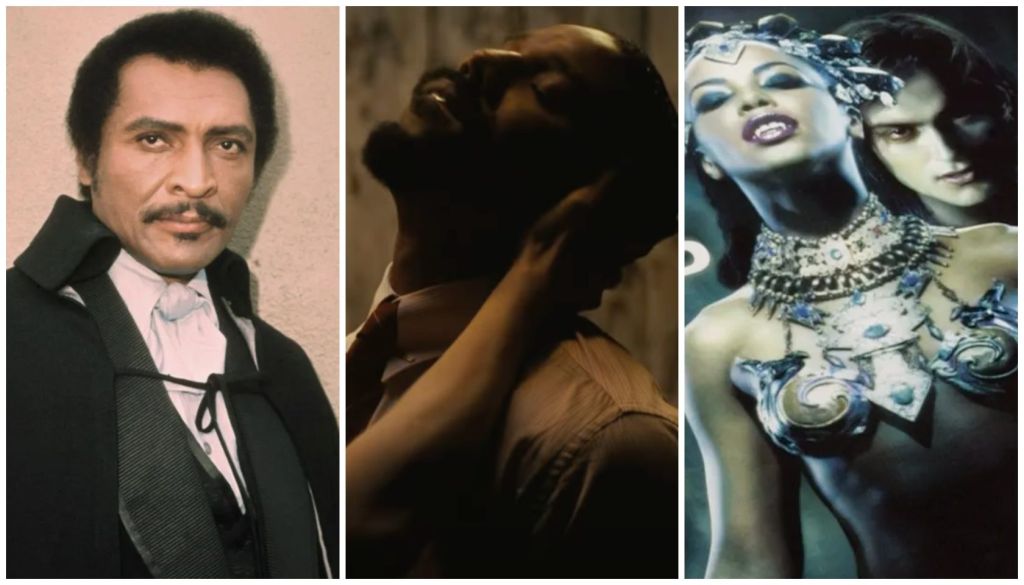
When we think of vampires, we often conjure up images of pale figures lurking in the shadows, but let’s not sleep on the rich tapestry of Black vampires that have graced our screens. As Ryan Coogler’s highly anticipated vampire thriller ‘Sinners’ sinks its teeth into theaters, it’s the perfect moment to celebrate the Black bloodsuckers who have rewritten the rules of the genre. These characters aren’t just pretending to bite; they redefine what it means to embrace the night.
From the chilling performances that sent shivers down our spines to the ones that sparked laughter and joy, Black vampires in film and television have brought a unique flavor to the lore. Take, for instance, the iconic Blacula, who emerged in the 70s and challenged not only the genre’s tropes but also the societal norms of his time. This wasn’t just a man cursed to feed on blood; he became a symbol of the struggle against oppression, embodying the pain and resilience of our community. His legacy paved the way for future characters to explore themes of identity, belonging, and power in ways that resonate deeply with our experiences.
Fast forward to today, and we see a wave of new Black vampires carving out space in mind-boggling narratives that don’t shy away from issues that matter to us. Characters like Dea from HBO’s ‘Night Watch’ bring a fresh perspective, blending supernatural elements with the gritty reality of urban life. Here, vampirism becomes a metaphor for survival, representing the lengths we go to protect our own in a world that often feels hostile. These stories remind us that our struggles are universal, even if couched in the gothic and the grotesque.
What’s especially powerful is how these portrayals allow us to reclaim narratives that have long been dominated by stereotypes and misrepresentation. Each Black vampire tells a story that is bold and nuanced, one that flips the script on the traditional vampire tale and makes it distinctly our own. Whether it’s the suave charm of the vampire hunter or the haunting presence of a cursed soul, these characters bring forward a rich cultural commentary that is as insightful as it is entertaining. They make us laugh, cry, and ultimately reflect on our reality while engaging with themes that resonate across generations.
As we queue up to catch ‘Sinners’ on the big screen, let’s raise a glass—preferably filled with something red—to the Black vampires that have blurred the lines between hero and monster, offering up stories that are thrilling, profound, and undeniably ours. This genre is richer for it, and so are we. The next time someone tells you vampires are just myths, remind them that our blood runs through the stories that refuse to fade into darkness.
From The Source

About The Author