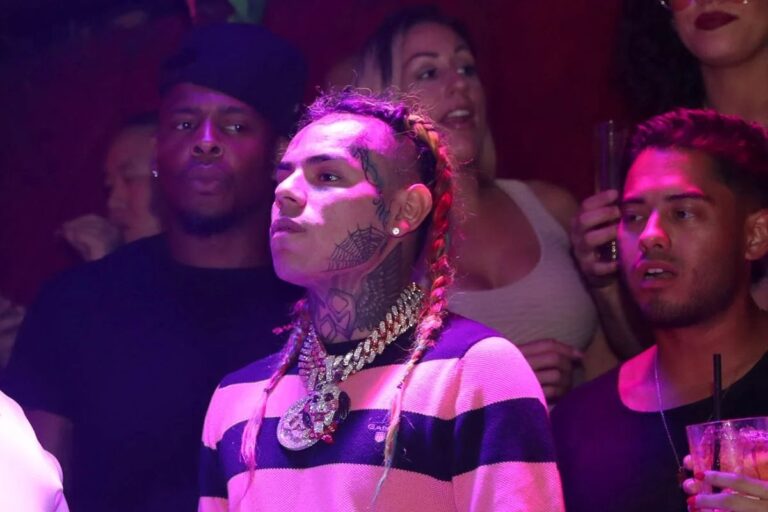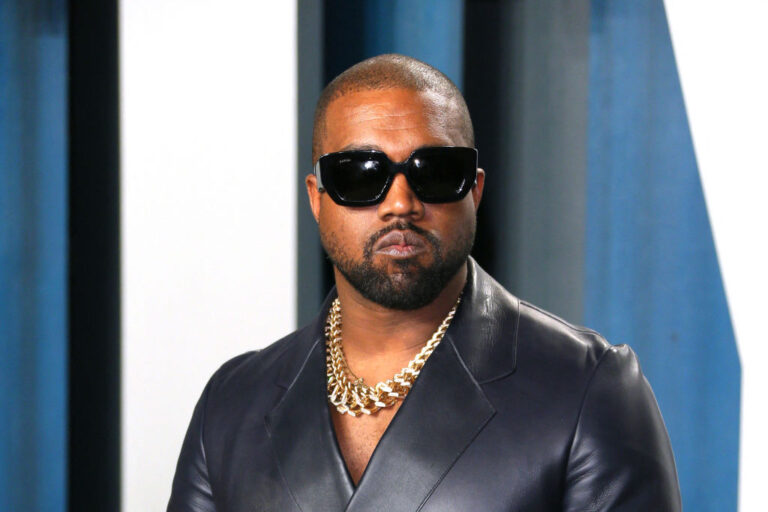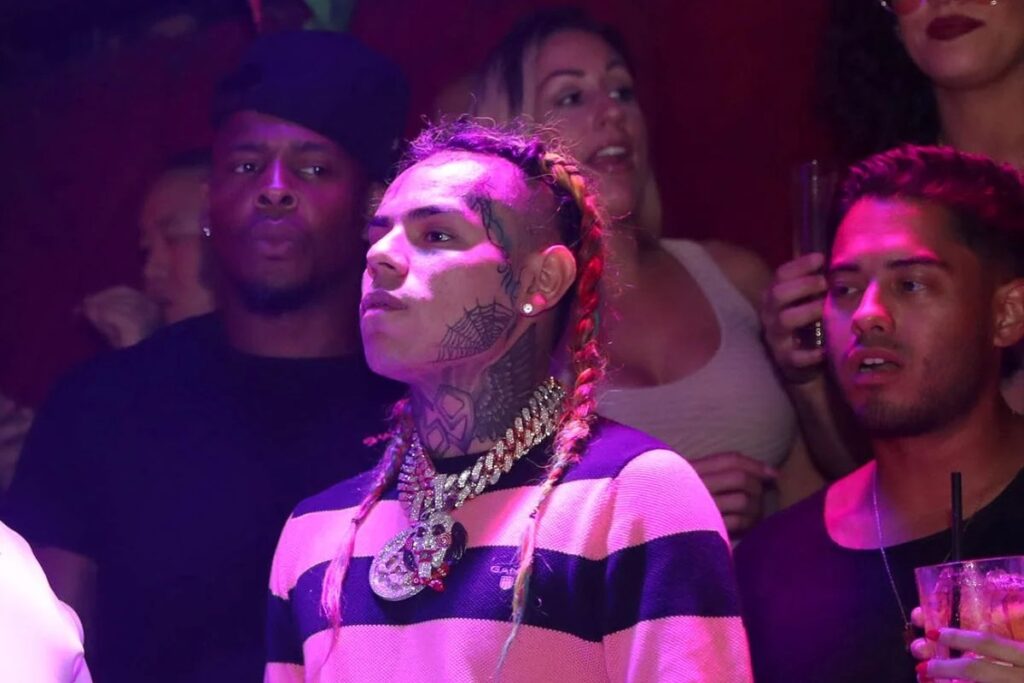
In a controversial revelation, 6ix9ine has come forward with claims that Pooh Shiesty’s label financially incentivized him to boost streaming numbers. The explicit details of this arrangement raise eyebrows, particularly given 6ix9ine’s own tumultuous path through the music industry, marked by legal troubles and public scrutiny.
6ix9ine, known for his brash persona and legal escapades, suggests that the motive behind the payments was to aid in covering the hefty legal fees related to a kidnapping case. This claim not only casts a shadow on the integrity of music streaming but also highlights the lengths some artists might go to in order to navigate the challenges presented by the legal system.
The implications of 6ix9ine’s allegations extend beyond mere financial transactions — they touch on broader issues within the music industry, such as the authenticity of streams and the potential manipulation of charts. In an age where numbers can make or break an artist’s career, how much validity do these claims hold?
For Pooh Shiesty, whose own career is on the rise, these allegations could be detrimental. The rap game is notorious for its competitive nature, and any hint of impropriety can lead to significant backlash. Fans and critics alike are left wondering how this will affect his reputation and future collaborations.
While 6ix9ine’s history often leads to skepticism regarding his statements, the culture of payola and stream manipulation is a reality that the industry must confront. As fans, we must critically assess the music we consume and support artists who remain transparent and genuine in their craft.
As this story unfolds, one thing is certain: the music industry continues to be a battleground not just for talent, but for ethical practices. It’s crucial for the culture to foster authenticity and accountability, ensuring that artists can stand tall without the shadows of controversy looming over them.
About The Author