
Frederick Douglass
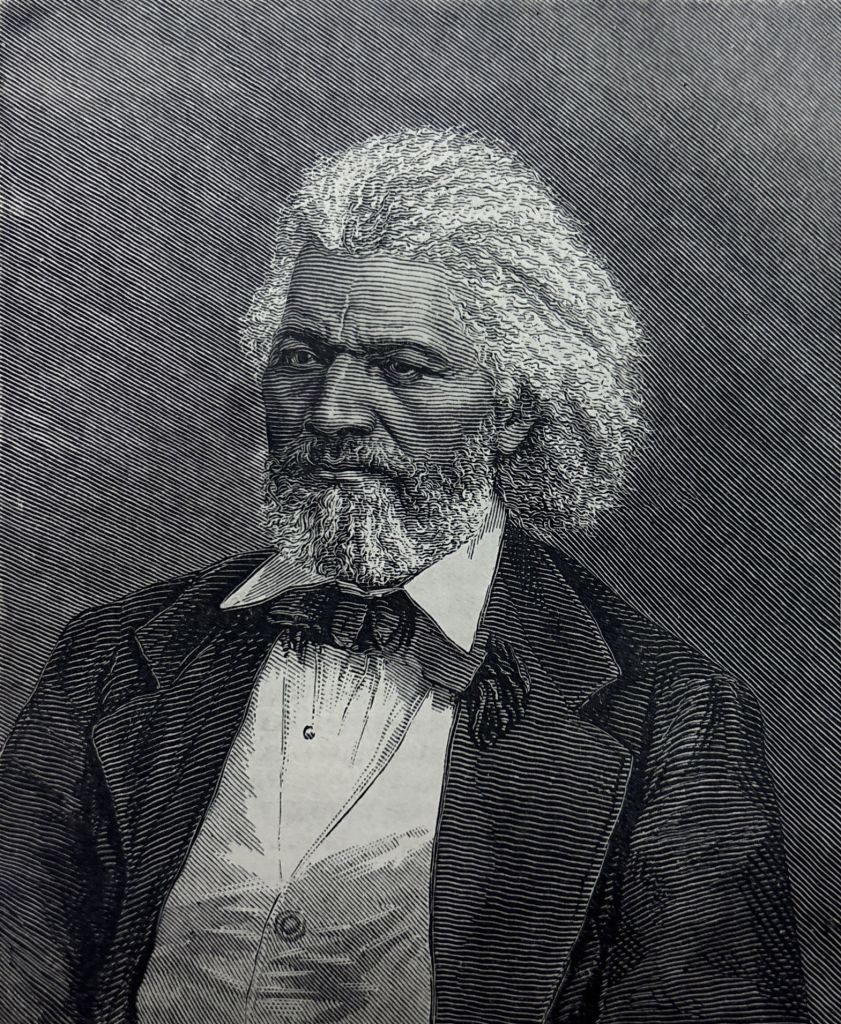
- Who to the group: Abolitionist, author, public speaker
- Why pivotal: Escaped slavery and have become essentially the most highly effective Black voice towards slavery
- What he studied: Largely self-taught (studying, writing, philosophy)
- Where he studied: Self-educated; no formal education
Frederick Douglass was a previously enslaved Black man who grew to become one of the highly effective voices towards slavery in American historical past. He was an abolitionist, author, speaker, and activist who used his private story to show the brutality of slavery and battle for freedom and equality. Through his speeches and bestselling autobiographies, Douglass helped change public opinion and push the nation towards ending slavery. He stays an necessary determine within the Black group as a result of he championed schooling, civil rights, and political energy for Black Americans lengthy earlier than these rights had been widely known.
Harriet Tubman
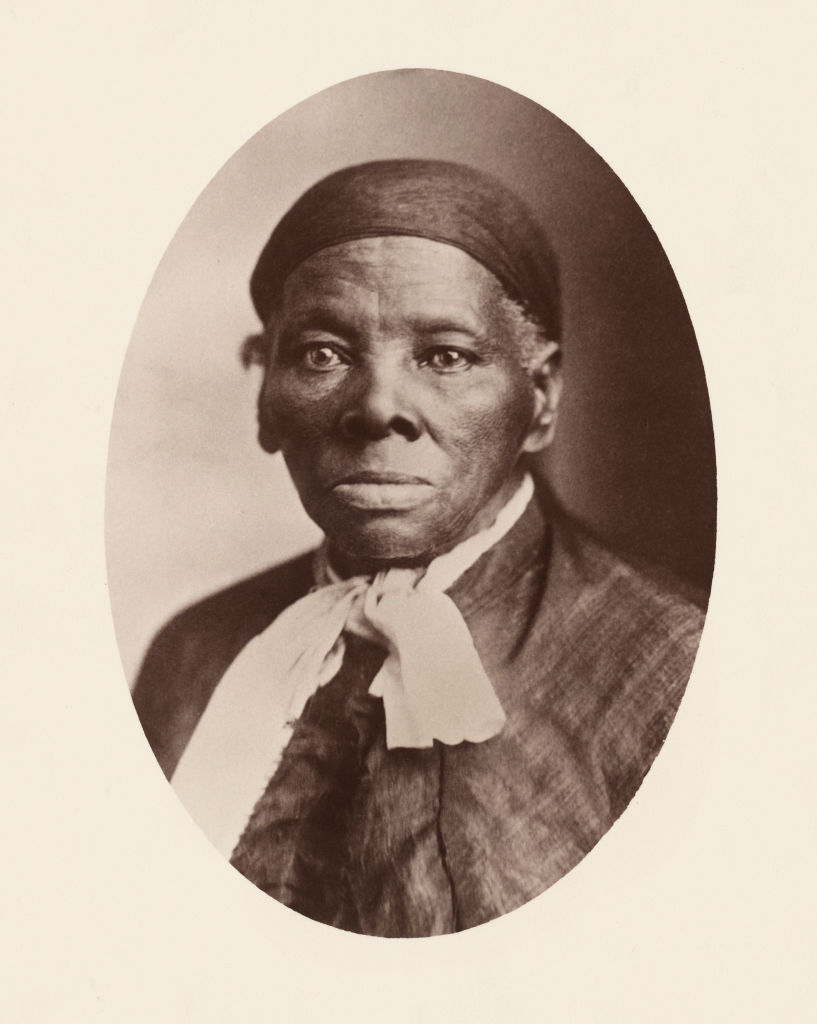
- Who to the group: Abolitionist, Underground Railroad conductor
- Why pivotal: Led lots of of enslaved individuals to freedom
- What she studied: Survival abilities similar to navigation and natural treatment, non secular religion and abolitionist technique
- Where she studied: No formal schooling
Harriet Tubman was a previously enslaved Black girl who grew to become a fearless freedom fighter and abolitionist. She is greatest identified for main dozens of enslaved individuals to freedom by the Underground Railroad, risking her life repeatedly. Tubman additionally served as a spy and nurse throughout the Civil War, preventing for each freedom and the Union. She is a crucial determine within the Black group as a result of her braveness, management, and selflessness symbolize resistance, liberation, and the battle for justice.
W.E.B. Du Bois
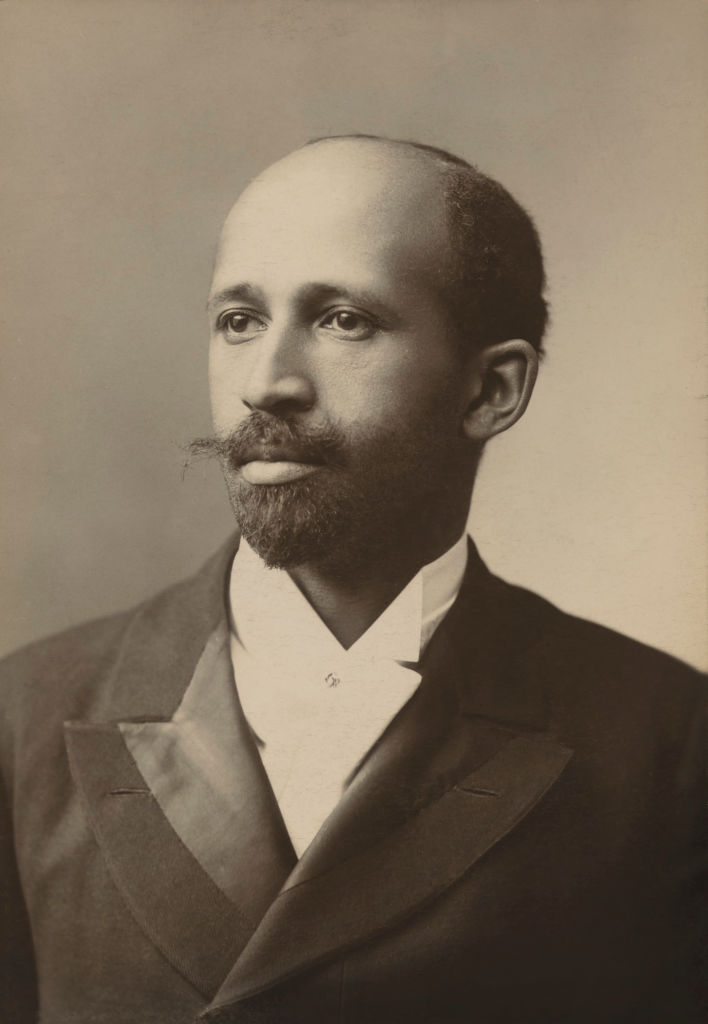
- Who to the group: Scholar, activist, sociologist
- Why pivotal: Co-founder of the NAACP; challenged racism intellectually
- What he studied: Sociology, historical past, philosophy
- Where he studied: Fisk University; Harvard University (PhD)
W.E.B. Du Bois was an excellent scholar, author, and civil rights activist who fought for equality and justice for Black Americans. He was a co-founder of the NAACP and used analysis, books, and essays to problem racism and demand full civil rights. Du Bois believed within the energy of schooling and political motion to uplift the Black group. He is a crucial determine as a result of he helped form fashionable Black thought and laid the muse for future civil rights actions
Booker T. Washington

- Who to the group: Educator, chief
- Why pivotal: Founded Tuskegee Institute; promoted Black schooling
- What he studied: Education, industrial coaching
- Where he studied: Hampton Institute
Booker T. Washington was an educator, creator, and chief who centered on enhancing the lives of Black Americans after slavery. He based the Tuskegee Institute and promoted schooling, job coaching, and financial independence as pathways to progress. Washington believed that constructing abilities and self-sufficiency would assist Black communities achieve respect and stability. He is a crucial determine as a result of his work helped develop academic alternatives and financial progress for Black Americans throughout a essential time in U.S. historical past.
Martin Luther King Jr.
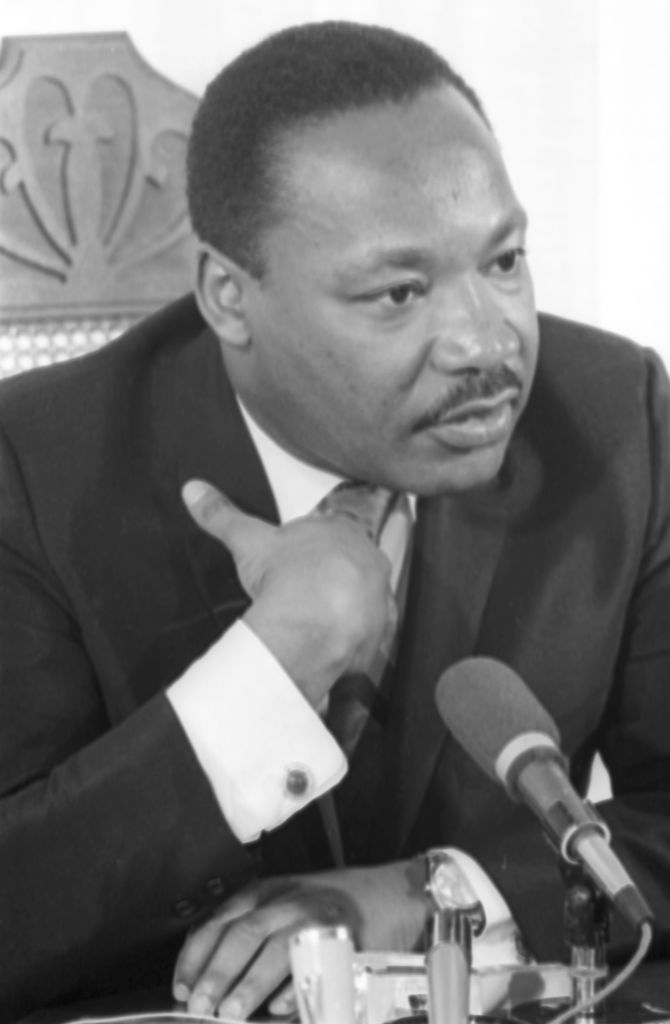
- Who to the group: Civil rights chief, minister
- Why pivotal: Led nonviolent Civil Rights Movement
- What he studied: Theology, philosophy
- Where he studied: Morehouse College; Crozer Theological Seminary; Boston University
Martin Luther King Jr. was a civil rights chief and minister who led the battle towards racial segregation and injustice by nonviolent protest. He performed a key function in main actions and occasions just like the Montgomery Bus Boycott and the March on Washington, the place he delivered his well-known “I Have a Dream” speech. King advocated for equality, voting rights, and financial justice for Black Americans. He is a crucial determine as a result of his management helped result in landmark civil rights legal guidelines and impressed generations to proceed the battle for justice.
Malcolm X
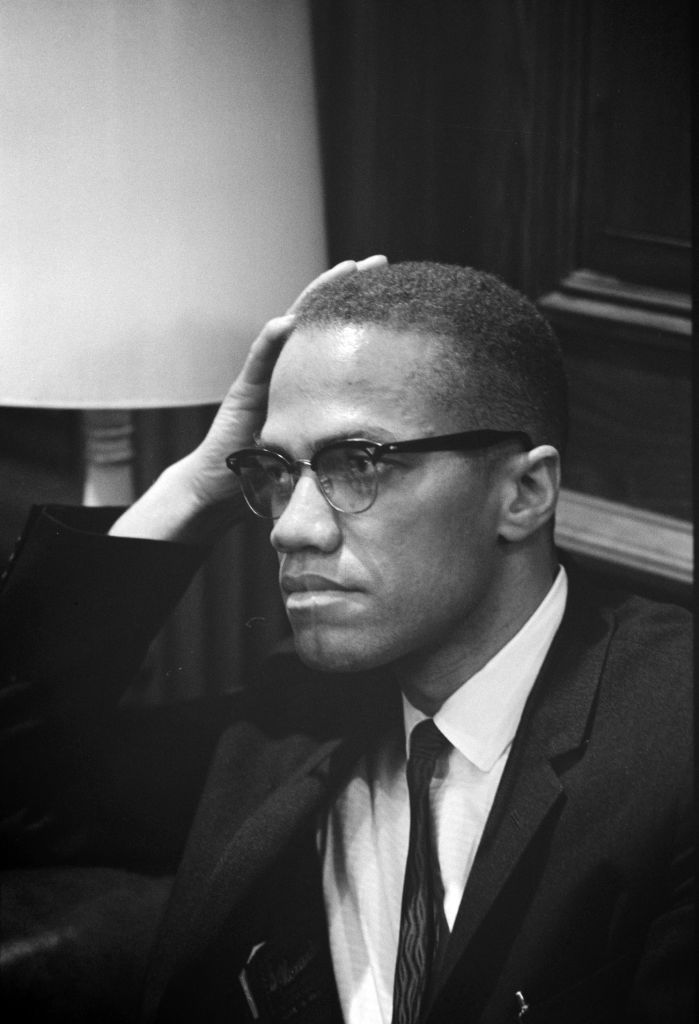
- Who to the group: Civil rights chief, revolutionary thinker
- Why pivotal: Advocated Black self-determination and satisfaction
- What he studied: History, faith, politics (self-taught)
- Where he studied: Prison self-education
Malcolm X was a robust Black chief, speaker, and human rights activist who challenged racism and fought for Black self-determination. He inspired Black satisfaction, self-defense, and independence, urging Black Americans to take management of their very own communities and futures. Through his speeches and writings, Malcolm X uncovered systemic oppression and demanded justice “by any means needed.” He is a crucial determine as a result of he reshaped Black consciousness and empowered individuals to face boldly for his or her rights and identification.
Rosa Parks
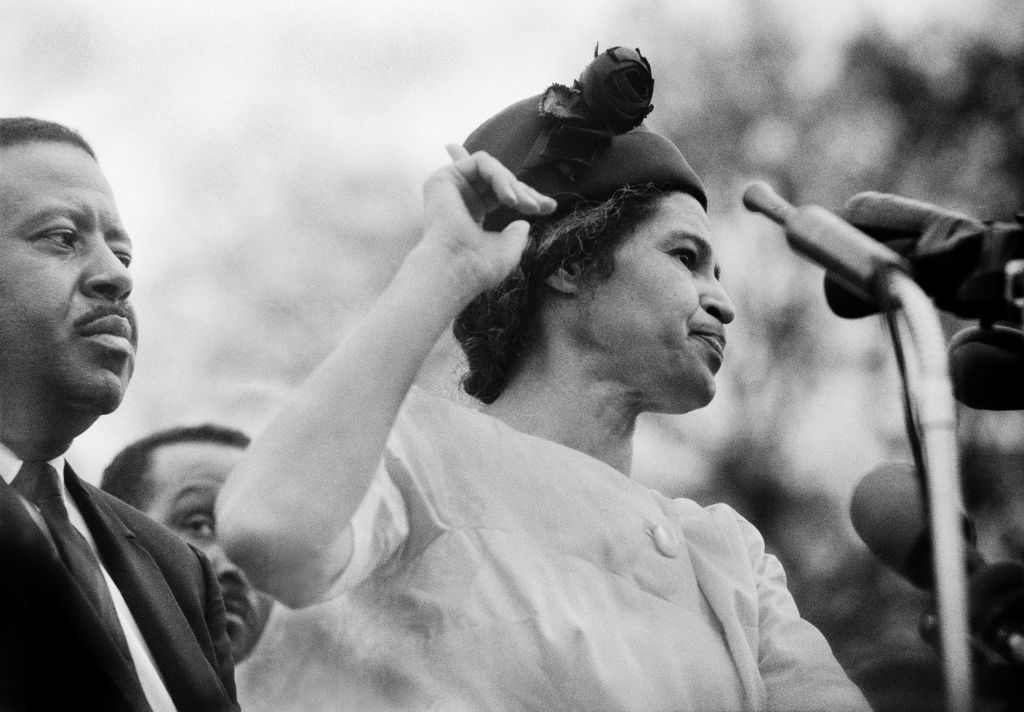
- Who to the group: Civil rights activist
- Why pivotal: Sparked the Montgomery Bus Boycott
- What she studied: Liberal arts
- Where she studied: Alabama State College
Rosa Parks was a civil rights activist whose quiet act of resistance helped ignite the fashionable Civil Rights Movement. In 1955, she refused to surrender her bus seat to a white passenger, resulting in the Montgomery Bus Boycott. Parks spent her life advocating for racial equality and justice past that second. She is a crucial determine as a result of her braveness confirmed how one stand towards injustice can spark large change.
Thurgood Marshall

- Who to the group: Lawyer, Supreme Court Justice
- Why pivotal: First Black U.S. Supreme Court Justice
- What he studied: Law
- Where he studied: Lincoln University; Howard University School of Law
Thurgood Marshall was a groundbreaking lawyer, civil rights activist, and the primary Black Supreme Court Justice of the United States. He fought segregation by the authorized system and was the lead lawyer in Brown v. Board of Education, which helped finish segregation in public colleges. Marshall devoted his profession to defending civil rights and equal justice underneath the regulation. He is a crucial determine as a result of his authorized victories reshaped American regulation and expanded alternatives for Black Americans
Maya Angelou
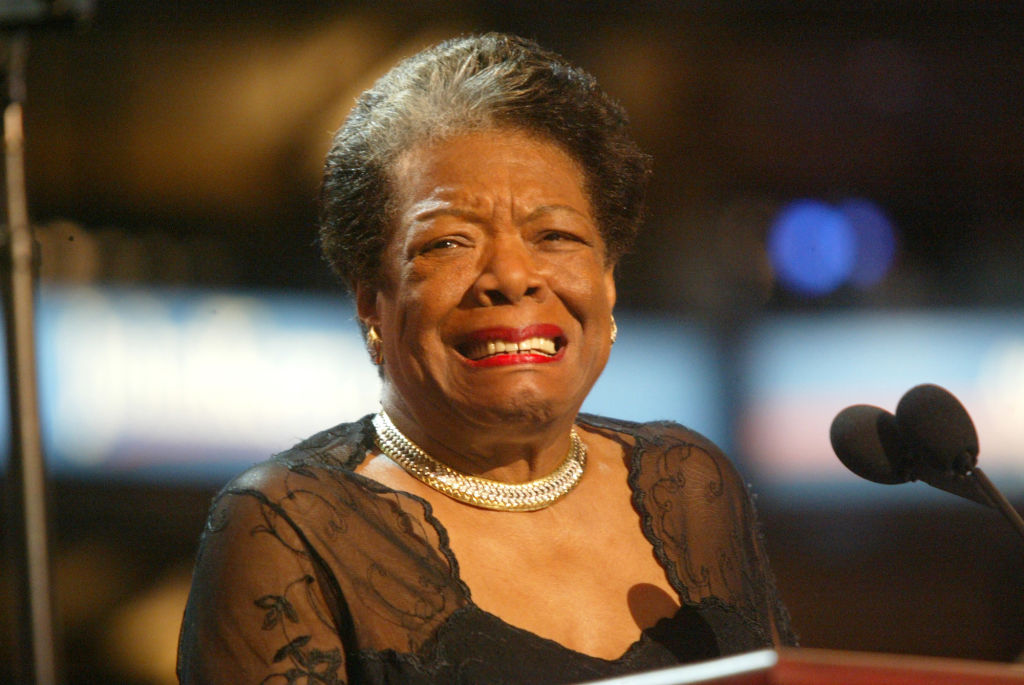
- Who to the group: Poet, memoirist
- Why pivotal: Elevated Black womanhood in literature
- What she studied: Dance, efficiency, writing
- Where she studied: No formal diploma
Maya Angelou was a celebrated poet, creator, and activist whose phrases gave voice to the Black expertise. Through works like I Know Why the Caged Bird Sings, she explored themes of identification, resilience, and liberation. Angelou used artwork and storytelling to encourage satisfaction, therapeutic, and empowerment. She is a crucial determine as a result of her work continues to uplift the Black group and affect generations around the globe.
Marcus Garvey
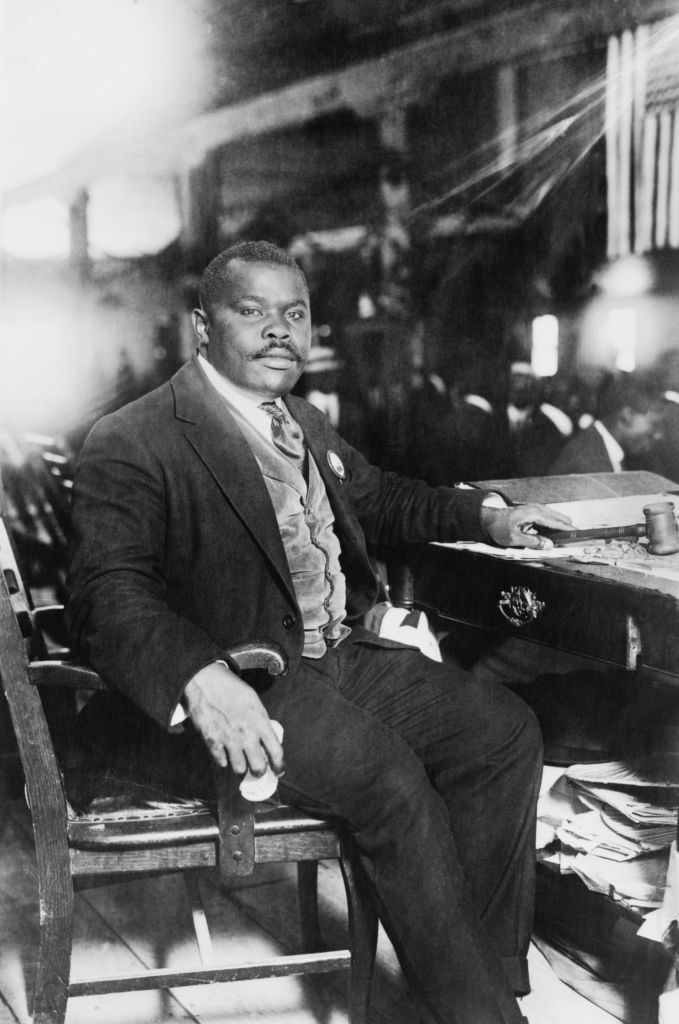
- Who to the group: Black nationalist chief
- Why pivotal: Promoted international Black unity and financial independence
- What he studied: Philosophy and economics
- Where he studied: Birkbeck College (London)
Marcus Garvey was a Black nationalist chief, organizer, and visionary who promoted Black satisfaction, unity, and financial independence. He based the Universal Negro Improvement Association (UNIA), one of many largest Black actions in historical past, encouraging individuals of African descent to embrace their identification and construct their very own establishments. Garvey emphasised self-reliance and international Black empowerment. He is a crucial determine as a result of his concepts impressed future actions centered on Black consciousness, liberation, and self-determination.
Zora Neale Hurston
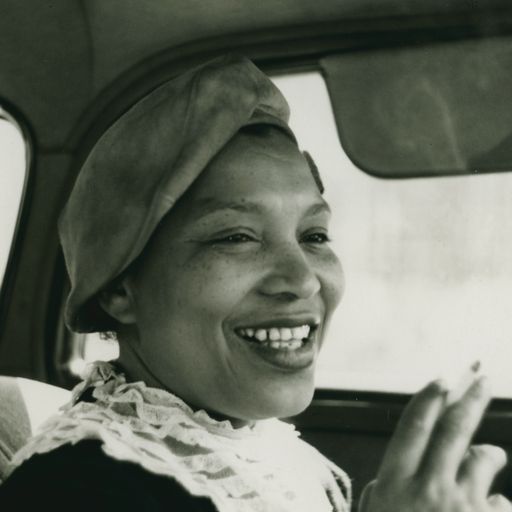
- Who to the group: Writer, anthropologist
- Why pivotal: Preserved Black folklore and dialect
- What she studied: Anthropology
- Where she studied: Howard University; Barnard College
Zora Neale Hurston was a celebrated creator, anthropologist, and folklorist who celebrated Black tradition and life in her work. She is greatest identified for her novel Their Eyes Were Watching God and for preserving African American folklore and tales from the South. Hurston’s writing highlighted the richness, energy, and complexity of Black communities. She is a crucial determine as a result of she gave voice to Black experiences and helped form African American literature and cultural satisfaction.
About The Author