In a whirlwind of controversy, Trick Daddy found himself defending his music after a recent performance at an event hosted by the esteemed Alpha Kappa Alpha Sorority, Inc. (AKA). Known for his raw and unfiltered lyrical style, the Miami rapper’s appearance at this prestigious gathering caught many by surprise, stirring a dialogue around the intersections of hip-hop culture and respectability politics.
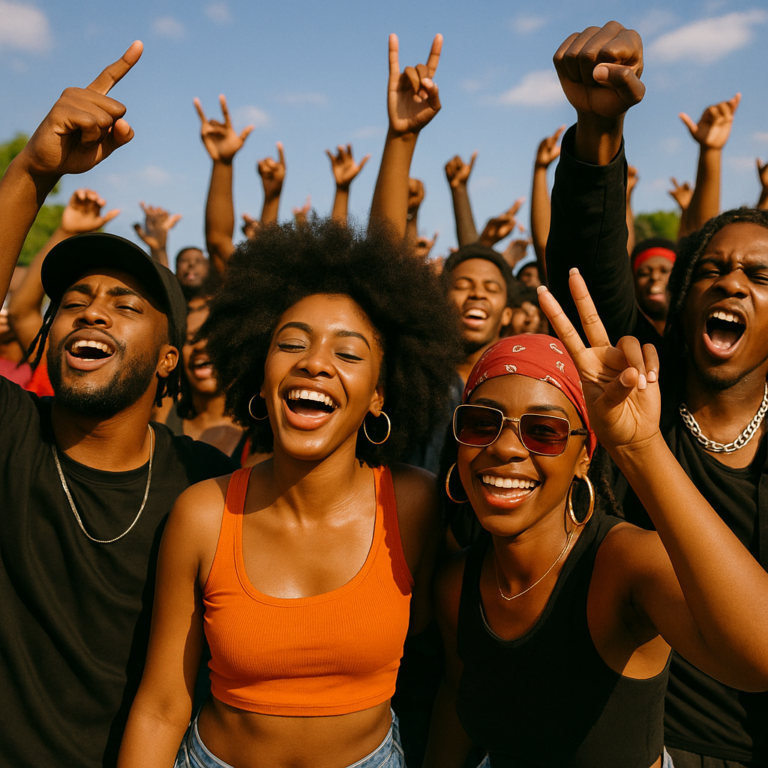
As he took the stage, performing fan-favorites like “I’m a Thug,” attendees, many of whom were AKAs from various generations, showcased mixed reactions. While some embraced Trick Daddy’s authenticity and energy, others appeared taken aback by his signature style, raising questions about appropriateness in different cultural spaces.
Trick Daddy, unbothered by the backlash, quickly took to social media to express his frustration and clarify his stance. He stated, “I perform what my fans love, and that’s the reality. Hip hop is my life, and it should be celebrated in all spaces, including those where we hold our traditions dear.” His words resonate with many artists who experience similar scrutiny in diverse environments.
This incident underscores a larger conversation within the Black community about the complexities of representation. Is there a need for a universal standard of what is deemed acceptable in specific cultural atmospheres? Or should authenticity reign supreme, allowing artists like Trick Daddy to express themselves without fear of judgment?
As hip-hop continues to evolve, it becomes increasingly vital to have these discussions. The genre reflects the diverse tapestry of Black experiences, and while respect for traditions is essential, so too is the freedom to celebrate our culture in all its forms. Trick Daddy’s performance, whether you loved it or loathed it, is a reminder that hip-hop is not just music; it’s a movement that thrives on authenticity, creativity, and self-expression. In the end, we are all part of this vibrant cultural legacy.
About The Author