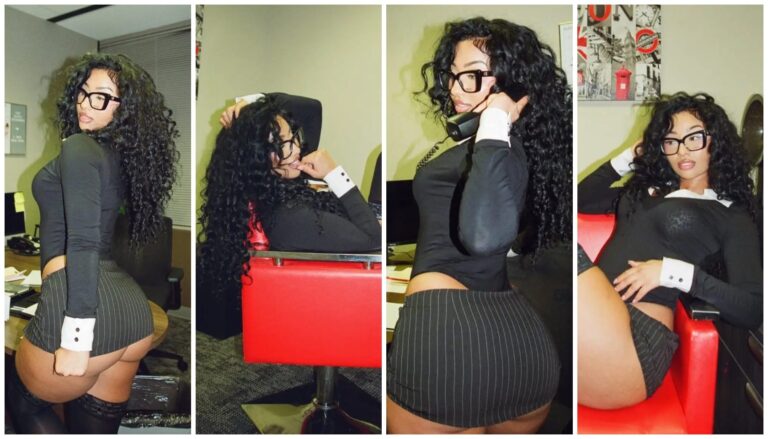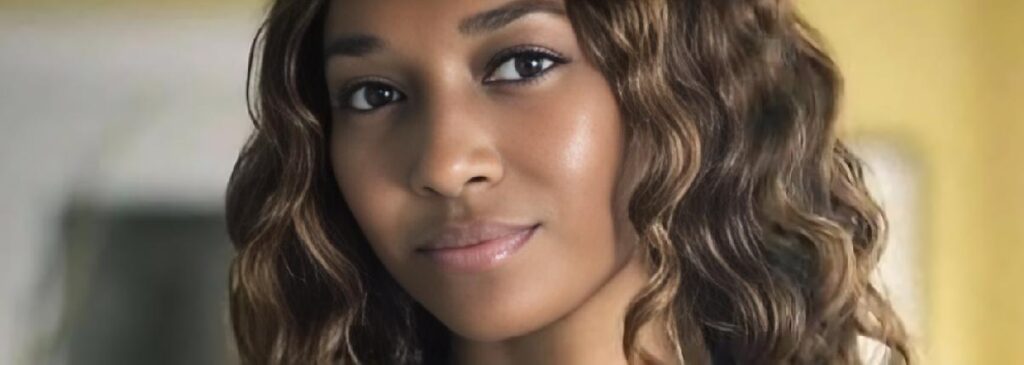
In the latest round of celebrity gossip, TLC’s Chilli is facing some serious scrutiny, and it’s got everyone talking. Recently resurfaced audio from 2016, where she discussed her voting choices, has sparked a firestorm of criticism, particularly from members of our community. Music executive Ray Daniels has stepped into the fray, suggesting that the backlash against Chilli is more about her looks than her rhetoric. It’s a bold claim, but does he have a point?
Chilli, or Rozonda Thomas if you want to get formal, has always been a figure of fascination in the entertainment world. Her beauty and talent have garnered her adoration for decades, yet now, it seems her ‘pretty privilege’ is being weaponized against her. Daniels argues that some Black women are using this privilege narrative to target Chilli and question her authenticity. But let’s unpack that for a second. In a culture where Black women are often pitted against each other, isn’t it telling that a woman who has continuously uplifted her friends and community is now under fire for her choices?
It’s nothing new for celebrities to be held accountable for their political stances, especially in an era where social media amplifies every misstep. But the intensity of the backlash against Chilli raises important questions about how we, as a community, perceive and treat our public figures. Are we truly upset about her political preferences, or is there something deeper at play? Perhaps envy lurks beneath the surface, manifesting as criticism of her beauty and perceived privilege.
Ray Daniels’ commentary reminds us that our conversations around accountability must also respect the complexities of Black womanhood. Chilli’s beauty has always been a double-edged sword. While it has garnered her success, it has also exposed her to a relentless scrutiny that many of us can’t even begin to fathom. Are we really holding her accountable, or are we simply tearing her down because she dares to exist in a space where her beauty is celebrated?
Ultimately, this situation shines a light on the societal pressures and expectations placed on Black women. The narrative of ‘pretty privilege’ isn’t just about looks; it’s about respect, autonomy, and the right to make choices without facing a barrage of judgment. So, while we can engage in the gossip and drama, let’s be mindful of the larger conversations beneath the surface. In a world that often tries to limit us, we need to uplift each other instead.
About The Author