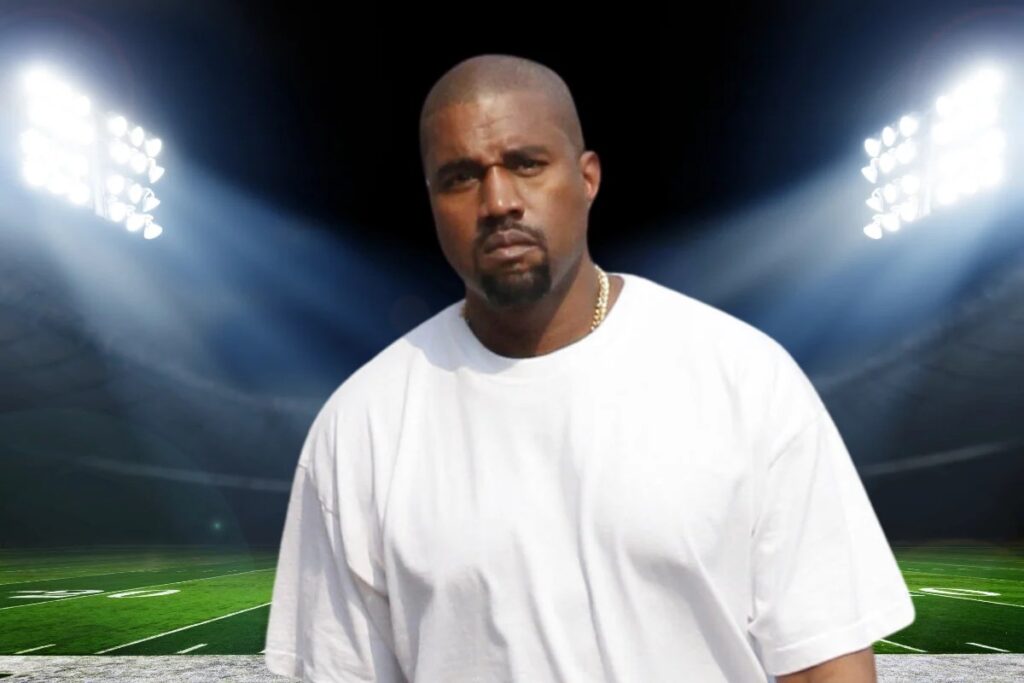
Kanye West is once again at the center of a cultural storm, and this time, it’s not just about his music but the political ramifications of his actions. His upcoming concerts in the Netherlands are flying off the shelves, with fans eager to witness his blend of artistry and controversy. But as anticipation builds, so does the brewing political pressure that could snuff out these shows before they even hit the stage. This situation raises questions about accountability, the intersection of art and politics, and what it means to be a public figure in our day and age.
As we know, Kanye has never shied away from speaking his mind. Whether you’re vibing to ‘College Dropout’ or wrestling with his more recent headlines, his influence on hip hop and culture is undeniable. Yet criticism of his controversial statements and actions has never been far behind. Now, with his concerts poised to ignite conversations across Europe, the Dutch government is reportedly under pressure to reconsider whether to allow him to perform. It’s a classic case of art colliding with societal expectations, and we have to wonder: should artists be held accountable for their words?
The Dutch political landscape is no stranger to heated discussions surrounding freedom of expression. While many of us celebrate the right to speak our minds, it’s essential to acknowledge that freedom often comes with consequences. For some fans, Kanye’s music represents liberation, creativity, and raw emotion, but for others, his public persona raises alarms. The question remains: is it fair to punish the artist for their controversial views when so many of us find solace in their art? Or should we demand a higher standard from those who wield such immense influence?
As the clock ticks down to the scheduled performances, we find ourselves caught in a web of admiration, dissent, and contemplation. Should the concerts go on, they could serve as a platform for deeper dialogue around race, mental health, and the complexities of Black identity in the public eye. If they don’t, we might miss an opportunity to reflect on the very issues that divide us and unite us. It’s not just about Kanye; it’s about what he represents in a world that often struggles to balance freedom with accountability.
Ultimately, we’re left with a pivotal question: in a world that is constantly evolving, how do we navigate the nuances of artistry and speech? As we weigh the potential impact of Kanye’s presence on stage, let’s remember that the conversation extends far beyond one man. It’s a dialogue we all need to engage in, whether we’re standing with Kanye or calling for accountability. The question isn’t just about his concerts; it’s about us, our values, and how we use our voices in this ongoing narrative.
About The Author