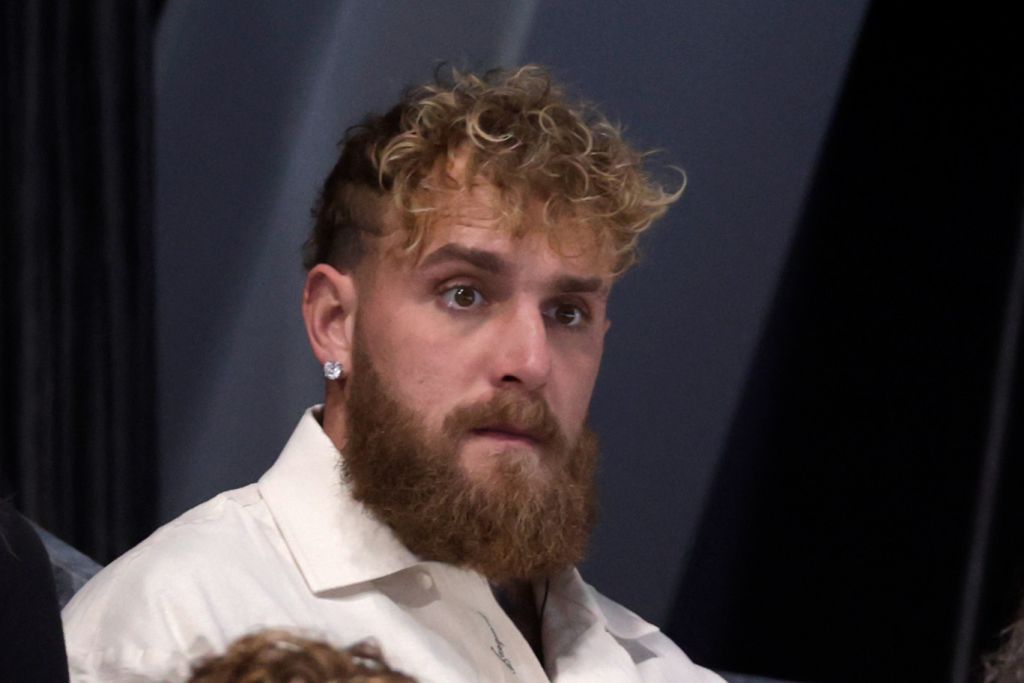
Here we go again. Jake Paul, the social media star turned wannabe boxer, is back in the headlines, but not for the reasons we’d hope. In a recent chat on Theo Von’s podcast, he found it necessary to drop the bomb that he thinks Druski’s skit is hilarious and, in what can only be described as an egregious misstep, wants to create his own version—this time with blackface. Let’s unpack this mess, because it’s a blatant reminder of how some folks still think they can play with our culture without facing any real consequences.
Druski has made waves with his hilarious and insightful skits, shining a light on the nuances of Black culture with comedy that resonates deeply within our community. His work is a reflection of our experiences, something many outsiders simply can’t grasp. But here comes Jake, fishing for clout through a performance steeped in the very stereotypes Druski satirizes. It’s like he’s holding a sign that says, “I don’t get it, but I’m going to make a fool of myself anyway.” There’s a fine line between humor that connects and humor that offends, and Jake is dramatically missing the mark.
What’s even more aggravating is the audacity behind this idea. We’re talking about a tradition that carries historical weight, a legacy of pain and mockery that many in our community are still grappling with. It’s easy for someone like Jake, who can switch careers at the drop of a hat and walk away unscathed, to think this is all a game. He can toss around the phrase “comedy” like confetti, but he fails to understand the profound implications behind blackface. This isn’t just about a bad joke; it’s about a history of dehumanization and disrespect that we refuse to take lightly.
And let’s not forget the sense of entitlement. Jake Paul has built his brand on sensationalism and controversy, and now he sees a way to ride the wave of Druski’s success without any regard for the implications. This is a classic example of cultural appropriation dressed up in the guise of comedy. It’s tiring to have to remind people that our culture isn’t a costume, and that we won’t stand for being the punchline in someone else’s quest for relevance.
So what do we do with this? We educate, we call it out, and we refuse to let it slide. Jake’s desire to jump on board with a blackface skit isn’t just misguided; it’s a stark reminder that there’s still work to be done in addressing how people outside our community engage with our culture. The days of playing with our identity for giggles need to end, and it starts with us holding those who seek to exploit it accountable. Our laughter deserves respect, not mockery. Let’s keep that energy as we navigate through these conversations—because our voices matter, and we’re not here to be anyone’s punchline.
From The Source
About The Author