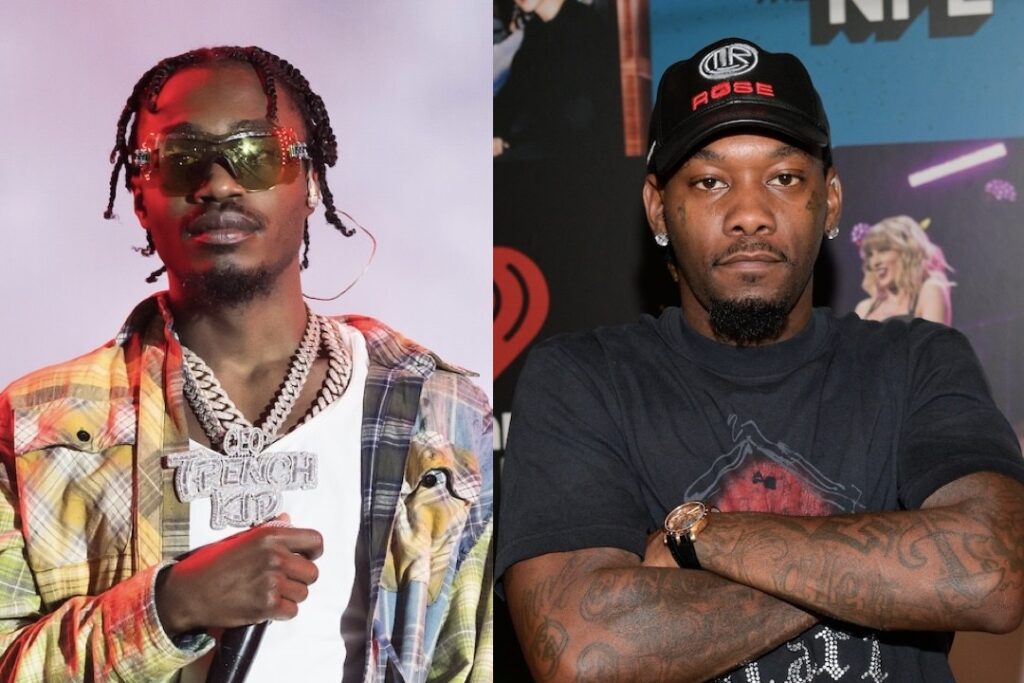
The streets are buzzing with the troubling news that Lil Tjay’s associate is implicated in a shooting involving Offset. This shocking development has sent ripples through our community, stirring memories of the beefs and betrayals that have plagued our beloved hip hop scene for far too long. We’ve seen this story unfold time and again, where talent gets overshadowed by violence and the consequences ripple far beyond the initial act.
It’s a harsh reminder of the precarious balance between fame and safety in our culture. When you’re in the spotlight, every move is scrutinized, and the line between friend and foe blurs with every step. Offset, a cornerstone of the Migos, rose to fame with the kind of swagger and lyrical prowess that pushed the boundaries of our art form. Seeing him entangled in violence feels like a betrayal of the music we love and a painful reflection of the struggles we face.
We can’t ignore the impact this has on our perception of hip hop and the narratives surrounding it. As Black artists, we often find ourselves painted with the same brush, caught in a cycle where our successes are overshadowed by our pain. The gun violence that’s become a haunting specter in our community doesn’t just endanger lives; it jeopardizes the legacy of the very culture we’ve built. Artists like Offset shouldn’t have to navigate a world where their name is tied to violence rather than their art.
While the details continue to unfold, we must ask ourselves what this means for the future of hip hop. Are we going to continue letting the industry exploit our pain or rise up and demand a space where creativity thrives without the threat of violence? We have a collective responsibility to protect our artists and to uplift the voices that speak truth to power. Hip hop was born from struggle, but it should never be defined by it.
As we head into the weekend, let’s keep this conversation alive. Let’s rally around our artists and remind the world that while the streets can be dangerous, the power of our culture is rooted in resilience and creativity. It’s time we take back the narrative before it’s too late, because the future of our music depends on it.
About The Author