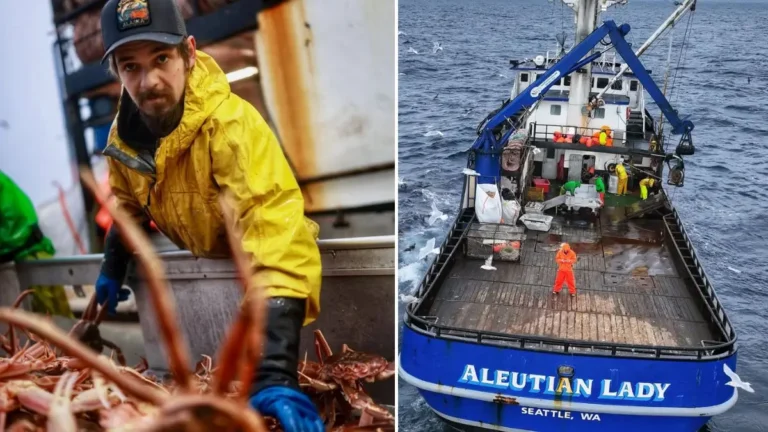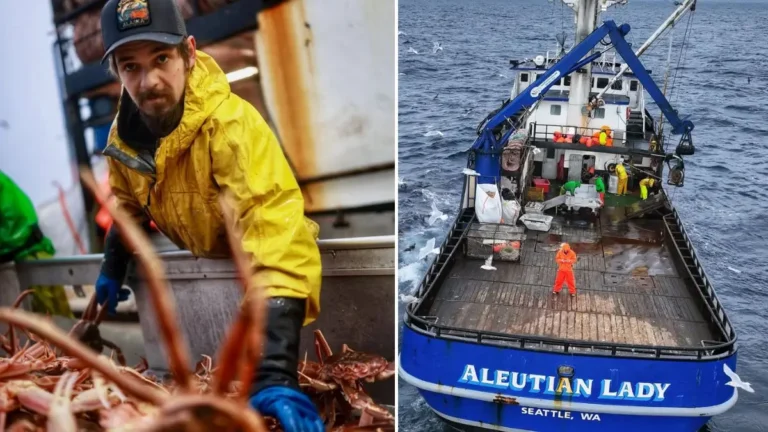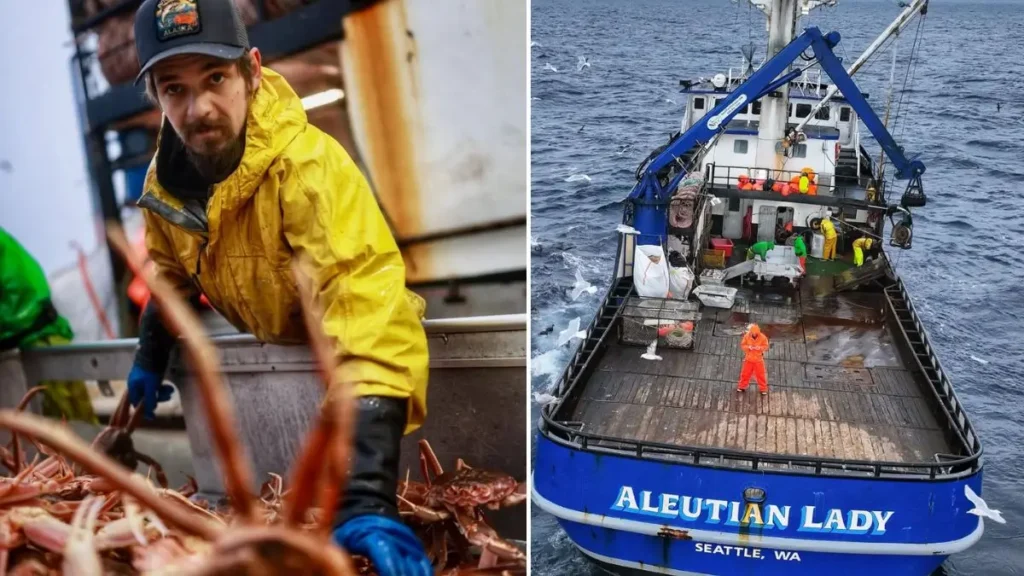
When the news broke about the tragic demise of a beloved ‘Deadliest Catch’ star, our hearts sank like a stone in the icy waters of the Bering Sea. This isn’t just another headline; it’s a haunting reminder of the harsh realities that come with high-stakes professions. For years, Discovery Channel’s gripping series has pulled us into the wild world of Alaskan crab fishing, where fishermen face monstrous waves and unforgiving equipment. But behind the cameras and the bravado, there lies a story that resonates deeply with our community, reminding us of the vulnerability that often goes unspoken.
As we sift through the chilling details surrounding the star’s final moments, we can’t help but question how someone so full of life could meet such an untimely fate. The adrenaline of battling nature for a catch can easily overshadow the very real risks at play. When we tune in for the thrill, we sometimes forget that these fishermen are not just faces on a screen; they’re real people with families, dreams, and a daily gamble with danger. The tragedies that happen away from the spotlight serve to underscore the perilous existence these men lead, and it leaves us grappling with our own feelings of helplessness.
In a world that often glorifies the hustle, we must pause and reflect. What are the costs of our entertainment? What sacrifices do these individuals make for our viewing pleasure? We find ourselves questioning whether the excitement of an action-packed scene on our TVs justifies the risks entailed in the lives of those who brave the elements. This moment is more than just a loss; it’s an invitation for us to honor those who have fallen while also fostering a deeper appreciation for the lives that hang in balance every single day.
As we mourn this loss, let’s make sure we hold space for the discussions that need to happen about occupational hazards in tough industries, especially those that involve Black workers and fishermen who often do the dangerous jobs that keep our economy afloat. It’s time we elevate these conversations, not just to remember the fallen, but to ensure that their stories contribute to real change and safety for future generations. Their lives matter, and the circumstances of their passing should challenge us to advocate for better protections in all hazardous professions.
In the end, this tragic incident reveals a powerful truth: when we engage with our favorite shows, we aren’t just spectators. We become part of a larger narrative that connects us to the struggles and triumphs of those brave enough to face the dangers of the world head-on. We owe it to them to honor their legacy, ensuring that their sacrifices are never forgotten.
From The Source
About The Author