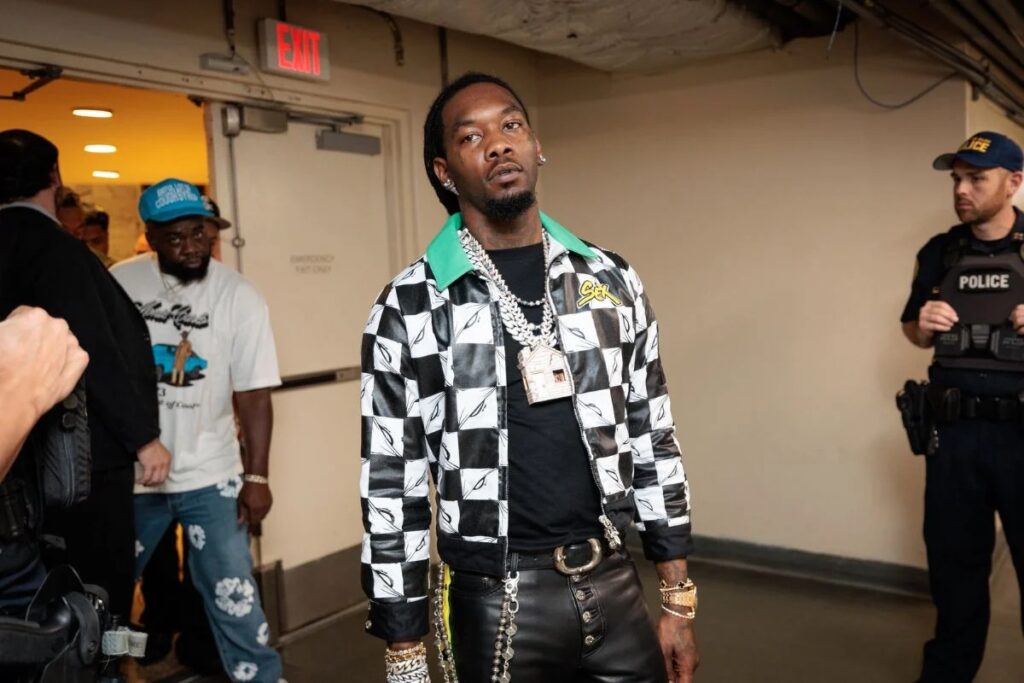
Offset, one of the most recognizable names in Hip Hop, finds himself wrapped up in a scandal that feels ripped straight from a reality show script. Dez Bryant recently took to social media to air out some serious laundry, revealing that Offset owes a whopping $8,000 in gambling debts. This isn’t just chump change; it’s a glaring spotlight on the pitfalls of high-stakes gambling that often lurk in the shadows of fame. But this latest revelation comes in the wake of a more troubling incident—Offset was allegedly involved in a shooting at a Florida casino, raising the stakes both literally and figuratively.
As we dive deeper into this saga, it’s clear that the culture surrounding gambling isn’t just a personal choice; it can spiral into a community issue. We’ve all seen our fair share of entertainers flaunting their wealth, but this kind of exposure strips away the glam and reveals the underbelly of what happens when the thrill of the game overpowers common sense. These debts, coupled with a violent altercation, paint a troubling picture of what happens when the love for the hustle turns into a dangerous gamble.
It’s not just about one person’s financial misfortune; it’s about how these situations reflect on us as a community. We’re talking about young folks out there who look up to artists like Offset—seeing their lives filled with glitz and glamour, unaware of the potential dark paths that lie beneath. We need to have more honest conversations about the consequences that come with the lifestyle and the choices celebrities make when they chase that high. Dez Bryant’s revelations force us to confront these realities head-on, and we can’t shy away from it.
The more we peel back the layers, the more we realize this isn’t just a personal crisis for Offset. It’s a cautionary tale that could resonate with many in our community. We need to shout from the rooftops that we can celebrate our successes without falling into the traps that come with them. Offset’s situation is a reminder that fame doesn’t shield us from the consequences of our choices; in fact, it can amplify them. We should be having these discussions, not just in whispers but loud and clear, making sure our young people see both sides of the coin.
As this story continues to unfold, we’re left with more questions than answers. How do we protect our artists while encouraging them to make better choices? How do we navigate the glamorous yet treacherous waters of fame without losing sight of what’s real? We’re all part of this narrative, and our voices matter just as much as the headlines. The next move is ours, and with stories like this, we need to step up and guide our culture toward a more conscious future.
About The Author