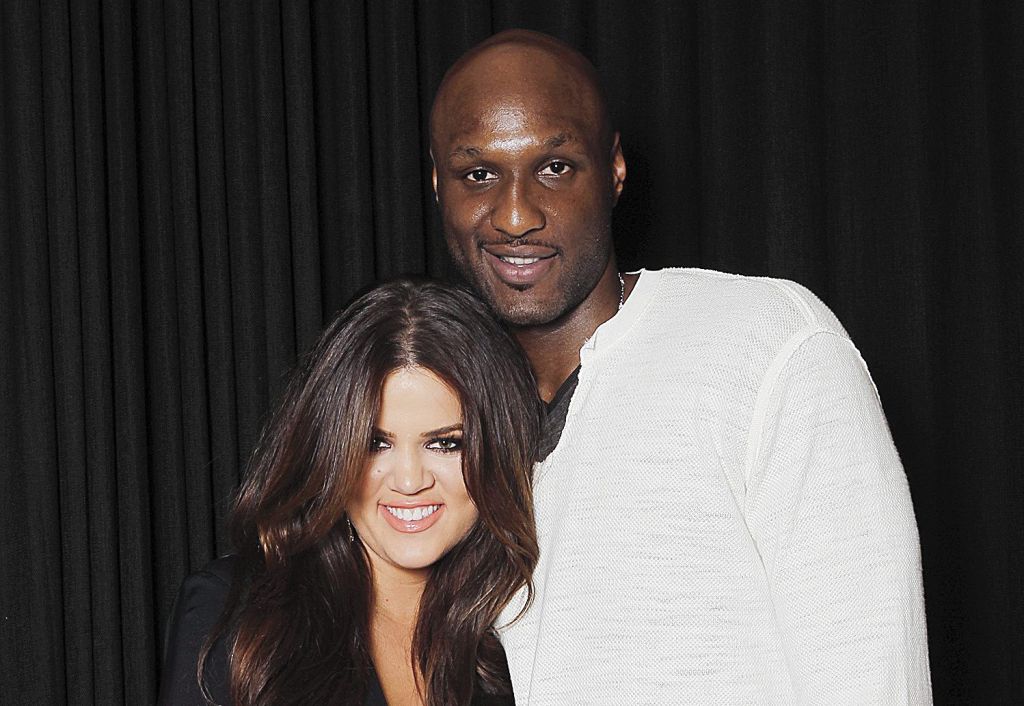
If we’ve learned anything from the saga of Lamar Odom and the Kardashian clan, it’s that family dynamics aren’t just public; they’re painfully dissected in front of the world. Recently, Lamar took to social media to address some serious claims made by his ex-wife, Khloé Kardashian, regarding his late father’s intentions during one of the most critical moments of his life. Khloé suggested that Lamar’s father wanted to take him off life support, a statement that hit Lamar like a punch to the gut. In his response, he made it clear: ‘He was my biggest fan.’
This situation opens up a conversation about how narratives can be shaped and reshaped in the public eye. Lamar has been through the wringer—battling addiction, facing health crises, and navigating the complex web of fame. His father, Joe Odom, played a crucial role in his life, and that bond shouldn’t be reduced to just a soundbite meant to fuel a reality TV storyline. Lamar’s assertion isn’t just a defense of his father; it’s a declaration of love and loyalty in a world where those sentiments can easily be weaponized.
We’ve seen the Kardashians take center stage in so many stories, often overshadowing the voices of the people living them. It’s a reminder that while we might be entertained by their lives, the real human experiences behind the headlines deserve respect. Lamar’s journey has taught us about resilience, and hearing him stand firm against these claims reinforces the idea that we must protect our narratives. Our stories, especially those stemming from the trials of our loved ones, shouldn’t be trifled with for the sake of dramatics.
In a culture that often sensationalizes personal struggles, we must advocate for authenticity and truth. Lamar’s rebuttal serves as a call for accountability. It’s not just about him and Khloé; it’s about how we as a community choose to honor the memories of those who have passed on. They are more than just pawns in a media chess game.
As we navigate our own lives and the lives of those around us, let’s remember to uplift the real stories of love, support, and the often complicated relationships we share with our families. What if we all took a moment to think critically about how our words and actions affect the narratives we tell? In the end, it’s our truth that defines us, not the narratives imposed upon us.
From The Source
About The Author