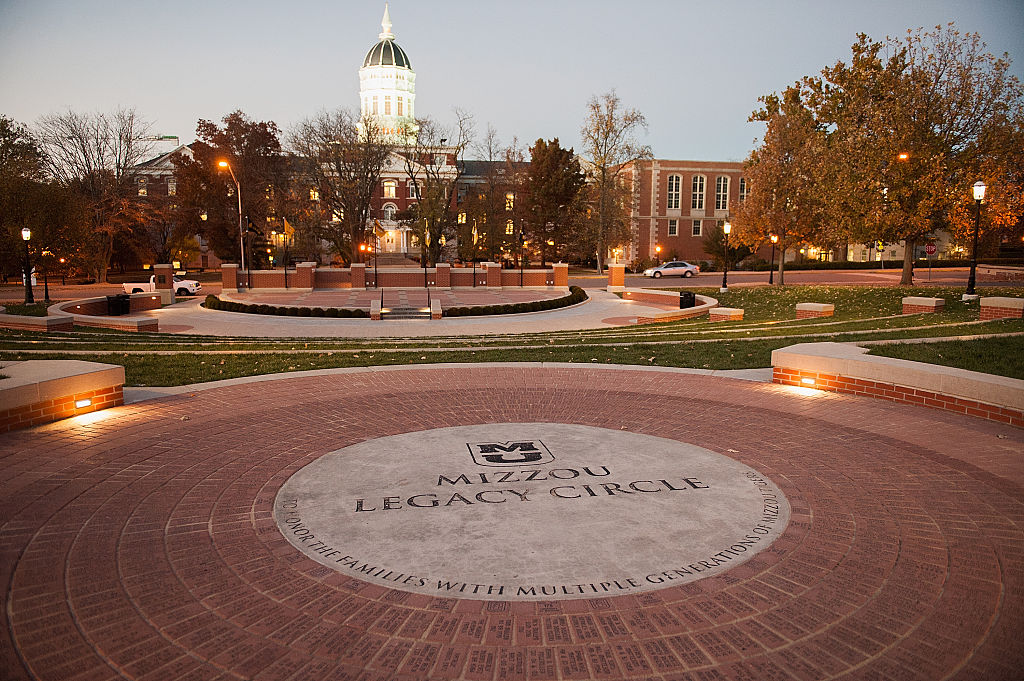
When we talk about the backbone of any university, we’re not just referring to brick and mortar. We’re talking about the communities that breathe life into our campuses. At the University of Missouri, that backbone is quaking after recent budget cuts specifically targeting Black, Latino, and LGBTQ organizations, leaving students enraged and demanding action. These cuts aren’t just numbers on a spreadsheet; they represent a blatant disregard for diversity, equity, and inclusion at a time when those values should be flourishing.
Students aren’t just sitting back and accepting this financial injustice. They’re taking to the streets, rallying together, and raising their voices because they know what’s at stake. These organizations are vital lifelines, providing essential support and a sense of belonging to students who often navigate a world that doesn’t always see or value them. For many, these spaces foster not just academic success, but personal growth, resilience, and community bonds that can last a lifetime. When institutions fail to protect and fund these communities, they send a message that their contribution to campus life doesn’t matter.
The cuts we’re witnessing are part of a larger pattern — a systematic undervaluing of Black and brown voices in predominantly white spaces. This isn’t just about Mizzou; it’s a national issue where financial resources often reflect institutional priorities. Our culture, our stories, and our histories can’t be sidelined like some elective course. We all know that when funding is slashed, it’s our communities that bear the brunt of those decisions. It’s not just a financial blow; it’s a direct assault on our identity and ongoing fight for equity.
But here’s the thing: our community is resilient. The outrage seen on the Mizzou campus is a testament to that spirit. Students are demanding accountability and transparency, and they refuse to be silenced. This moment is bigger than a budget cut; it’s a call to action for youth to assert their power and redefine what support looks like in these institutions. Not only do they want their voices heard, they are ready to mobilize and create change that cannot be ignored.
As we reflect on these events, let’s remember that the fight for representation and equity is far from over. The students at Mizzou are sending a powerful message to universities everywhere: we demand to be seen, valued, and supported. And while the path ahead may be rocky, we know that our collective voices can and will inspire change. This moment of outrage could very well be the spark that ignites a movement for real transformation. The only question left is how we, as a community, will respond.
From The Source

About The Author







![Taylor Polidore Williams Says Indie Film ‘HPV: Her Pretty Vagina’ Is Bigger Than Entertainment: ‘I Knew It Was A Necessary Conversation’ [Exclusive]](https://powervaultnetwork.com/wp-content/uploads/2026/05/17794757122146-768x512.jpg "Taylor Polidore Williams Says Indie Film ‘HPV: Her Pretty Vagina’ Is Bigger Than Entertainment: ‘I Knew It Was A Necessary Conversation’ [Exclusive]")