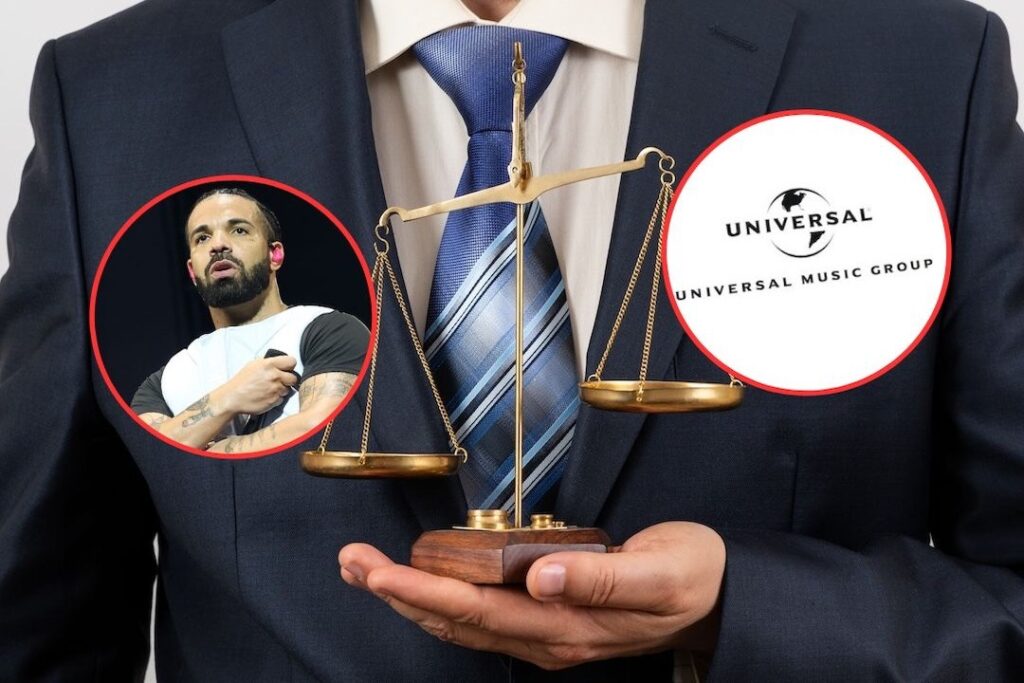
When Drake dropped his track ‘Not Like Us’, he didn’t just make waves in the charts; he stirred up a hornet’s nest of legal implications that has us all tuning in. Yale’s legal scholars stepping into the ring to support Universal Music Group is no small matter. These are not just academics with dusty books and theories; they’re laying down the law on a battle that could shape the future of hip-hop and intellectual property rights. We know our culture is a battleground for creativity and ownership, and this case amplifies that struggle in a big way.
The core of the issue revolves around sampling, a central pillar in hip-hop’s DNA. Drake’s use of snippets from lesser-known tracks raises eyebrows and questions about artistic ownership and the rights of creators, especially in a genre that thrives on borrowing and remixing. UMG’s argument, backed by Yale’s heavy-hitters, suggests that if we don’t defend these rights, we risk setting a precedent that could suffocate our creativity. We’ve seen how quick the industry can be to snatch away opportunities from Black artists, and now more than ever, we need to unite and protect what we’ve built.
It’s all about the intersection of culture and commerce, right? While some might argue that all this legal chatter sounds boring, let’s not kid ourselves. This is about claiming our narrative and making sure our artists aren’t just surviving, but thriving. These legal scholars aren’t just analyzing cases; they’re fighting for the very essence of hip-hop culture that has always celebrated innovation through sampling. We owe it to ourselves to pay attention, to engage, and to understand how these battles lay the groundwork for the artists of tomorrow.
Drake might be the face of this war right now, but it’s larger than him. This is about all of us, our stories, and how we define ownership in an industry that often tries to commodify our creativity without giving credit where it’s due. While the legalities twist and turn, we must ask ourselves: How do we ensure that our voices are not only heard but also respected? The stakes are high, and every decision made in this courtroom echoes throughout every street corner, studio, and cypher in our community.
In the end, we’re at a crucial juncture where music, law, and culture collide. Let’s keep our eyes on this case because it’s not just about one artist. It’s a reflection of our struggles, our dreams, and our relentless pursuit of justice in every bar we spit and every note we play. If we don’t advocate for our own, who will?
About The Author