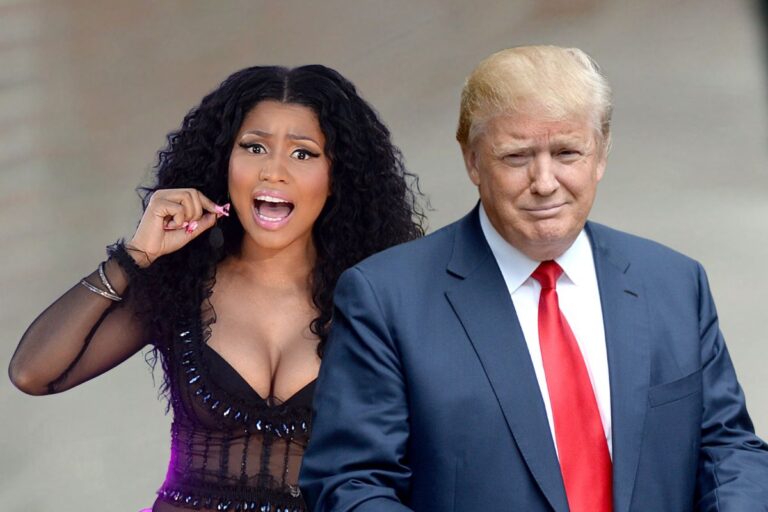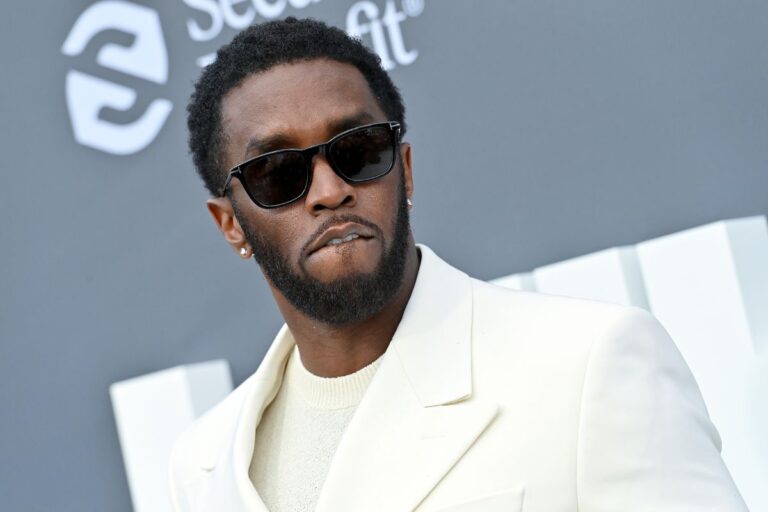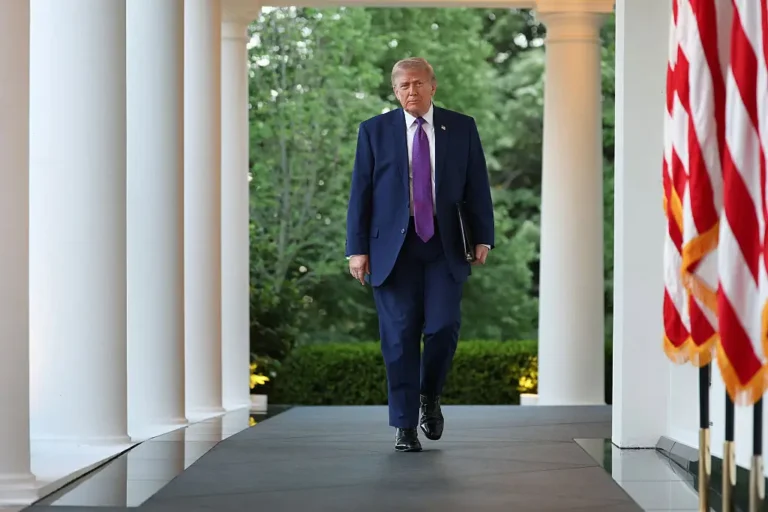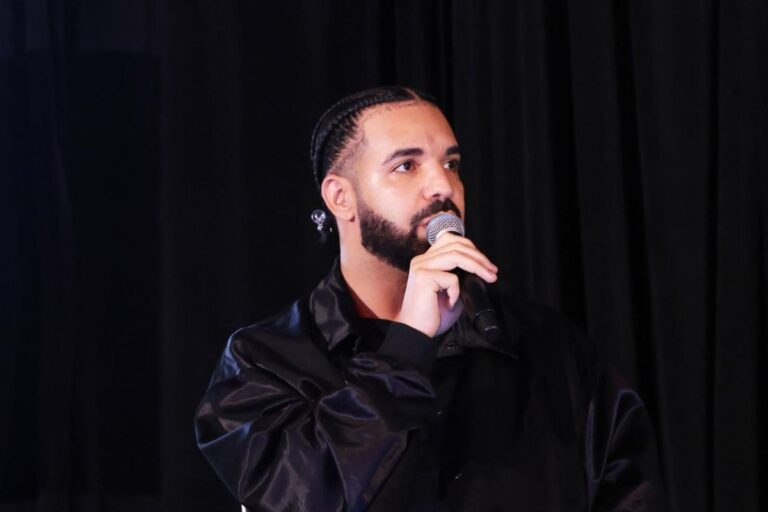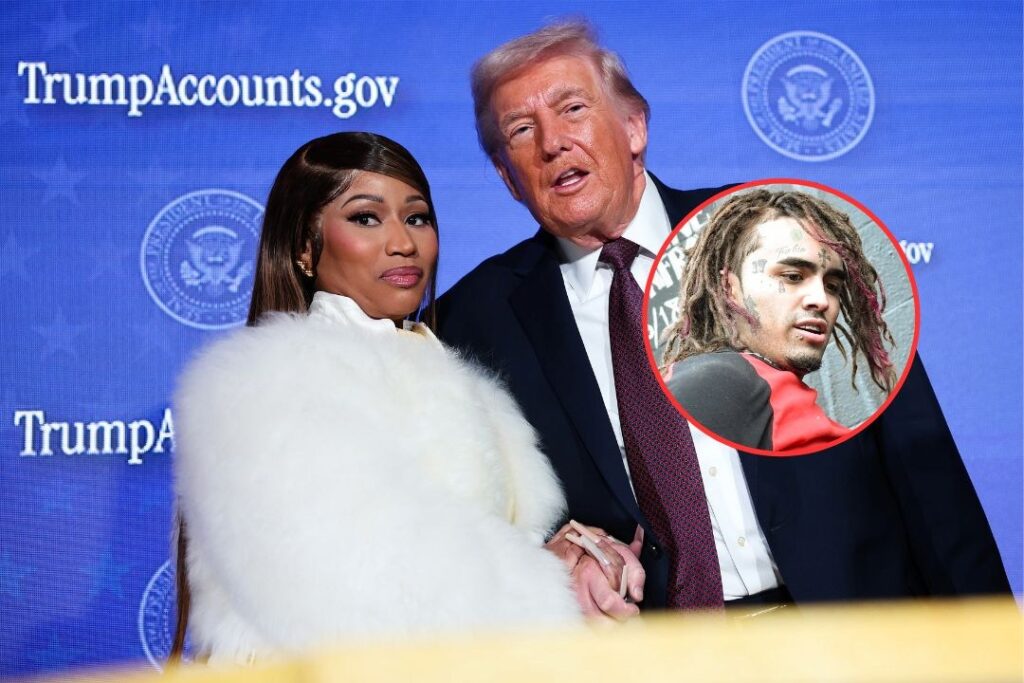
In an age where politics and culture collide in unpredictable ways, we’ve seen some surprising figures emerge from the hip-hop landscape—most notably, rappers who have thrown their support behind Donald Trump. While many in our community have consistently pushed back against the divisive policies and rhetoric of his administration, there exists a fascinating group of artists who have found common ground with the former president. This isn’t just about politics; it’s about identity, perception, and the complex dynamics of race and power in America.
When we think about hip-hop, we often picture a genre that stands tall against oppression, a voice for the marginalized. So, it raises eyebrows to see artists who, despite rising from similar struggles, align themselves with a leader who many believe does not reflect our interests. From Kanye West’s controversial proclamations to Lil Wayne’s unyielding endorsement, these artists remind us that celebrity status doesn’t equate to shared values or understanding of the systemic issues impacting our communities. Their choices can feel like a betrayal, a stark reminder that fame can distort reality and create disconnection.
Take 50 Cent, for instance, who stirred up conversations during the 2020 election with his endorsement of Trump over tax policies that he claimed would hit him hard. His decision wasn’t just about politics; it was a reflection of personal interests that often overshadow broader social implications. In many ways, his perspective is not unique. There’s a segment of hip-hop that prioritizes individual success over collective upliftment, which can lead to dissonance within our culture. It forces us to scrutinize who we elevate and why, especially when their opinions diverge from the very struggles that birthed hip-hop.
Then there’s the debate around how we reconcile artistry with political allegiance. Some argue that an artist’s political stance shouldn’t affect their music, while others maintain that political engagement is essential to the authenticity of hip-hop. We find ourselves wrestling with whether these rappers represent a shift in thinking or if they’re simply out of touch with the realities faced by the very fans who made them successful. This tension is what keeps the conversation alive in our circles, revealing just how fractured our community can be when it comes to politics.
Ultimately, these rappers remind us of the complexities of identity and choice. They embody the age-old struggle of navigating fame while remaining true to our roots. As we continue to engage with these cultural figures, it’s crucial to hold space for nuanced discussions about their impact and influence. Whether they’re steering us toward empowerment or distraction, their choices compel us to sharpen our understanding of what it means to be truly ‘for the culture.’ In this ever-evolving political landscape, let’s remember that our voices matter, and the narratives we choose to lift up today shape the stories of tomorrow.
About The Author