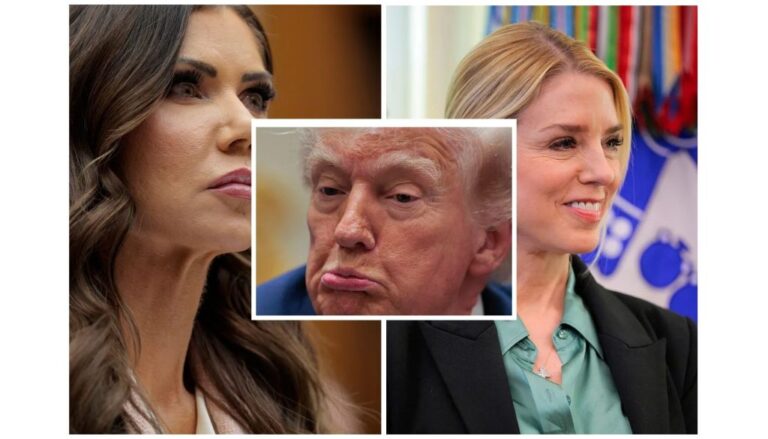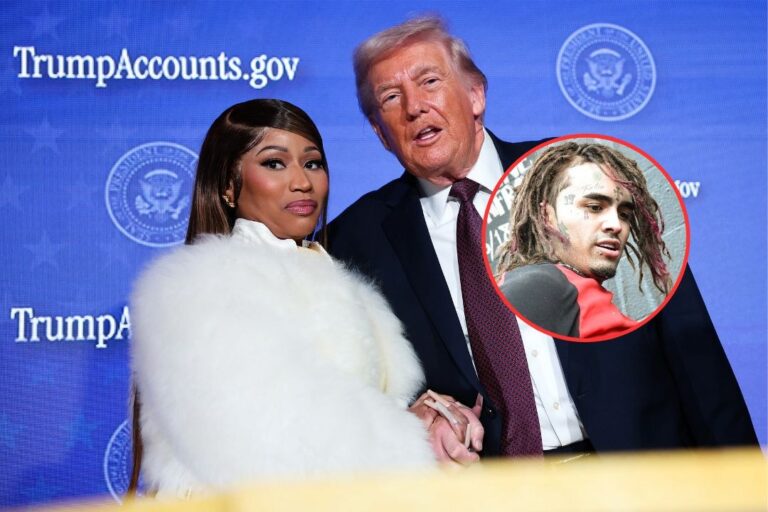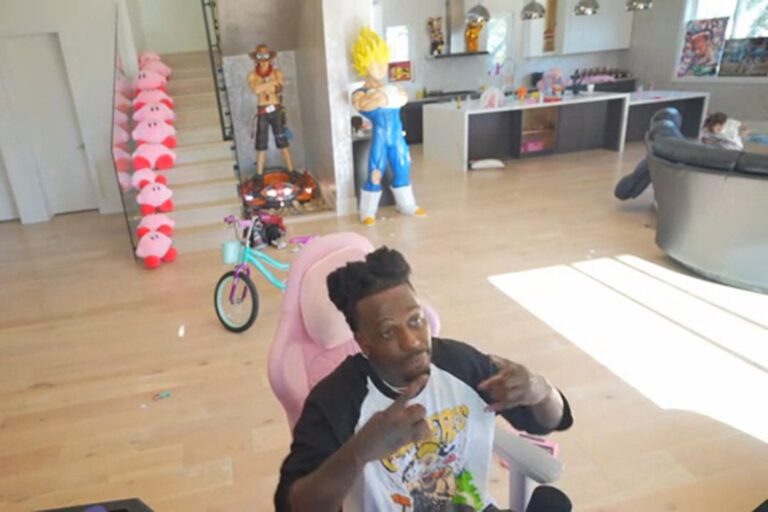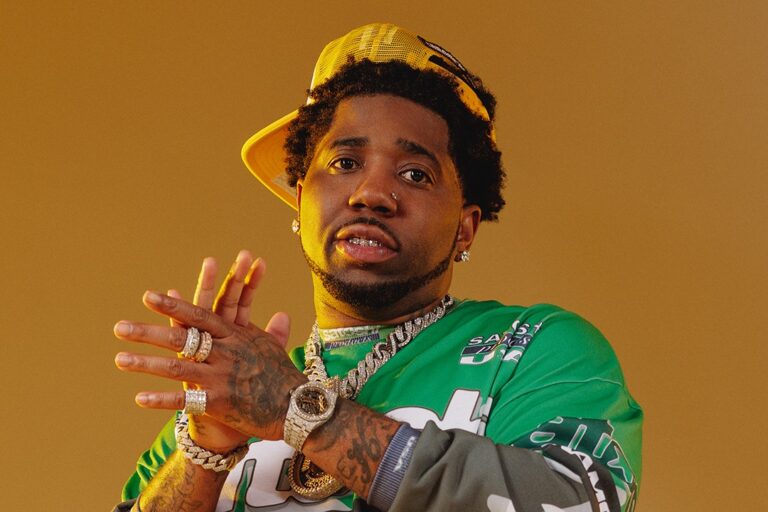
It’s a wild time we’re living in, isn’t it? The intersection of hip hop and politics has been a topic of debate for decades, but lately, we’ve seen a handful of our own taking an unexpected stance — supporting Donald Trump. For many in our community, this kind of endorsement feels like a betrayal, serving as a reminder of the complicated relationship between culture, power, and identity in America. But let’s break it down, because understanding these artists’ motivations is crucial to grasping the landscape of Black voices in America today.
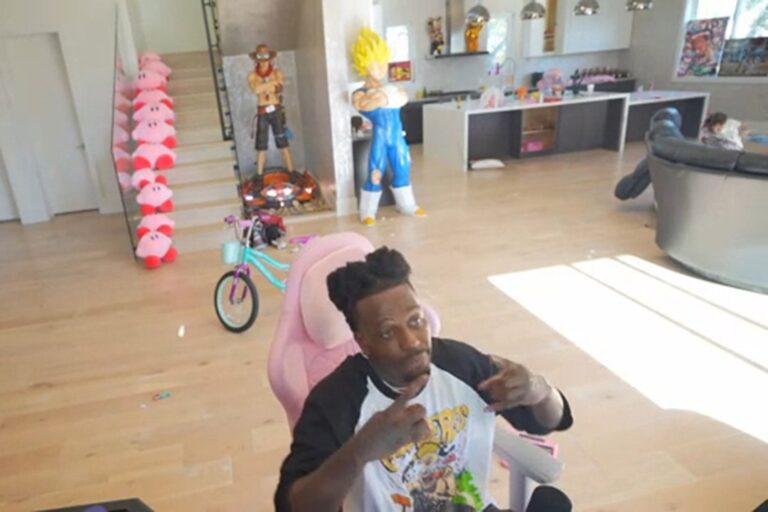
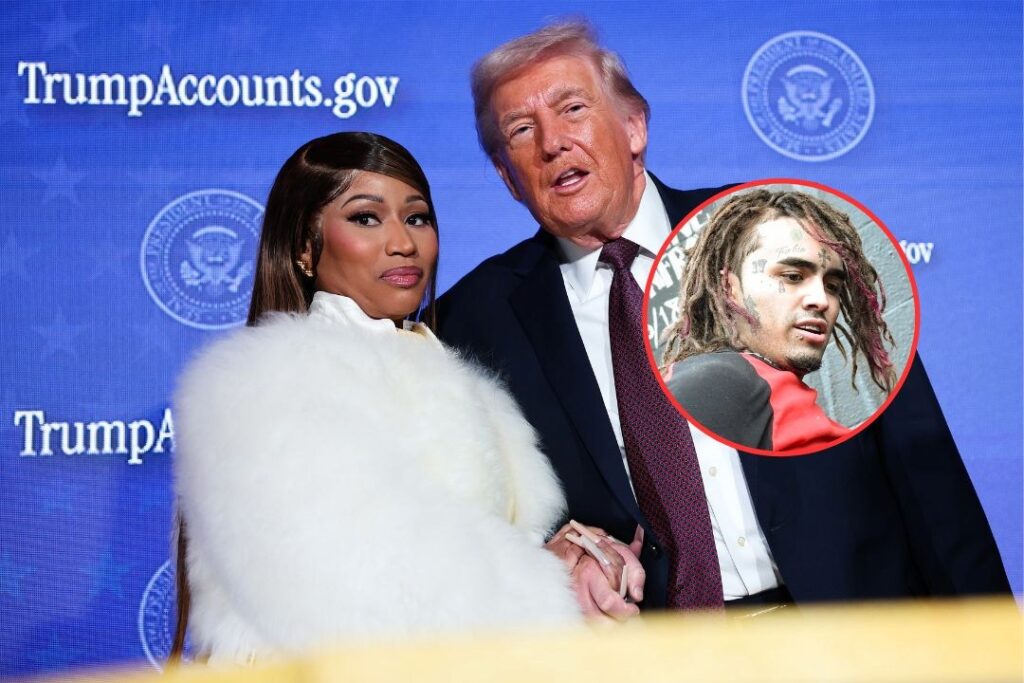
Rappers are often seen as the voice of the streets, articulating the struggles, dreams, and frustrations of our community. So, when some of them step into the political arena with Trump’s brand of conservatism, it raises eyebrows and ignites conversation. From the likes of Kanye West, who once proclaimed Trump as his “brother,” to figures like Lil Pump and even 50 Cent, these artists have found themselves in the spotlight for reasons that extend beyond their music. Their support, whether genuine or a publicity stunt, forces us to reckon with the complexities of celebrity culture and its influence on political discourse.
Let’s keep it real — hip hop emerged as a response to systemic oppression. The essence of the genre is built on a foundation of resistance, resilience, and the fight for justice. So when rappers align themselves with a figure who many in our community deem antagonistic, it feels like a step back. It’s hard not to question their motives. Are they genuinely aligned with Trump’s policies, or are they simply chasing a new level of fame, tapping into the provocative nature of his brand?
The conversation doesn’t stop here; it opens up a broader dialogue about the responsibility that comes with influence. Artists like Ice Cube have tried to navigate this tricky terrain by pushing for real conversations about issues affecting our community. Yet, we must ask: how much influence do these voices carry, and who are they really speaking for? It’s a topic that demands our attention, especially when the political climate is so charged and deeply impacting our daily lives.
At the end of the day, we need to hold our artists accountable while also recognizing their humanity. The tension between culture and politics will always exist, and our community has the power to shape it. So as we continue to engage with these narratives, let’s ensure we’re elevating voices that uplift us and challenge those that don’t. We have the agency to define what it means to be part of this culture — and that’s a conversation worth having.
About The Author