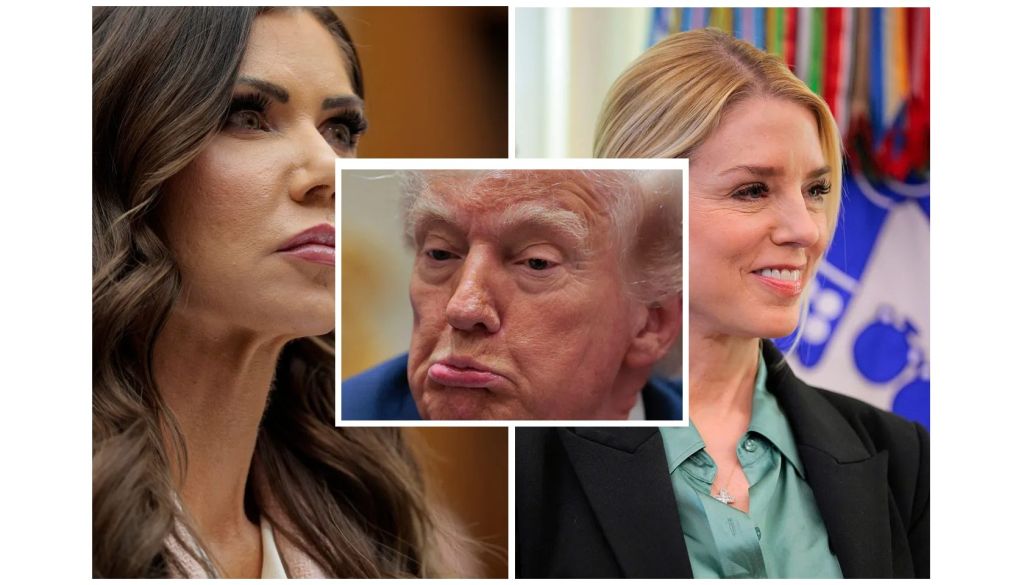
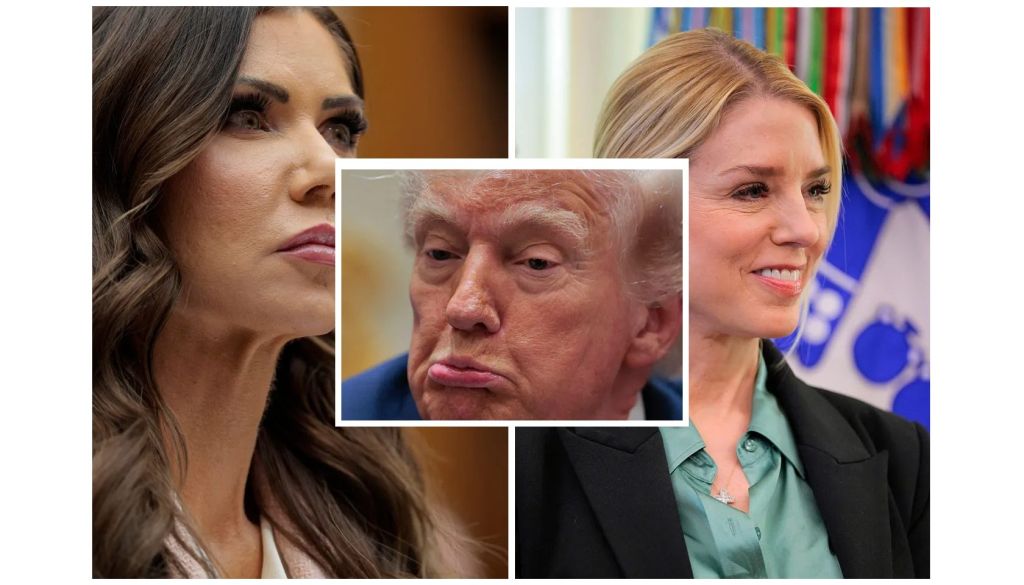
It took the firing of two white women for the mainstream media to finally wake up and recognize what Black women have been shouting from the rooftops for years: Donald Trump’s administration is steeped in misogyny. Pam Bondi and Kristi Noem, both figures aligned with the former president, faced the axe, and suddenly there’s an urgency to cover the blatant sexism that’s been woven into the fabric of his governance. Isn’t it interesting how long it took for that lesson to land, and yet here we are, still in the same old cycle of selective outrage?
Our community has always seen the patterns. We’ve watched as Black women continuously bear the burden of misogyny, often at the intersection of race and gender, only to be ignored until someone else’s feelings get hurt. We’ve been the ones pushing back against the countless disrespectful comments and policies that undermine our worth. The media’s newfound clamor about Trump’s toxic brand of masculinity feels like a late-arriving echo of what we have known all along, and it raises some serious questions about whose voices are prioritized in this conversation.
It’s almost laughable how the narrative shifts when white women are involved. The media is eager to jump on the bandwagon when they find a palatable story that fits their narrative. But what about the Black women who called out Trump’s problematic behavior years ago? We’ve been ridiculed and marginalized while the very same news outlets that now scream about misogyny turned a blind eye. Our truths, our experiences, and our pains were deemed too messy or too uncomfortable until they could be neatly packaged into a headline about white women.
This phenomenon isn’t just a byproduct of Trump’s presidency; it’s a reflection of a broader societal issue where white voices often drown out others. It’s not just about gender politics; it’s about race and whose stories matter. As Black women, we’ve learned that our truths often have to fight for visibility in a landscape that favors certain narratives. We don’t need validation from the media to know our worth, but it stings to see our lived experiences recognized only when they fit a more palatable mold.
In a world that loves to feign shock over entrenched misogyny, let’s remember that we have always been here, holding the line and calling out injustice. We must continue to lift our voices, to demand that our stories be told, and to insist that we will not be sidelined. Media outlets may wake up when it’s convenient for them, but we stand firm in our truth, unapologetic and unyielding. We’ve always known the score — it’s time for everyone else to catch up.
From The Source
About The Author