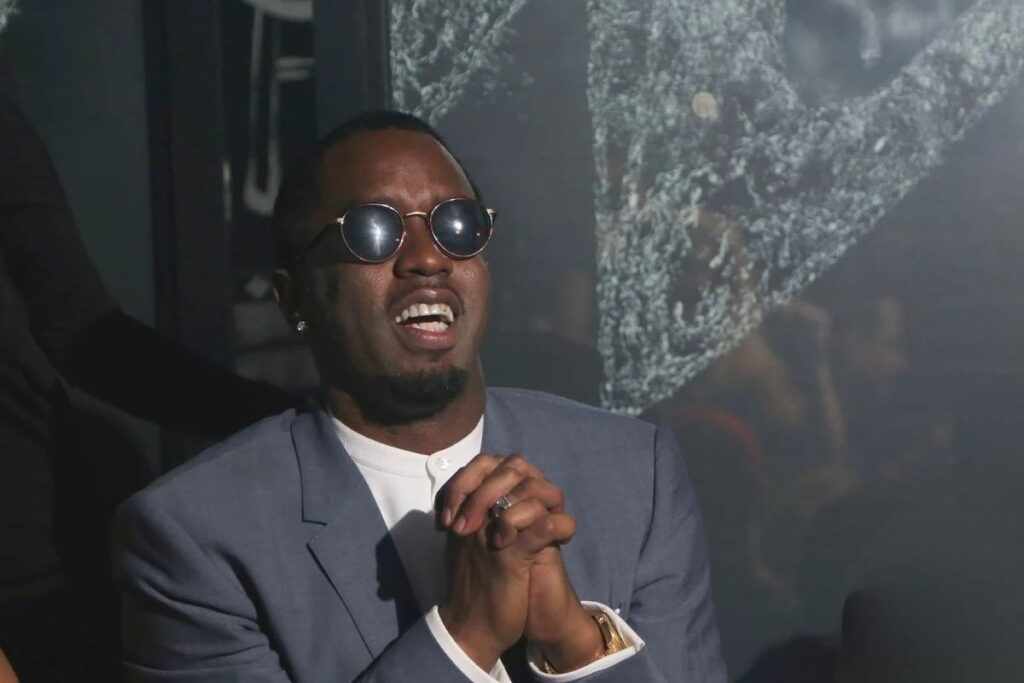
When you hear the name Diddy, it conjures up a whirlwind of images. The mogul, the music icon, the man who transformed hip hop and R&B into a global empire. But now, he’s at the center of a legal storm that raises a question we all ought to scrutinize: What constitutes art, and what crosses the line into the realm of crime? His team is arguing that his so-called ‘freak offs’—those wild and provocative audio recordings—should be protected under the First Amendment, and it’s a battle we need to unpack.
Diddy’s legal representatives claim that these recordings are not just voyeuristic glimpses into his extravagant lifestyle or controversial encounters; they assert that they are artistic expressions. This isn’t just about Diddy, either. This case poses a challenge to the boundaries between creativity and legality in our world, especially for Black artists who have often walked a tightrope between cultural expression and societal judgment. The implications here stretch far beyond one celebrity’s freedom; they touch on the rights of all of us to express our truths without the looming threat of criminal repercussions.
As we reflect on this, we need to recognize how the legal system frequently targets Black voices, often dismissing our art as mere salaciousness rather than the deep cultural dialogues they can represent. Diddy’s defense is suggesting that these recordings, with their provocative narratives, are legitimate forms of artistic exploration. After all, isn’t hip hop born from the very act of pushing boundaries? The idea that we can be both creators and subjects of scrutiny is a reality for many Black artists, and it’s a conversation that demands our attention.
While Diddy’s reputation might stir up mixed feelings, his case is a reminder of the precarious balance between freedom of expression and societal norms. Are we ready to defend the right to be bold and unapologetic artists, or will we allow the courts to dictate what’s acceptable? If we fail to rally behind this notion, we risk letting art become sanitized, stripped of the rawness that makes it relatable and real.
As this fight unfolds, let’s pay close attention. It’s not just Diddy on trial; it’s a reflection of how we perceive art and its role in our lives. We need to ask ourselves: How far are we willing to go to protect the voices that push culture forward? This isn’t just about one man; it’s about what we stand for as a community, as creators, and as a culture. The outcome might just redefine the artistic landscape for years to come.
About The Author