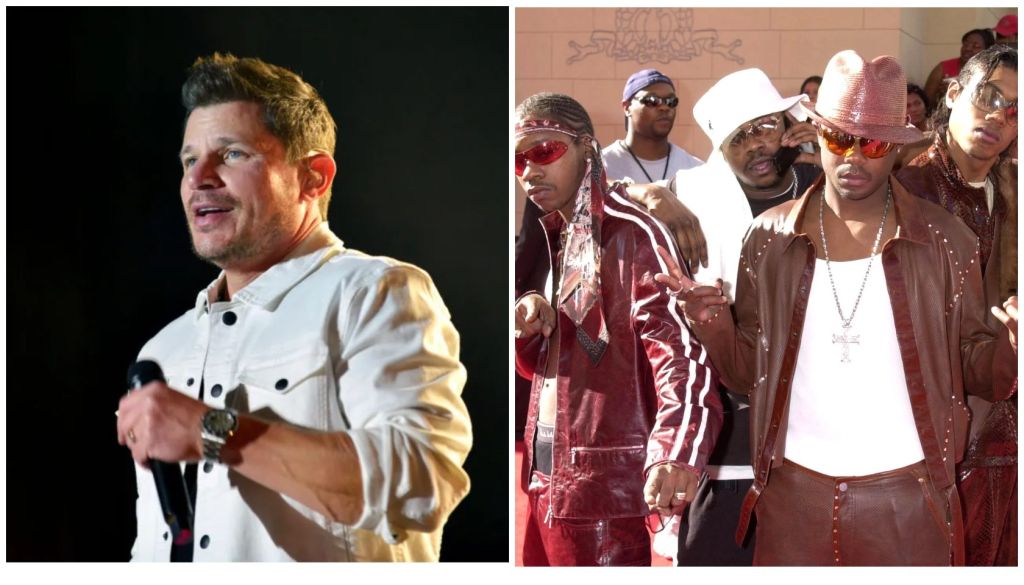
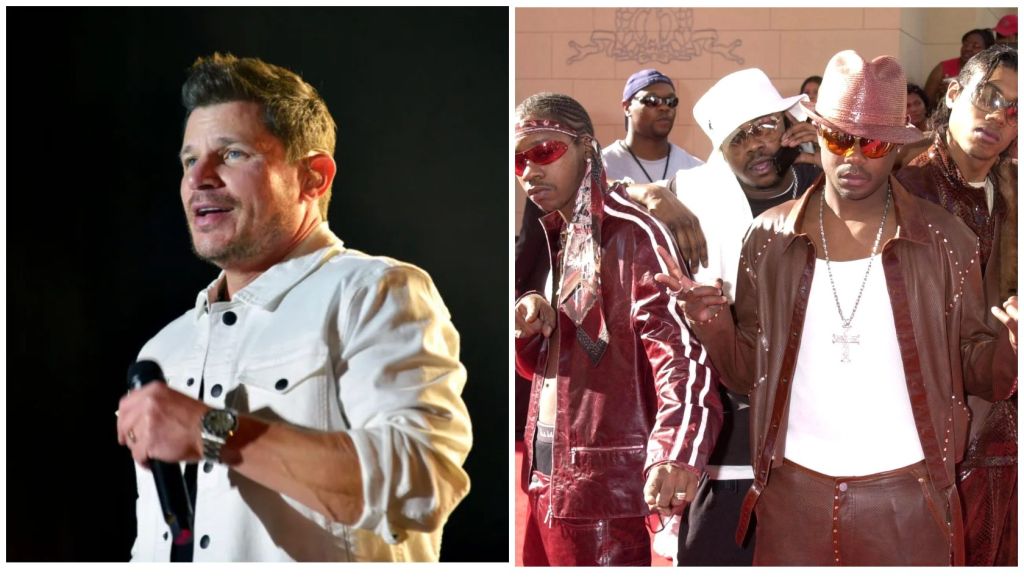
When you think of boy bands, the names that usually pop up are the heavy hitters like NSYNC or Backstreet Boys. But now, Nick Lachey is shining a light on the struggles of his own group, 98 Degrees, and it’s a tale that’s equal parts surprising and troubling. It turns out, the pressures from Motown had the group feeling like they were stuck in a box, expected to morph into a ‘white Jodeci.’ That’s right; our beloved R&B legends weren’t just setting trends, they were defining a sound that some thought could be replicated with a little bleach and a marketing strategy.
Lachey revealed that the label wanted them to abandon their authentic identity, pushing them to chase a formula that had clearly worked for Jodeci, the kings of the ’90s R&B scene. Motown had this wild idea that they could take the essence of a group that moved people with their grit and passion and slap a lighter shade on it. Can we just pause? This is where the industry’s unhealthy obsession with racial dynamics comes into play. It’s not just about music; it’s about identity, authenticity, and the mental health toll that can come from trying to fit into someone else’s mold.
Imagine being told that you need to change who you are to fit a narrative that isn’t yours, all while struggling to maintain your self-worth in an industry that often reduces us to mere marketable images. Lachey’s admission shines a spotlight on a pattern that’s not just a footnote in pop history; it’s a narrative that we see played out time and again across genres. The pressure to conform can lead to serious mental health struggles, which is something we need to take seriously within our community.
This isn’t just a story about a boy band; it’s about the broader implications of what happens when cultural identities are commodified for profit. It raises questions about how often we’ve seen groups of all backgrounds struggle under the weight of expectation, forced to abandon their roots for a shot at mainstream success. Just like we’ve supported our artists in their authentic expressions, we must also advocate for a space where they can be true to themselves without the suffocating pressure of becoming something they’re not.
So here’s the real takeaway: let’s celebrate the originality of artists rather than trying to fit them into boxes that serve a corporate agenda. Lachey’s experience is a reminder that creative expression should be about authenticity, not imitation. Let’s uplift the unique sounds that come from our community and remember that it’s our differences that make the music richer, the stories deeper, and the culture more vibrant. As we groove through life, let’s not forget to embrace who we are—flaws, quirks, and all.
From The Source
About The Author