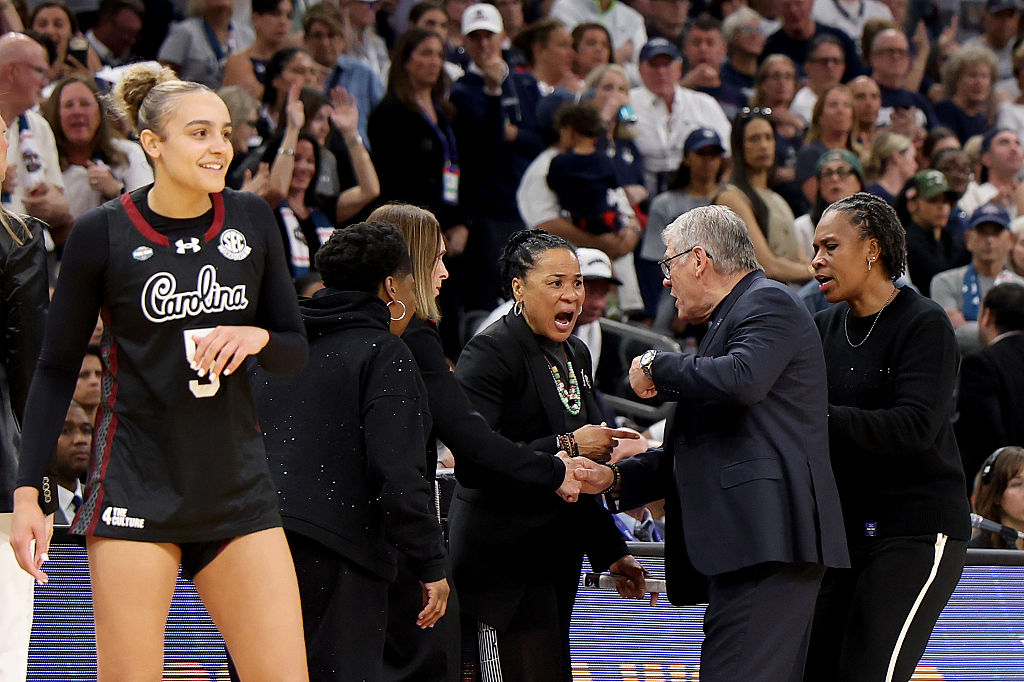
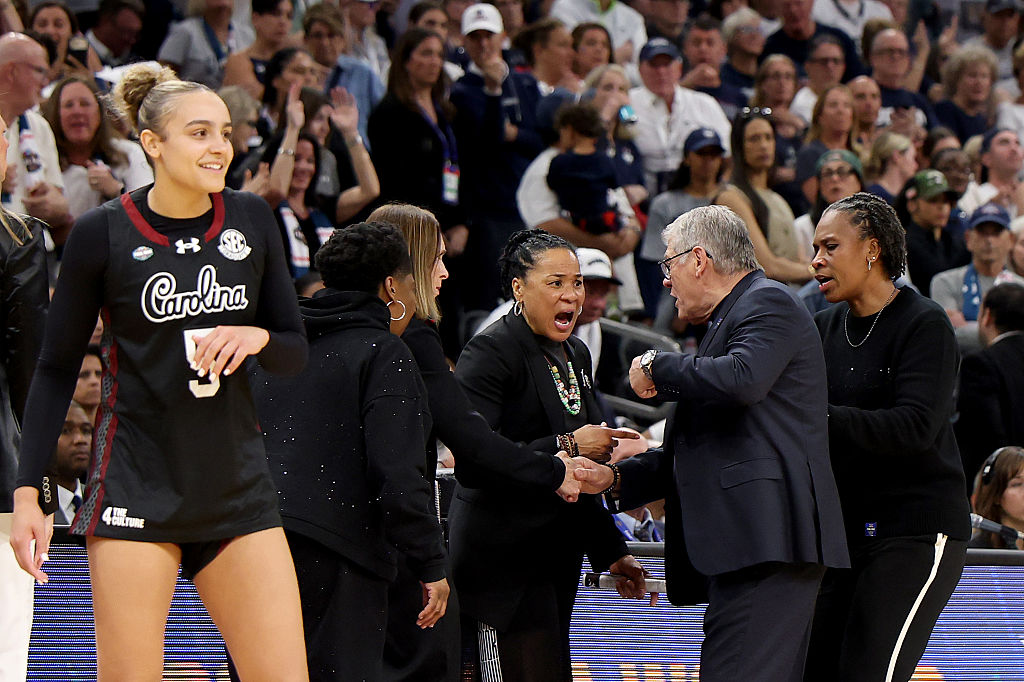
When we saw Dawn Staley stand up for herself against Geno Auriemma’s dismissive remarks, it resonated deeply. In that heated moment, it wasn’t just about basketball; it was about the countless times Black women have been pushed to the margins in their professional lives, often for simply daring to take up space or voice their opinions. Auriemma’s condescending tone was all too familiar, a stark reminder of the patronizing dynamics that persist in workplaces, especially in sports where the stakes are high and the spotlight is unforgiving.
Staley’s response was not just a defense of her competitive spirit but a powerful assertion of her identity. It’s a vibe we can all relate to; too frequently, we see our perspectives and accomplishments undermined by those who think they can dictate our narratives. In a world where Black women often have to fight to be seen and heard, Staley’s fiery comeback was a breath of fresh air. She wasn’t just defending a title; she was reclaiming her narrative in a space where she and so many others have been relegated to the background.
The reality is, this isn’t just about one isolated incident between two coaches. It speaks to a broader cultural issue where authority figures, often white men, feel entitled to belittle those who don’t fit their mold of excellence. It’s that subtle but pervasive disrespect that chips away at our self-esteem and reinforces the idea that our contributions are less valuable. The backlash against Staley showed us just how deep-rooted this disrespect runs, and how quickly it can mobilize to silence those who dare to challenge the status quo.
Let’s be real: when Staley said she would “beat Geno’s ass,” it wasn’t just a throwaway line. It encapsulated the frustration many of us feel daily in our workplaces. We’re tired of being underestimated, tired of having our expertise questioned simply because we refuse to conform to outdated expectations. Staley’s words echoed on social media, striking chords in our community, many of whom shared their own stories of fighting against similar disrespect from colleagues or superiors. It was a moment that brought us together, reminding us that when one of us stands up, we all stand a little taller.
In the end, this incident is a wake-up call. It shows that we can no longer allow disrespect to go unchecked. Staley’s fierce spirit isn’t just for the court; it’s a rallying cry for all of us. We must continue to elevate our voices and stand our ground, refusing to let anyone dictate our worth. We are not just players in this game; we’re here to win, and the only way to do that is to refuse to back down in the face of disrespect.
From The Source
About The Author