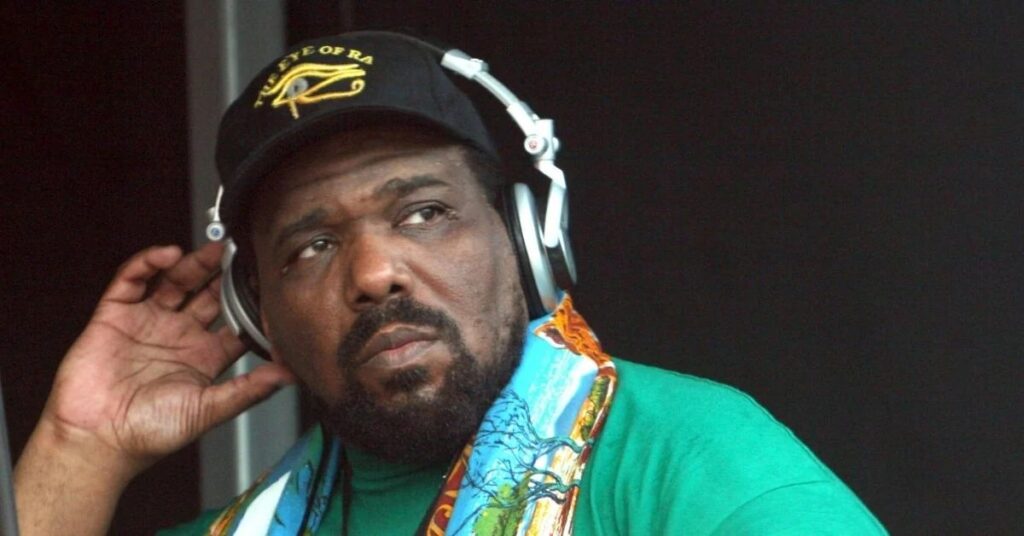
We’re waking up to a heavy reality today. Afrika Bambaataa, one of the true architects of hip-hop, has passed away at the age of 67. His impact on our culture is undeniable; he didn’t just create music, he built a movement that resonated across generations and continents. Yet, as we reflect on his life, we’re also faced with the complexities of his legacy, a legacy that includes both groundbreaking contributions and significant controversy.
Bambaataa was not just the founder of the Universal Zulu Nation; he was a visionary who introduced the world to the idea that hip-hop was more than just beats and rhymes—it was a way of life, a philosophy that encouraged unity and empowerment among disenfranchised communities. Tracks like “Planet Rock” didn’t just elevate the sound of hip-hop; they fused genres, broke down barriers, and opened doors for countless artists. His innovative spirit paved the way for countless voices in the genre, making hip-hop a global phenomenon.
However, we can’t ignore the shadows that loomed over his legacy. Allegations of sexual abuse and misconduct have haunted Bambaataa for years, casting a pall over the celebration of his contributions. For many in our community, this duality creates a painful tension. We’re proud of our history, yet we must confront its darker corners. It’s a reminder that our icons, like all of us, are imperfect. The challenge lies in honoring the transformative power of their work while grappling with their personal failings.
As news of Bambaataa’s passing spreads, conversations are already igniting. We find ourselves at a crossroads, reflecting not only on the man but on the movement he helped create. What does it mean to honor someone who has shaped our culture in profound ways while also acknowledging the harm they may have caused? This is a conversation we need to have, one that encourages healing and accountability within our community.
In the end, Afrika Bambaataa leaves behind a complex legacy that mirrors the very essence of hip-hop itself—vibrant, revolutionary, and fraught with contradictions. His life reminds us that our culture is a tapestry woven from both celebration and pain, innovation and introspection. As we mourn his passing, let’s also celebrate the music, the message, and the movement he inspired, while committing ourselves to ensure that our future is built on the lessons learned from our past.
About The Author