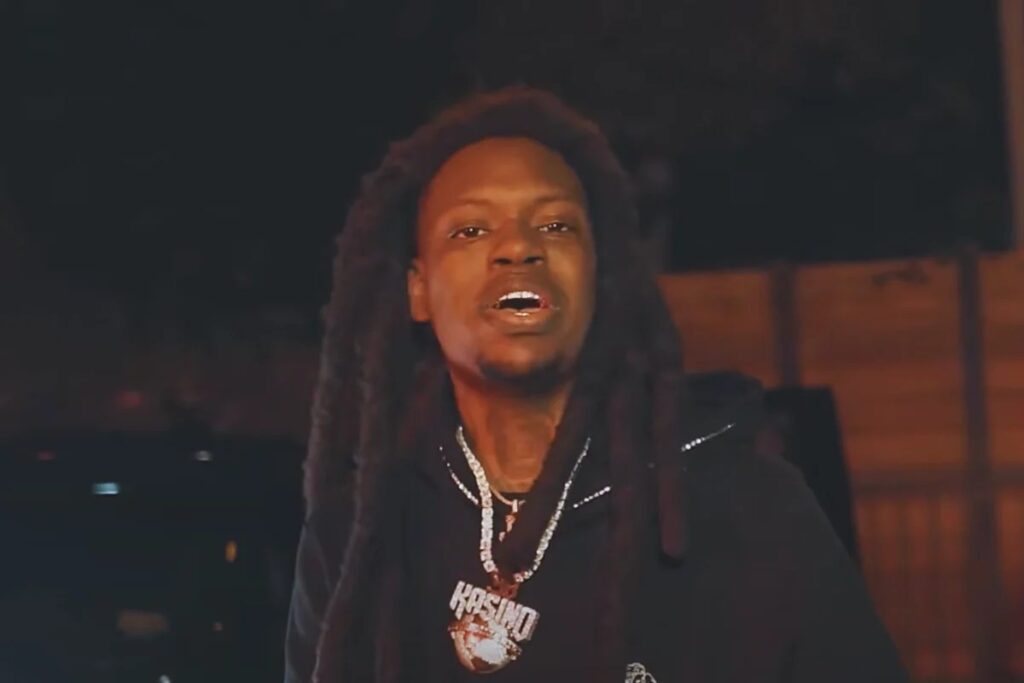
As we brace ourselves for the start of jury selection in the murder trial of Jacksonville rapper Julio Foolio, it’s hard not to feel a mix of sorrow and anger. This case, with its roots tangled in the streets and the music that defines our culture, is a stark reminder of the violence that plagues too many lives in our community. Four men are facing charges, with the prosecutors seeking the death penalty, making this a high-stakes moment for everyone involved.
Julio Foolio, known for his raw lyrics and the way he captured the struggles and triumphs of life in Jacksonville, was more than just a name on a playlist. He represented the voices of many who feel unheard. His story was still being written when tragedy struck, leaving behind a grieving family and a community searching for answers. The fact that we’re now watching a trial unfold, with the potential for a death sentence looming, reveals the harsh reality of what happens when beefs spill over into fatal consequences.
This isn’t just about one rapper’s life lost; it’s about the cycle of violence that continues to affect our neighborhoods. We know that the streets can be unforgiving. We understand the pain that drives young men to make choices that can end in devastation. Yet, watching four individuals stand trial for a crime that took Julio’s life feels like a double-edged sword. On one side, there’s the search for justice, but on the other, we’re reminded of the futility of violence that has plagued our communities for decades.
As the trial progresses, we can’t help but think about the implications of a potential death penalty. What does that really mean for our community? Will it bring closure or just add another layer of grief? The conversation needs to extend beyond the courtroom and into our homes, where we can discuss not just the loss of a promising artist but also the impact of systemic issues that lead to such catastrophic outcomes. We are at a crossroads, and how we choose to engage with these issues matters more than ever.
In the end, Julio Foolio’s story serves as a cautionary tale for all of us. We need to reflect on the narratives we share in our music and the lives we lead in our communities. As we watch this trial unfold, let it be a moment of reckoning—a call to action. We can do better, we must do better. The legacy of our artists and the future of our youth depend on it.
About The Author