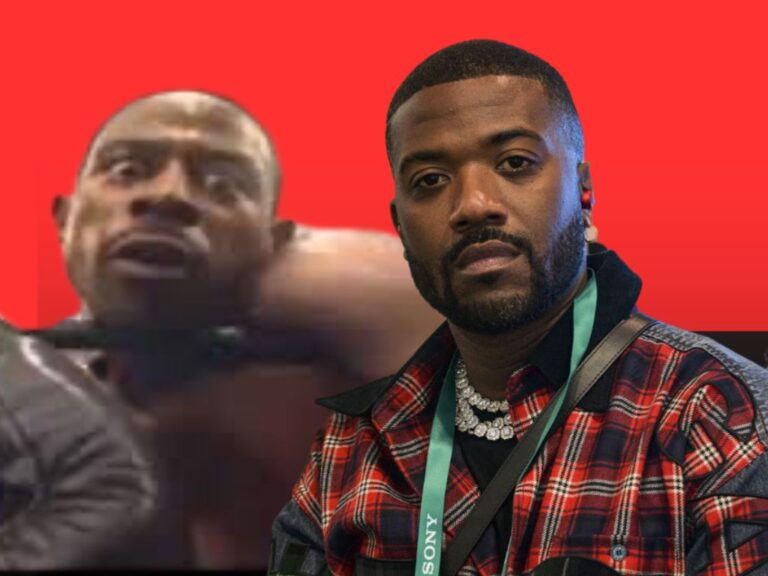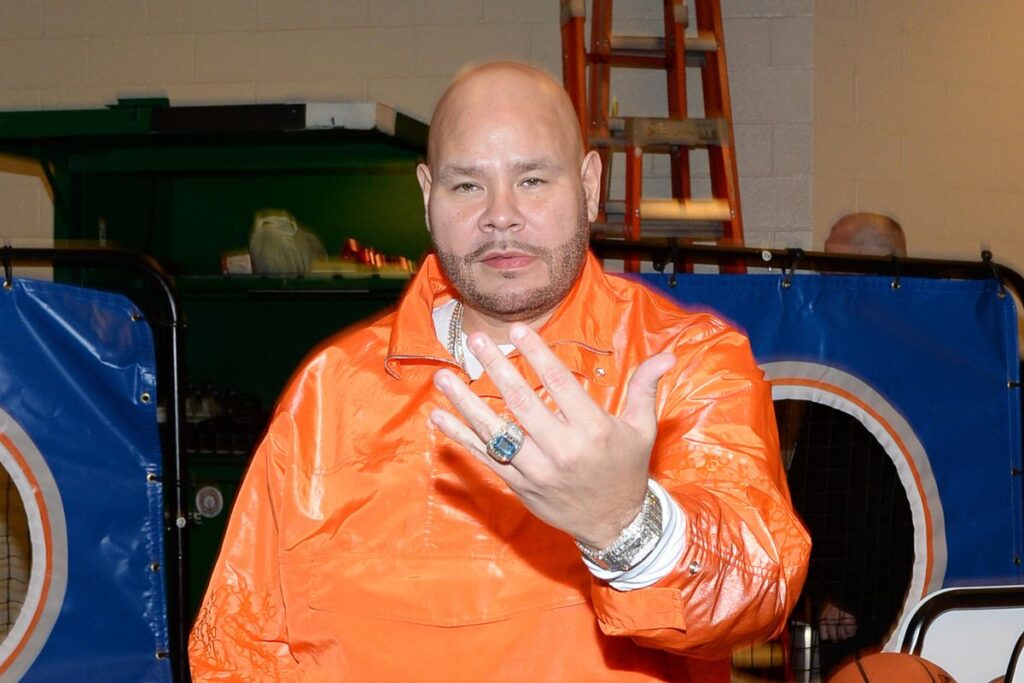
In a shocking turn of events in the ongoing legal battle between Fat Joe and his former hypeman Tyone Blackburn, new revelations have emerged surrounding Blackburn’s erratic behavior during his recent deposition. Reports indicate that Blackburn’s attorney has attributed his wild and unpredictable responses to the influence of prescription painkillers. This unexpected twist adds another layer of drama to a feud that has already captivated the hip-hop community, raising questions about personal struggles and the pressures faced by those in the industry.
Blackburn, who gained fame as Fat Joe’s energetic sidekick, has found himself in a contentious legal dispute that has revealed not only the complexities of their professional relationship but also the darker aspects of life in the spotlight. During the deposition, witnesses reported that Blackburn exhibited behavior that was not only uncharacteristic but also alarming, leading to concerns about his mental and physical state. The assertion that prescription medications played a role in his conduct paints a picture of a man grappling with more than just the fallout of his legal battles; it suggests a deeper struggle that many can relate to, shedding light on the often-hidden challenges artists face as they navigate fame and fortune.
The hip-hop scene is no stranger to stories of addiction and mental health issues, and Blackburn’s circumstances serve as a poignant reminder of how the pressures to perform and maintain an image can take a toll on even the most vibrant personalities. Fat Joe, a seasoned veteran of the industry, has also dealt with his share of personal challenges, and this ongoing dispute raises questions about the support systems—or lack thereof—available to those in the limelight. As fans and observers watch this legal saga unfold, it’s essential to consider the human element behind the headlines.
As the deposition drama continues, the implications of Blackburn’s situation extend beyond his personal battle with addiction; they touch on the broader conversation about mental health within the music community. The hip-hop industry has seen a growing emphasis on the importance of open dialogue regarding mental well-being, and Blackburn’s revelations may serve as a catalyst for further discussions. The intersection of fame, pressure, and mental health is a complex one, and it’s crucial that we acknowledge and support those who struggle with these issues.
The legal proceedings are far from over, and the developments surrounding Blackburn’s behavior will undoubtedly play a significant role in the outcome of the case. This narrative of pain, resilience, and the quest for understanding is one that resonates deeply within our culture. As we witness the evolution of this story, we cannot forget that behind every headline is a human being navigating the highs and lows of their reality.
About The Author