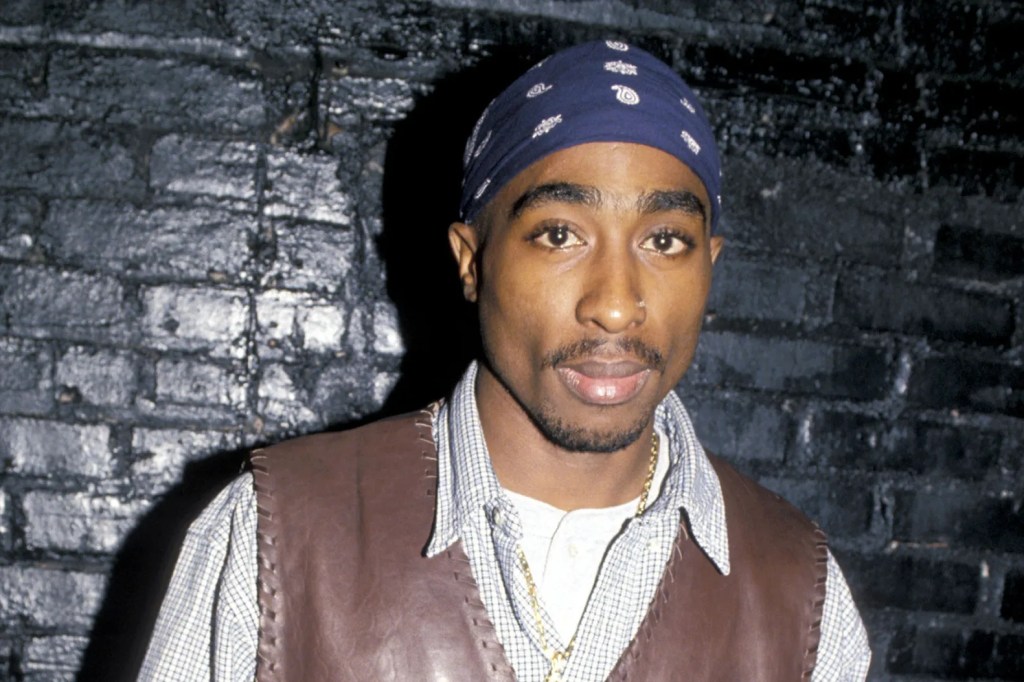
In a significant cultural shift, the Maryland legislature has taken bold steps towards protecting the integrity of artistic expression, particularly in the realm of hip-hop. A newly signed act now places strict limits on the use of rap lyrics as evidence in court, a practice that has long stoked controversy and raised ethical questions. For years, prosecutors have used the art form as a blueprint for criminal intent, distorting the creative essence of lyricism into something sinister. With this new legislation, Maryland is sending a powerful message: art is not a crime.
The implications of this act are profound for artists who have often found their words misconstrued and weaponized against them in courtrooms. In many instances, lyrics that reflect personal experiences, societal injustices, or even storytelling have been twisted into admissions of guilt. This reductive approach not only undermines the artistic process but also perpetuates harmful stereotypes about hip-hop culture. By establishing clear boundaries around this practice, Maryland is finally acknowledging the complexity and nuance of the narratives that hip-hop artists weave.
This legislative move also echoes a growing sentiment within the music industry and beyond, where artists are demanding respect for their craft. Figures like JAY-Z and Meek Mill have been vocal about the detrimental effects of using rap lyrics against artists, highlighting the need for legal reform. With Maryland setting a precedent, other states may soon follow suit, creating a ripple effect that could reshape how the legal system interacts with art. It’s a pivotal moment for hip-hop, a chance to reclaim the narrative and reinforce the notion that creativity should not be criminalized.
As the movement to protect artistic freedom gains momentum, it also challenges society to reconsider how we perceive and engage with hip-hop culture. This new law is not just about safeguarding artists; it’s about recognizing the value of storytelling and the importance of context. In an era where every tweet, lyric, and post is scrutinized, this legislation serves as a reminder that art often reflects life in ways that can be misunderstood. Maryland is leading the charge, turning the tide in favor of artistic integrity and paving the way for a future where creativity flourishes without the threat of prosecution.
About The Author