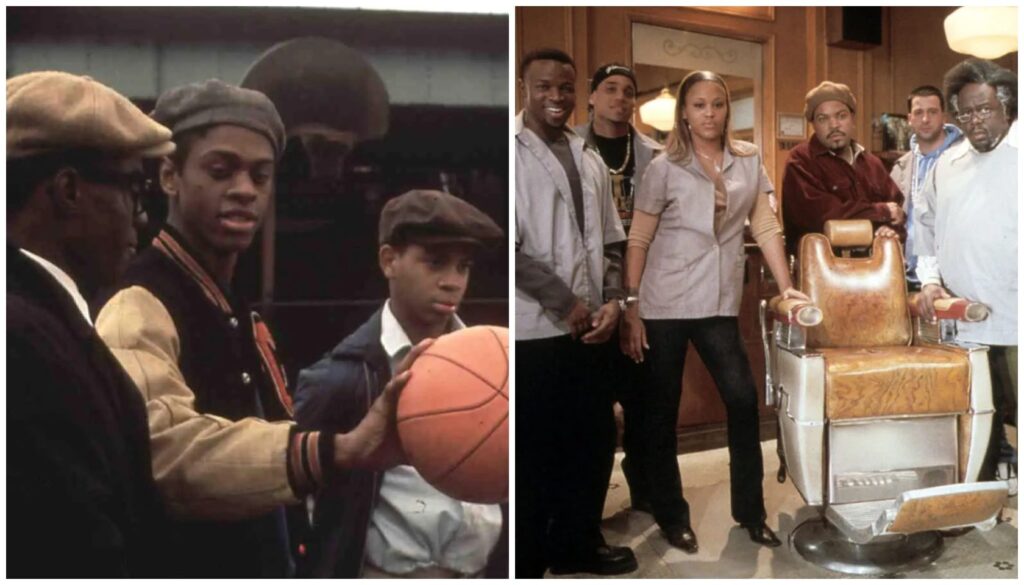
Chicago, a city known for its vibrant culture, rich history, and diverse communities, has served as a backdrop for countless Hollywood films. However, it’s the Black stories that truly encapsulate the city’s essence, showcasing its struggles, resilience, and soul. From the riveting tales of the South Side to the lively streets of Hyde Park, these films not only entertain but also educate viewers on the unique experiences of Black Chicagoans. Let’s dive into the cinematic gems that capture the heartbeat of this iconic city.
One of the most profound elements of Chicago’s Black cinema is its deeply rooted connection to the community. Films like ‘Chi-Raq’ by Spike Lee use the city’s neighborhoods as more than just a setting; they become characters in their own right, reflecting the complexities and dynamics of urban life. With its striking visuals and poignant storytelling, the film addresses pressing social issues while honoring the community’s strength and artistry. This is a hallmark of Black cinema in Chicago, where filmmakers strive to uplift and give voice to their narratives amid adversity.
In a different vein, ‘Soul Food’ serves as a celebration of family and tradition, showcasing the significance of Black culture and cuisine in Chicago. It’s a film that resonates with many who have gathered around the dinner table, sharing stories and forging bonds. The city’s culinary landscape, from soul food joints to high-end restaurants, plays a crucial role in shaping these narratives and creates a warm sense of belonging that is so integral to Chicago’s identity.
Moreover, films like ‘Barbershop’ and ‘Love Jones’ cleverly intertwine humor, romance, and the realities of everyday life in Chicago. These narratives, while entertaining, depict the authentic friendships and relationships that thrive within the city. They reflect a sense of camaraderie that feels palpable, allowing audiences to connect with the characters on a personal level. As viewers journey through the streets of Chicago in these films, they are reminded of the city’s lively spirit and undying hope.
Ultimately, the power of these films lies in their ability to reflect the soul of Chicago. They capture the essence of a city that has faced immense challenges yet continues to rise with a rich cultural tapestry. As we celebrate these cinematic contributions, we acknowledge not just the filmmakers but the entire community that inspires and supports these stories. Chicago’s Black cinema tells a narrative of resilience, hope, and love, resonating well beyond its borders and inviting all to appreciate the beauty of the Windy City.
About The Author