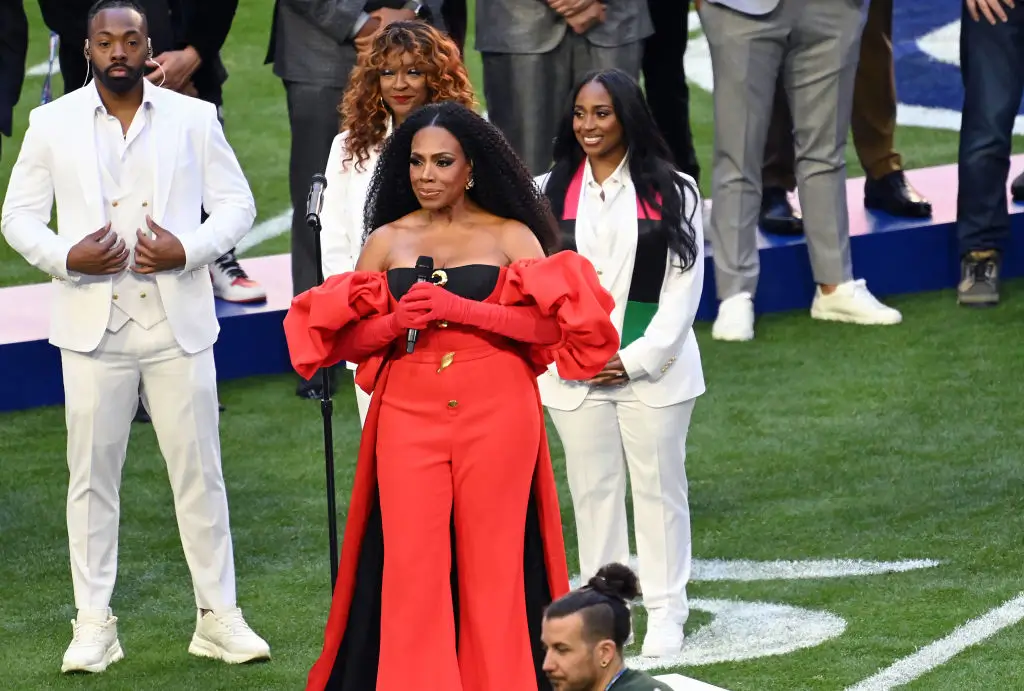
The NFL is not backing down from its decision to feature the Black national anthem, “Lift Every Voice and Sing,” before the Super Bowl, and this has sent shockwaves through the league’s more conservative fanbase. With tensions around social justice and representation still simmering, the announcement has ignited calls for a boycott from supporters of former President Donald Trump. They argue that the inclusion of the anthem is divisive and undermines the traditional experiences surrounding America’s most-watched sporting event.
This isn’t the first time that the NFL has found itself at the center of a culture war, especially since players began to kneel during the national anthem in protest against racial injustice. However, this move to embrace the Black national anthem is an acknowledgment of the fight for equality that resonates deeply within the Black community. It aims to uplift the voices and experiences that have often been marginalized in mainstream conversations. Yet, for some, particularly those who vehemently support Trump, this step feels like a rejection of their own values and a direct challenge to their notion of patriotism.
As calls for a boycott gain traction on social media, it’s essential to consider what this backlash signifies in the broader context of American society. The intersection of sports, politics, and race has long been contentious, but it’s more than just a disagreement over an anthem. It highlights the ongoing struggle between those who wish to acknowledge and rectify historical injustices and those who prefer to maintain the status quo. This conflict is mirrored in everyday life, where conversations about race and equity often devolve into partisan disputes.
The NFL’s decision to include the Black national anthem is a bold move that aligns with a growing recognition of the cultural significance of Black voices in America. While some may view this as an affront to traditional American values, it is, in reality, a step toward inclusivity and understanding. As we approach the Super Bowl, the discourse surrounding this event may very well set the tone for how we engage with issues of race and representation in sports and beyond.
So, as fans gear up for the big game, it’s worth pondering: will the Super Bowl be a catalyst for greater dialogue around race, or will it remain a divisive flashpoint? Either way, this year’s event will undoubtedly be one for the history books, not just for the plays on the field but for the conversations it sparks off of it.
About The Author