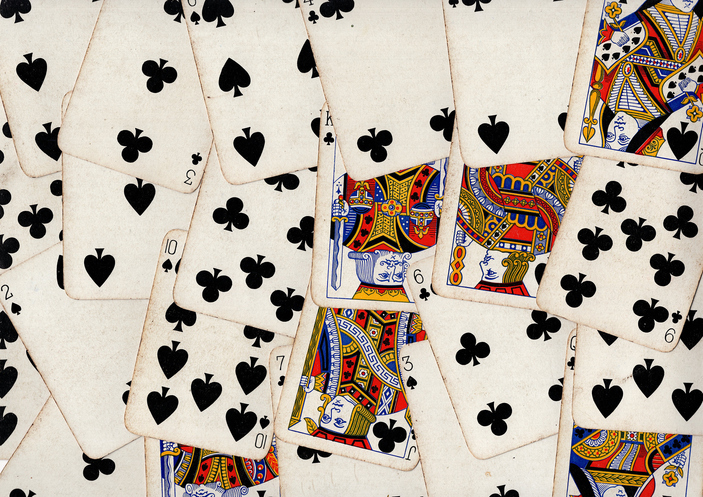
The recent suggestion to name a potential NBA team in Las Vegas “Spades” has ignited a firestorm of conversation, and for good reason. In the Black community, spades represent a deeply rooted game, steeped in tradition and camaraderie, but the name’s connection to a racial slur reminds us of the darker aspects of our history. When we allow names like this to be thrown around casually in a sports context, it trivializes the struggles and victories that have shaped the Black experience in America. It’s not just about basketball; it’s about respect for our culture and the stories we carry.
Las Vegas has become a melting pot of cultures, and while the city is known for its glitz and glamour, it’s important to remember that history casts long shadows over contemporary discussions. The thought of naming a team “Spades” evokes images and memories that many would prefer to forget, but that’s not how history works. We can’t just erase the layers that have built up over centuries; we must confront them. The suggestion may come from a place of humor or connection, but it’s fraught with implications that deserve more than a passing glance.
The backlash against this proposal is indicative of a larger trend where corporate interests and entertainment often overlook the sentiments of the communities they represent. It’s no secret that sports, particularly basketball, is a space where Black culture thrives. Yet, when the industry fails to recognize the weight of names and symbols, it risks alienating the very demographic that has enriched the game. The Black community has pushed back against the commodification of our culture, especially when that commodification comes at the expense of our dignity and legacy.
Ultimately, the conversations surrounding the naming of an NBA team in Las Vegas should serve as a reminder of our collective responsibility to celebrate, uplift, and honor our history. Names matter, as do the stories we tell through them. If the goal is to create a team that resonates with the diverse population of Las Vegas, then let’s consider names that reflect unity, resilience, and pride rather than ones that echo pain and division. As we navigate these discussions, may we strive to ensure that our cultural touchstones are revered rather than exploited.
About The Author