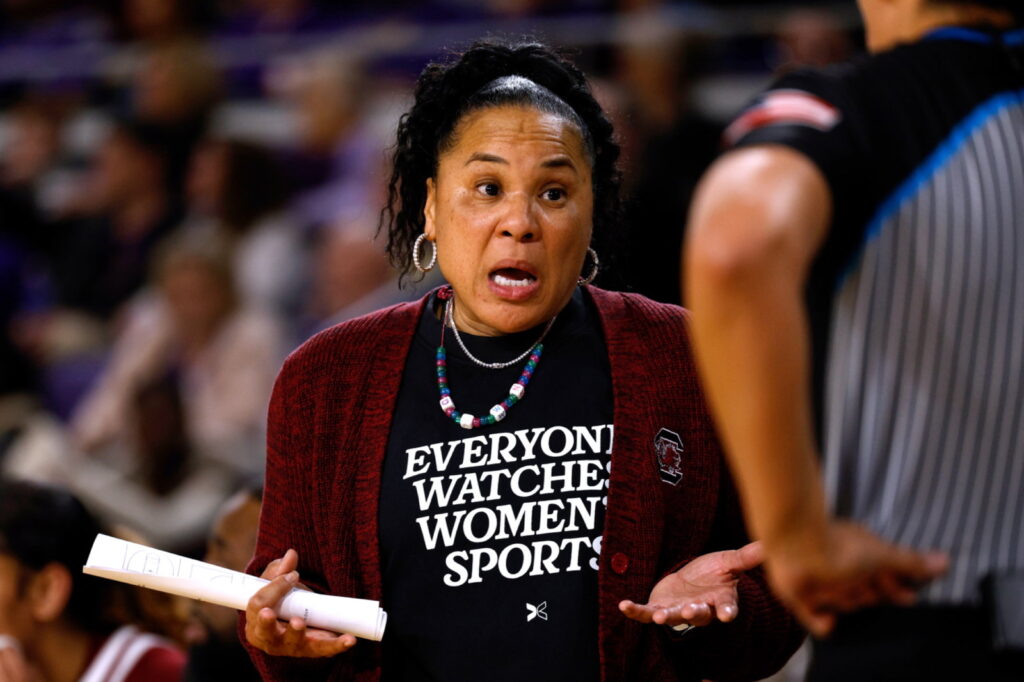
In a heated moment following the NCAA Women’s Basketball Championship earlier this year, tempers flared as Geno Auriemma found himself at the center of controversy after his University of Connecticut Huskies fell to Coach Dawn Staley’s South Carolina Gamecocks. The loss was a crushing blow, not only because it marked the end of UConn’s undefeated season, but also because it showcased the fierce competition and deep-seated rivalries that define college basketball. Auriemma’s post-game actions, particularly his intense confrontation with Staley, raised eyebrows and sparked conversations about sportsmanship in a game that has grown ever more competitive.
While Auriemma did express regret about the incident, his apologies seemed somewhat indirect. He acknowledged the heated emotions that come with high-stakes games but stopped short of providing a full-throated acknowledgment of the impact of his actions on Staley. Instead, he merely pointed out how the stakes of the game can lead to miscommunications and misinterpretations in the heat of the moment. This somewhat muted apology left many wondering if he truly grasped the implications of running up on a fellow coach during such an emotionally charged encounter.
The fallout from the incident has been significant, with many from both sides of the rivalry weighing in on Auriemma’s actions. Supporters of Staley have rallied around her, applauding her professionalism and composure in the face of such disrespect. As one of the few Black women coaches at the helm of a powerhouse program, Staley has consistently advocated for respect and equality in sports, and the situation with Auriemma highlighted the ongoing struggle for fairness within the realm of college athletics.
In the broader context, Auriemma’s actions and subsequent non-apology serve as a reminder of the importance of understanding the dynamics of power in sports. As his career progresses, he must recognize that the weight of his words and actions carries an influence that extends beyond the court. For Staley, the moment served as an opportunity to further assert her excellence and leadership in the sport, solidifying her position not just as a competitor but as a formidable force for change within women’s basketball. As we watch this narrative unfold, it’s essential to remember that sports are not just about wins and losses; they also reflect larger societal issues that demand our attention and respect.
About The Author