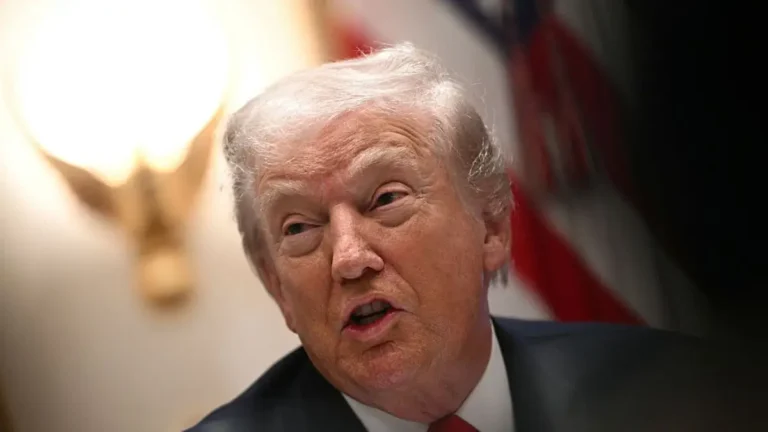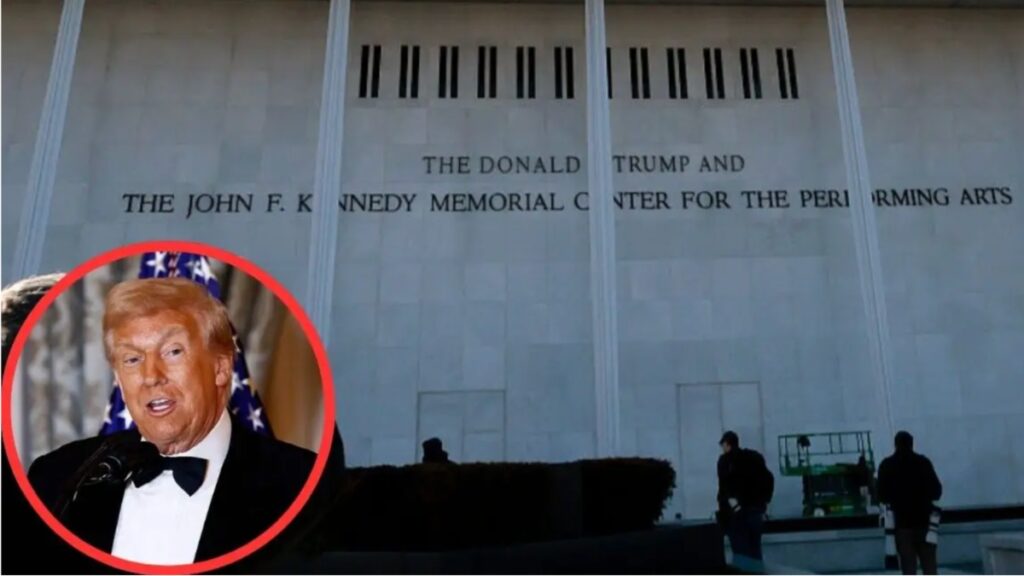
In a move emblematic of his controversial presidency, Donald Trump recently escalated a simmering conflict surrounding the John F. Kennedy Center for the Performing Arts, a national treasure that holds deep cultural significance for many Americans. The President’s decision to emblazon his name on the esteemed institution last year caught many by surprise and set off a firestorm of criticism from artists, activists, and everyday citizens alike. This bold, some might say audacious, act has not only sparked a debate on the sanctity of artistic spaces but also opened a Pandora’s box of questions regarding his motivations and the implications for American culture.
At the heart of the matter lies a broader conversation about the legacy of arts and culture in America, particularly in a country that has long been a melting pot of diverse narratives. For many, the Kennedy Center represents a commitment to honor and showcase the rich tapestry of American artistry—from jazz to hip hop, from theater to classical music. Trump’s interference in an institution designed for the celebration of such diversity raises eyebrows. It reflects a troubling trend where political leaders place personal branding above collective heritage, prompting questions about who truly gets to shape the cultural narrative.
Moreover, the timing of Trump’s involvement came when the Kennedy Center faced challenges during the pandemic, with discussions of closure and funding cuts looming in the background. Critics argue that his administration’s focus on self-promotion rather than providing real solutions for struggling arts institutions reveals a stark disconnect from the realities facing artists and cultural workers. As institutions grapple with financial instability, many in the arts community believe that the President’s antics are not just a distraction, but a dangerous precedent that could further erode public trust in cultural organizations.
As the circumstances surrounding the Kennedy Center continue to unfold, tensions intensify. The arts community is rallying to reclaim the narrative, pushing back against the notion that the President’s name should be synonymous with this revered institution. As discussions heat up, it becomes increasingly clear that this isn’t merely about a name on a building; it’s a battle for the soul of American culture in a time when chaos reigns supreme in the political landscape.
In the end, what we’re witnessing is a collision of ideals where the values of art, equity, and representation stand in stark contrast to political chaos. As we reflect on our history and the figures who have shaped it, we must remain vigilant and outspoken, ensuring that the future of our cultural institutions does not fall prey to the whims of those who would rather sow discord than celebrate the unity found in our shared stories.
About The Author