As we navigate the ever-evolving landscape of education, the significance of historically Black colleges and universities (HBCUs) has never been more pronounced. Parents today, particularly those belonging to the ‘Black-ish’ generation, are stepping back to reevaluate what college readiness truly means for their children. The conversations around higher education have shifted dramatically, influenced by a blend of cultural pride, economic realities, and a desire for environments that nurture rather than stifle. HBCUs are emerging as not just viable options but as preferred paths, rich in history and culture, providing an educational experience that resonates deeply with Black students.
For many parents, the decision to steer their children toward HBCUs is rooted in the desire for an inclusive atmosphere where their kids can thrive academically while embracing their identity. The recent resurgence of interest in these institutions reflects a broader cultural movement to affirm and celebrate Black excellence. With the rising costs of college tuition and the often predatory nature of student loans, many families see HBCUs as not only a place of learning but also a community that supports Black students holistically, addressing their unique challenges. The legacy of these institutions—grounded in resilience and a commitment to uplift the Black community—remains a powerful draw for parents seeking the best for their kids.
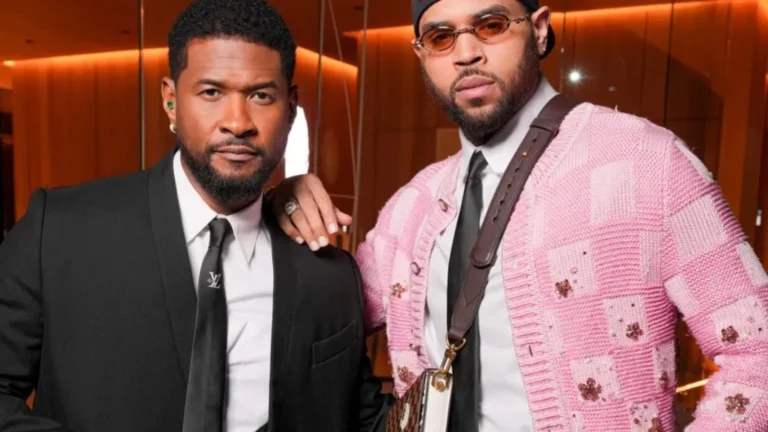
Moreover, with the rise of influential figures advocating for HBCUs, the narrative surrounding these schools has transformed. Celebrities and prominent figures from various fields are proudly showcasing their HBCU pride, which in turn inspires younger generations to consider these institutions seriously. This visibility is changing perceptions, prompting parents to think critically about the value of an education that not only prepares their children for careers but also provides a strong foundation in their cultural roots. The HBCU experience fosters a sense of belonging, where students are encouraged to engage with their history while forging their paths in a diverse world.
These changing dynamics are indicative of a larger awakening, one that prioritizes education grounded in cultural identity and community support. As we move forward, it’s essential for educators and policymakers to recognize and amplify the benefits of HBCUs, ensuring that they remain accessible and appealing to future generations. The narrative of success is shifting; parents of the ‘Black-ish’ generation are not only embracing HBCUs but are also redefining what it means to be college-ready, proving that a rich educational experience can flourish when backed by a strong cultural identity.
About The Author