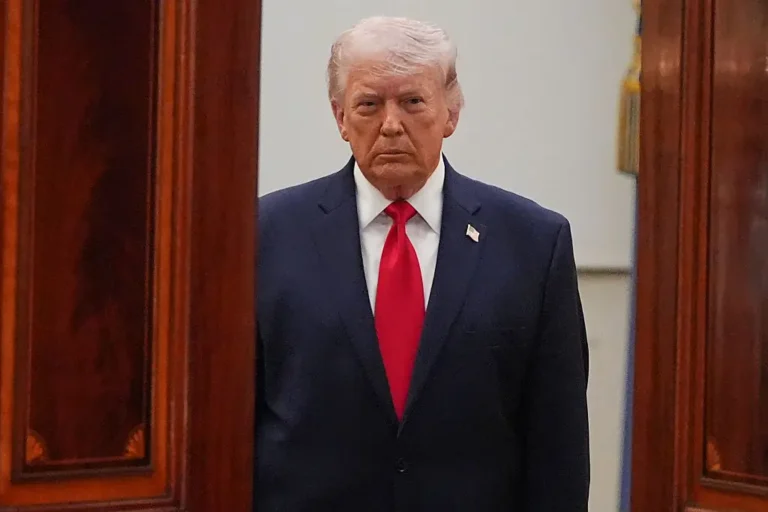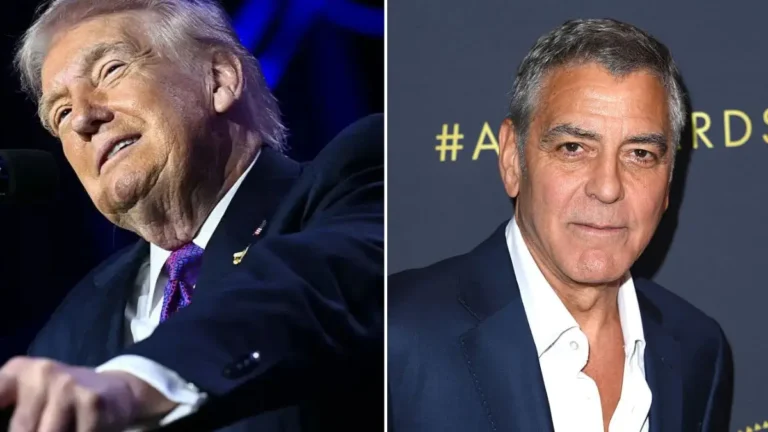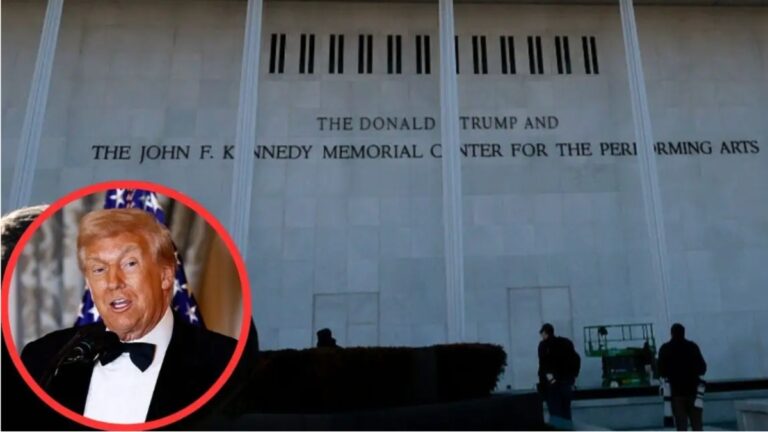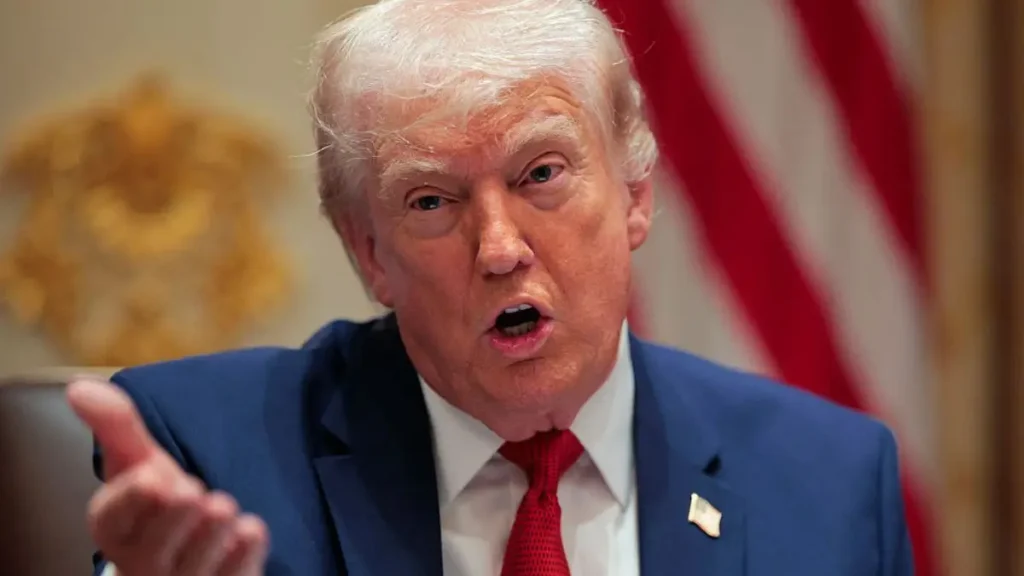
In the ever-tumultuous world of American politics, the arts have found themselves caught in the crossfire once again. Recent events at the John F. Kennedy Center for the Performing Arts have left many in shock as a significant wave of layoffs swept through the institution, seemingly as a direct consequence of President Donald Trump’s ongoing feud with former First Lady Michelle Obama. It’s a stark reminder of how the arts and culture can be deeply impacted by political maneuvering, particularly when the stakes involve such high-profile figures.
The Kennedy Center is more than just a venue for performances; it’s a cultural beacon that represents the vibrancy and diversity of American arts. So, when the news broke that a large number of workers faced termination, it wasn’t just an economic blow; it felt like a strategic strike. Employees, patrons, and artists alike were left rattled, grappling with the implications of such drastic measures that appeared to align with Trump’s retaliatory tactics against those he perceives as adversaries. The arts community, which has long been a haven for progressive voices, now finds itself navigating a precarious landscape where funding and employment can hinge on the whims of political drama.
Critics of the President have expressed outrage, with many suggesting that these layoffs are not just coincidental but emblematic of a larger pattern of using power as a tool for personal vendettas. Trump’s history of leveraging his position for retribution against those who challenge him is well-documented, and this latest episode seems to echo past behavior. For many, it brought forth a sense of disbelief: how could the arts be a casualty in a spat that should remain in the realm of personal disagreements? As the conversation around the importance of arts funding intensifies, the fallout from this clash resonates beyond the confines of political debate, touching on issues of cultural identity and the survival of creative spaces.
In a time when the world is already wrestling with the implications of the pandemic on the arts, the Kennedy Center’s situation has amplified the cries for solidarity within the creative community. Artists and advocates are rallying together, emphasizing that the arts are not merely entertainment but essential threads in the fabric of society. The ramifications of these layoffs extend into the future, raising questions about who gets to tell our stories and how those narratives are funded and supported. The intersection of arts and politics is complex, yet it’s precisely this complexity that underscores the need for a unified front against any political maneuver that aims to silence or undermine artistic expression.
As we bear witness to the unfolding drama, it’s crucial to remind ourselves that the fight for the arts is also a fight for our culture and history. The Kennedy Center has long stood as a symbol of excellence and diversity in the arts, and the community’s response to these layoffs will be pivotal in shaping its future. As we engage with these developments, let us not forget that our voices matter, and together, we have the power to influence change.
About The Author