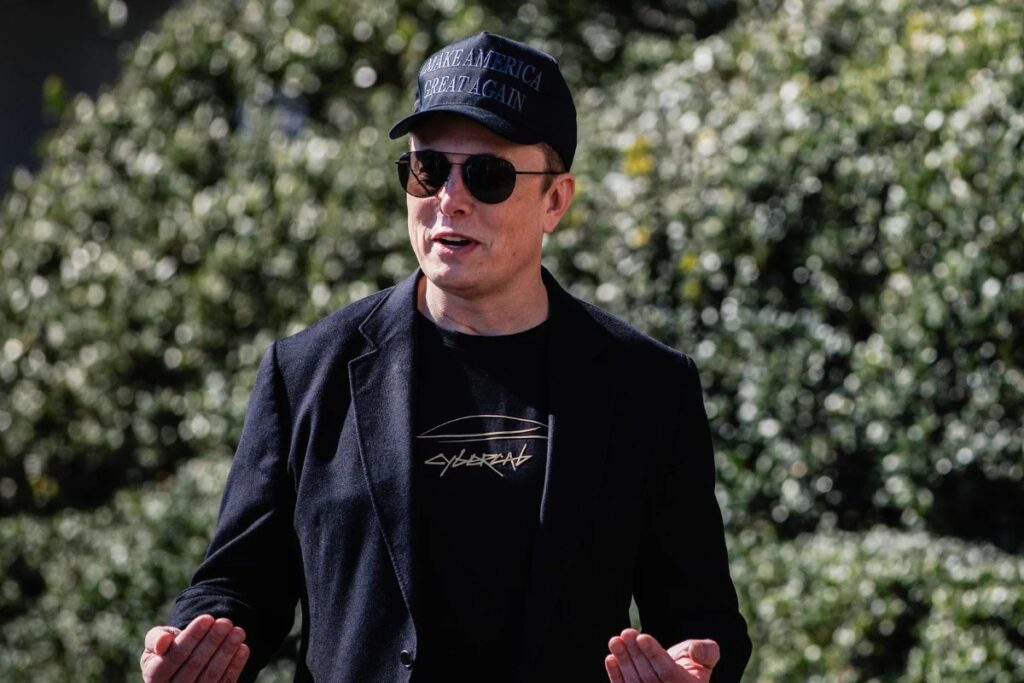
Elon Musk has recently made headlines for claiming that South Africa won’t grant his Starlink project a license because he isn’t Black. This statement raises eyebrows not just for its audacity, but also for its questionable foundation. Musk, the billionaire entrepreneur known for his ventures in electric vehicles and space travel, hails from a family that significantly benefited from apartheid-era policies in South Africa. While he may portray himself as a misunderstood innovator, we can’t ignore his privileged past in a country where systemic racism reigned supreme.
Musk’s family arrived in South Africa during a time when racial segregation was codified into law, establishing a society where wealth and opportunities were neatly divided along color lines. His father, Errol Musk, was involved in the emerald mining business, a venture that profited off the exploitation of Black South Africans. Let’s not kid ourselves—this was not just a coincidence of timing; it was a direct result of the apartheid system that allowed a privileged few to thrive while millions were oppressed. Now, Musk’s attempt to position himself as a victim feels incredibly tone-deaf.
The irony is hard to overlook. A man who grew up in a world built on racial inequality is now crying foul over perceived discrimination when it comes to his satellite internet ambitions. Instead of acknowledging the historical context of his wealth and influence, Musk leans into a narrative that shifts blame away from himself. This isn’t just self-pity; it’s a classic example of deflection, one that many in positions of power resort to when faced with uncomfortable truths.
It’s essential to hold influential figures accountable for their privilege, especially when they use their platform to further personal agendas. Musk’s complaints about not being able to access licensing in South Africa could be met with a healthy dose of skepticism. Rather than reflect on the systemic issues at play, he chooses to frame the conversation around his own grievances. Perhaps it’s time for him to confront the legacy of his family’s wealth and consider how that plays into the broader societal framework he now seeks to disrupt with his technological advancements.
In a world where racial injustices still linger, it feels disingenuous for Musk to cast himself as a victim. His story serves as a reminder that the conversation about race and privilege is far from over, particularly when those who benefited from systems of oppression continue to dominate the narrative. As he continues his quest to reshape the future, it’s crucial for Musk to acknowledge the past that enabled his rise, rather than attempting to rewrite it with claims of victimhood.
About The Author