In a significant twist in the ongoing saga surrounding the murder of the legendary Jam Master Jay, Karl Jordan Jr., who was convicted for the killing, will remain behind bars for the time being. Federal prosecutors successfully halted his bond release, citing the need for a comprehensive appeal process. This decision has reignited conversations about justice, legacy, and the lasting impact of violence within the hip-hop community.
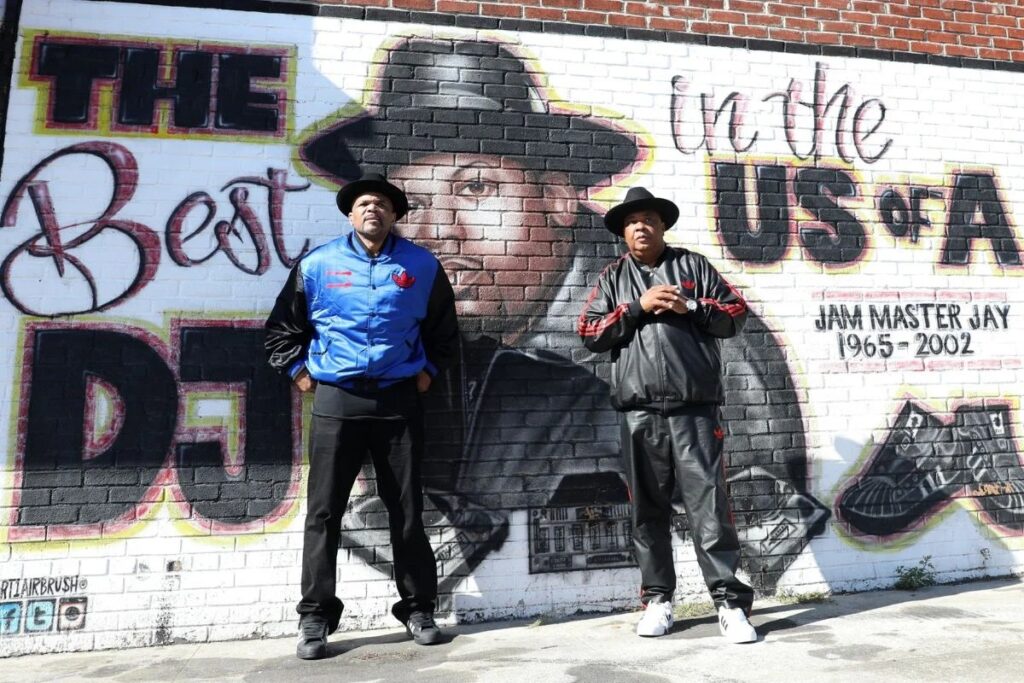
Jam Master Jay, a founding member of the iconic group Run-D.M.C., was gunned down in his Queens recording studio in 2002, a tragedy that sent shockwaves through the music world and beyond. For years, the case remained unsolved, but after a protracted investigation, Jordan and his co-defendant were arrested and charged, finally bringing some measure of closure to a grieving community. However, the recent decision to freeze Jordan’s potential release indicates that the legal battle is far from over.
The appeal process is now front and center, with federal prosecutors arguing that Jordan’s release could undermine public safety and justice for Jay’s family. Many in the hip-hop community have echoed these sentiments, recognizing that the scars left by violence run deep and that accountability is crucial. As news of the freeze spreads, it has sparked discussions about the broader implications of such decisions, particularly how they relate to the narratives of artists and their communities.
This development illustrates the complex interplay between law, celebrity culture, and the relentless pursuit of justice that is often marred by systemic issues. While Jordan remains incarcerated for now, the ripple effects of his case continue to resonate, reminding us that the legacy of figures like Jam Master Jay is more than just music; it’s a call to reflect on the lives lost to violence and the ongoing fight for a safer world. For those who loved Jay and cherished his contributions to hip-hop, this moment is another chapter in a story that is far from finished.
About The Author