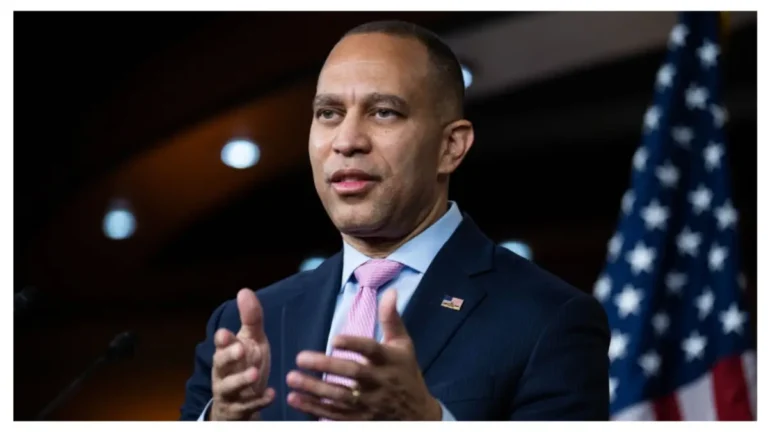
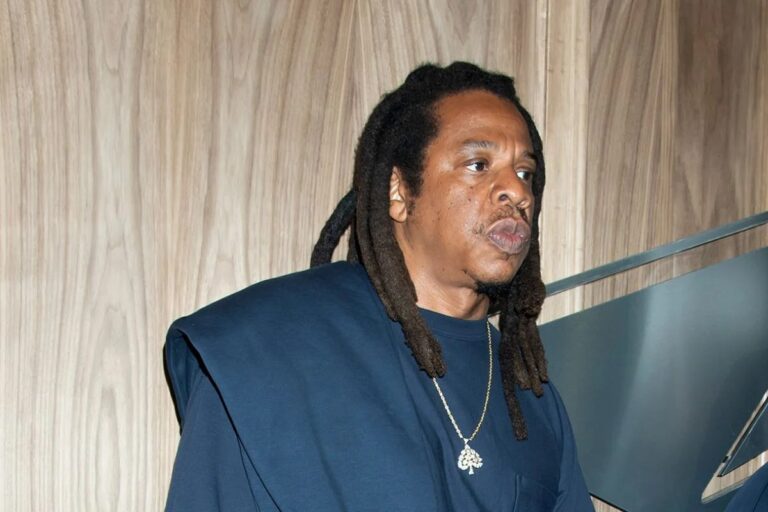
In a world where laughter often dances on the line of truth, comedian Druski struck a nerve with his viral mega-church skit, poking fun at the extravagant lifestyles of some well-known pastors, including Joel Osteen. The skit is a mirror reflecting the excesses of the mega-church phenomenon in America—a subject that hits home for many in the Black community. It’s a familiar topic, one that raises questions about faith, financial accountability, and the often-blurred line between spirituality and spectacle. When you take a jab at something that feels all too real, it’s bound to stir the pot.
Enter Pastor Joel Osteen, who, acknowledging the humor in Druski’s portrayal, admitted there’s both “funny and truth” in the sketch. For a man who has built an empire on the idea of prosperity gospel, this admission speaks volumes. He’s not just defending his reputation; he’s stepping into a conversation that many would prefer to ignore. The truth is, comedians like Druski have a knack for bringing societal issues to the forefront in a way that is both relatable and brutally honest. It’s a conversation starter, even if the subject matter can sometimes feel uncomfortable.
Osteen’s attempt to clear his name might come off as a classic case of “I can laugh at myself,” but it also highlights a deeper struggle within the church. The Black church, historically a pillar of community resilience and strength, faces a reckoning against the backdrop of commercialization and celebrity culture. While many find solace in the spiritual guidance offered, there’s also a growing skepticism about how far the line can be stretched before it snaps. By admitting that there’s truth in Druski’s humor, Osteen seems to recognize the complexities surrounding faith and finance, but does he really grasp the depth of the criticism?
As Druski continues to amplify these conversations through his comedy, we can’t overlook the importance of this dialogue. It’s not just about laughter; it’s about accountability, authenticity, and the real experiences of Black people navigating faith in a world increasingly fixated on material gains. Osteen might brush off the critiques with a smile, but we know that beneath the surface lies a struggle that many in our community face. It’s a delicate dance of belief and reality, and one that is long overdue for honest discussion.
At the end of the day, humor can be a powerful tool for change. It allows us to confront uncomfortable truths while still celebrating our resilience. As Osteen grapples with the viral implications of Druski’s comedic lens, we’re reminded that laughter isn’t just about entertainment—it’s a catalyst for deeper understanding and a push for accountability in all spaces, including the church. So, let’s keep the conversation rolling, because as Druski so boldly illustrates, the truth is sometimes just waiting for a punchline.
About The Author