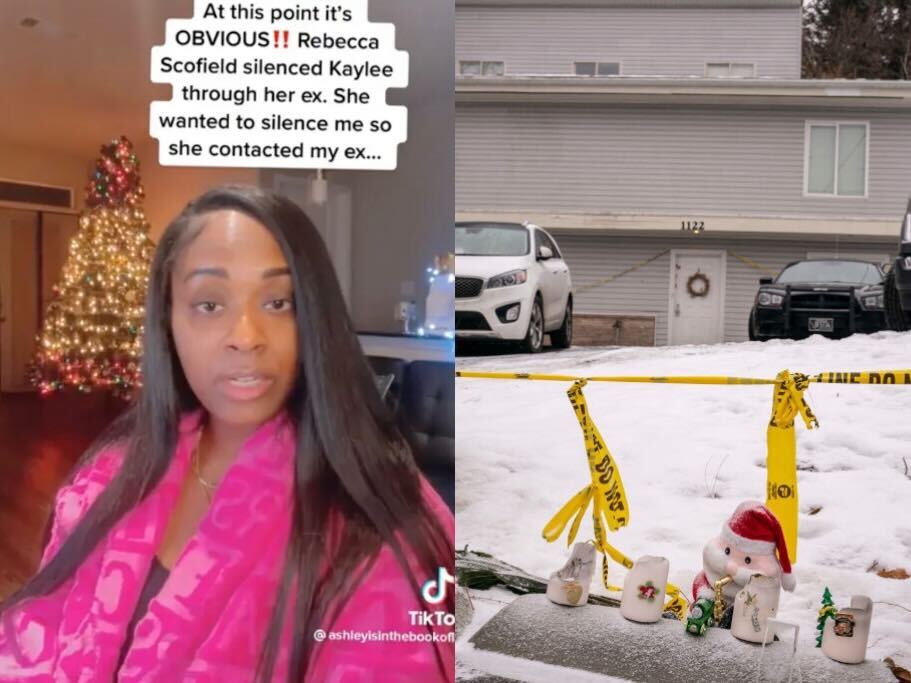
In a wild turn of events, Ashley Guillard, a Black TikTok psychic, is appealing a staggering $10 million judgment after a jury found her claims about the Idaho student murders to be defamatory. Guillard rose to fame on social media, where she gained a following by sharing her psychic insights on various topics; however, her recent foray into the tragic case of the University of Idaho students has landed her in hot water. With a captivating presence that blends mysticism with the immediacy of TikTok culture, she allegedly made some bold statements that included details about the murders, leading to severe backlash and legal consequences.
The case centers around Guillard’s assertions that she had psychic visions regarding the murder of four university students, which she shared with her followers, drawing significant attention to herself in the process. These claims, presented as fact, not only attracted a wave of interest but also angered the families involved, prompting legal action. The jury’s decision to award damages against her was rooted in the belief that her statements had crossed a line into defamation, damaging reputations and causing emotional distress.
Now, Ashley Guillard is not one to back down. Her decision to appeal the judgment suggests a steadfast belief in her right to express her visions, regardless of the legal repercussions. It raises questions about the intersections of free speech, mental health, and the modern phenomenon of internet fame. As more people turn to social media for information—be it about politics, entertainment, or true crime—the responsibilities of influencers can become blurred. Guillard’s case is a stark reminder of how the digital age complicates traditional notions of accountability and truth.
While her appeal may be perceived as controversial, it’s also an example of the larger dialogue happening around the power of social media personalities. In a culture where TikTok stars can rise to prominence overnight, the lines between entertainment and reality often become indistinguishable. As Guillard fights to overturn the judgment, her case may compel not just a reevaluation of her statements but also a broader examination of the consequences faced by those who wield the influence of their platforms in sensitive matters like these. The outcome could set a precedent for how similar cases are handled in the future, affecting not just Guillard but the entire landscape of digital expression.
About The Author