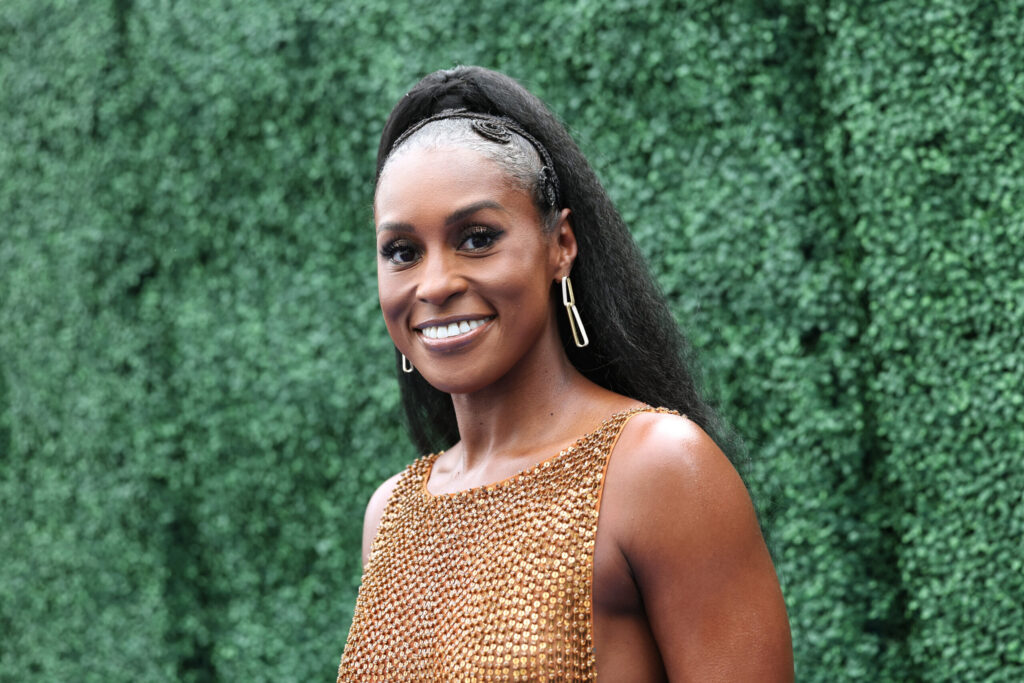
LOS ANGELES, CALIFORNIA - FEBRUARY 15: Issa Rae attends the 2026 Film Independent Spirit Awards on February 15, 2026 in Los Angeles, California. (Photo by Araya Doheny/Getty Images)
Issa Rae isn’t one to shy away from speaking her mind, and her recent comments about Hollywood’s shifting stance on Diversity, Equity, and Inclusion (DEI) should strike a nerve. In a landscape where many had hoped that the conversations surrounding DEI would lead to more authentic representation and opportunities for Black creators, Rae suggests that the industry is backtracking. As she articulates, the initial momentum that followed the social justice movements has waned, leaving many projects that center Black narratives on the cutting room floor.
For those of us who champion diverse storytelling, this is not just a setback; it’s a wake-up call. Rae noted that with the recent backtracking by studios, it seems like they’re using DEI as a buzzword rather than a commitment to real change. Projects that were supposed to uplift underrepresented voices are now under scrutiny or simply being sidelined as studios prioritize profit margins over true representation. It’s frustrating to see the once-hopeful commitments dissolve into empty promises, especially when the demand for authentic stories has never been clearer.
Moreover, Rae’s insights resonate beyond Hollywood. They reflect a broader trend in various industries, where the initial push for inclusivity often gives way to complacency as social movements fade from the headlines. It’s a reminder that the struggle for equity is ongoing and requires constant vigilance, advocacy, and action. Rae is a powerful voice in this conversation, not merely commenting from the sidelines but actively participating in the fight for better representation.
As we dissect her statements and reflect on the current state of Black storytelling in Hollywood, let’s remember that every setback is an opportunity for resurgence. Rae’s candor serves as both a critique and a rallying cry for those of us who understand that equality is not just a phase; it is a necessity. The future of Black narratives in Hollywood hinges on our collective efforts to hold the industry accountable, ensuring that the voices of our communities are not just heard but celebrated and amplified.
About The Author