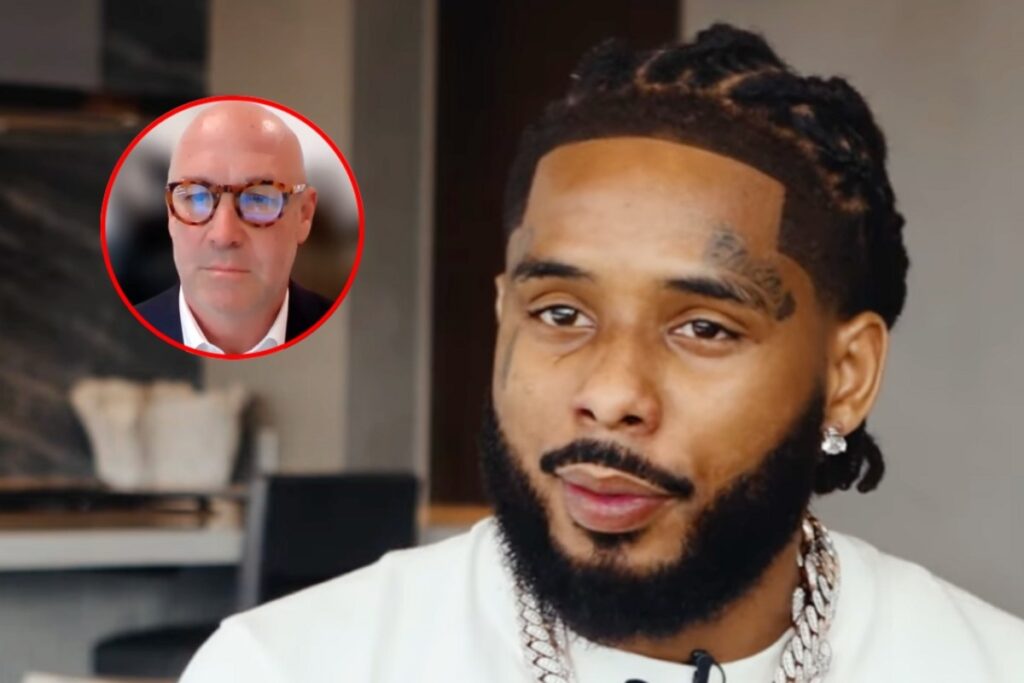
In a recent turn of events, Pooh Shiesty’s legal representation has come forward with an eye-opening defense that sheds light on the rapper’s alleged missteps. The narrative suggests that rather than being embroiled in any contractual disputes, Pooh was simply printing out lyrics, a move that might sound trivial but has significant implications in the courtroom. This defense not only aims to clarify the situation surrounding his legal troubles but also highlights the broader issue of how artists navigate the complexities of their craft and career under the scrutiny of the law.
The rapper, best known for his raw verses and infectious beats, has faced a whirlwind of legal battles stemming from incidents that raised eyebrows in the hip-hop community. The notion that the documents in question were merely lyrical drafts raises questions about the interpretation of intent and the often fine line between art and legality. Pooh Shiesty’s attorney argues that this unintentional oversight should not be seen as a breach of contract but rather a reflection of an artist’s process, where creativity often spills onto paper without the formality of legal bindings.
Moreover, this case illustrates the ongoing struggles many hip-hop artists encounter, where their artistic expression is sometimes misinterpreted or manipulated by the legal system. In a genre that thrives on authenticity and real-life experiences, it’s crucial to recognize that the creative process can be messy and unrefined. Pooh’s situation may resonate with many in the industry, sparking a conversation about the need for more comprehensive understanding and support for artists navigating these complex waters.
As the case unfolds, fans and critics alike are left to ponder not just the fate of Pooh Shiesty, but the implications this has for hip-hop culture as a whole. It’s a stark reminder that in the world of music, where every line can be dissected, artists must tread carefully. The hope is that this legal battle brings about a greater appreciation for the artistry that defines hip-hop, championing the idea that creativity should be celebrated rather than shackled by legal constraints.
About The Author