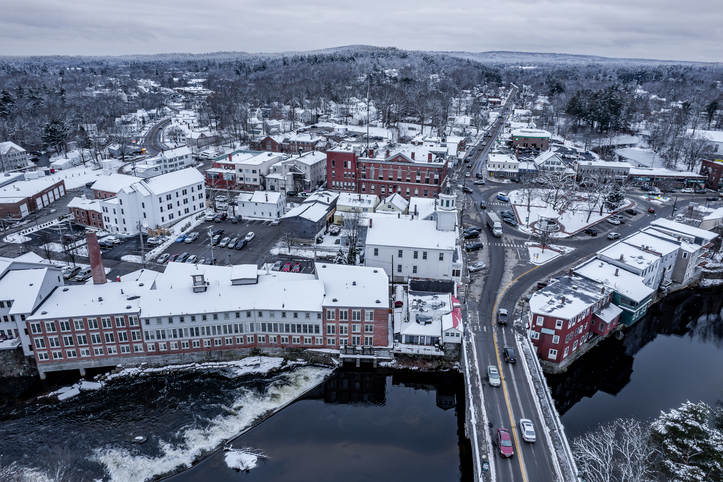
Harriet E. Wilson’s groundbreaking novel, “Our Nig,” published in 1859, holds a significant place in American literature as a work that not only tells a story but also serves as a powerful commentary on race and identity. Born in New Hampshire in 1825, Wilson’s early life was marked by hardship and struggle, yet she channeled her experiences into her writing. “Our Nig” follows the life of a young Black girl, Frado, as she navigates the complexities of life in a white household in New England. This was a revolutionary act in a time when the voices of Black women were largely silenced and marginalized.
Wilson’s narrative was not just another tale of the period; it was an intimate exploration of the realities of race, gender, and class that resonated deeply with the societal issues of her time. With a sharp pen, she illuminated the struggles of Black women, portraying them as resilient and multifaceted individuals, rather than the stereotypes that often defined them. This authenticity set the stage for future generations of Black writers and paved the way for a richer, more nuanced representation of Black experiences in American literature.
Yet, despite her pioneering achievement, Wilson’s work fell into relative obscurity for many years after its publication. It was not until the late 20th century that scholars began to rediscover her contributions, recognizing her as a precursor to the Harlem Renaissance and a significant figure in the canon of American literature. Wilson’s journey reminds us of the resilience required to carve out space for one’s voice in a world often eager to silence it.
Today, Harriet E. Wilson is celebrated not only for her literary accomplishments but also for the legacy she left behind. Her story is a testament to the power of storytelling and the importance of representation. In a literary landscape that has too often overlooked the contributions of Black women, Wilson’s bold assertion of identity continues to inspire writers and activists alike. Her life and work urge us to remember that history is as much about the voices that have been heard as those that have yet to be amplified, an ongoing call to honor and uplift the narratives of all those who have shaped our world.
About The Author