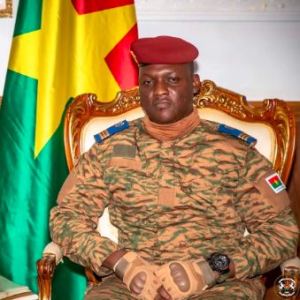
On April 2, 2026, President Ibrahim Traoré of Burkina Faso captivated both local and international audiences during an extraordinary press conference that lasted over two hours. In a moment that felt less like a typical political briefing and more like a masterclass in leadership and communication, Traoré tackled a multitude of pressing issues. From the socio-economic challenges facing Burkina Faso to the nation’s complex relationships with foreign powers, he delivered a performance that left no room for misinterpretation. His poise and clarity not only highlighted his deep understanding of his country’s needs but also demonstrated his commitment to his people.
What stood out was Traoré’s ability to navigate the murky waters of international politics without falling into the traps often laid by journalists. He skillfully deflected leading questions and re-framed the narrative, pivoting to discuss the importance of sovereignty and mutual respect between nations. His insistence on prioritizing Burkina Faso’s interests over foreign agendas resonated deeply with his audience, showcasing a leader who is both thoughtful and unyielding in his pursuit of national dignity.
As he spoke passionately about the need for economic independence and educational reform, it was clear that Traoré is not just a leader; he is a visionary who is reshaping the discourse around governance in Africa. His command over the subjects at hand and the authenticity with which he engaged the press underscored a refreshing departure from the diplomatic jargon that often pervades such gatherings.
This press conference was not merely a series of statements but a clarion call for unity and resilience among Burkinabé people. Traoré’s insights on collaboration—highlighting the importance of pan-African solidarity in the face of global challenges—reminded everyone present of the rich legacy of African leaders who stood firm against colonialism and exploitation. In a world increasingly characterized by division, his emphasis on cooperation and self-determination stands as a powerful reminder of the potential for positive change that exists within the continent.
As we reflect on the significance of this event, it’s evident that Ibrahim Traoré is not only steering Burkina Faso through turbulent waters but is also setting a precedent for future generations of African leaders. His press conference serves as a crucial reminder of the importance of authentic leadership rooted in the realities of the people, making it a landmark occasion in the annals of African political discourse.
About The Author