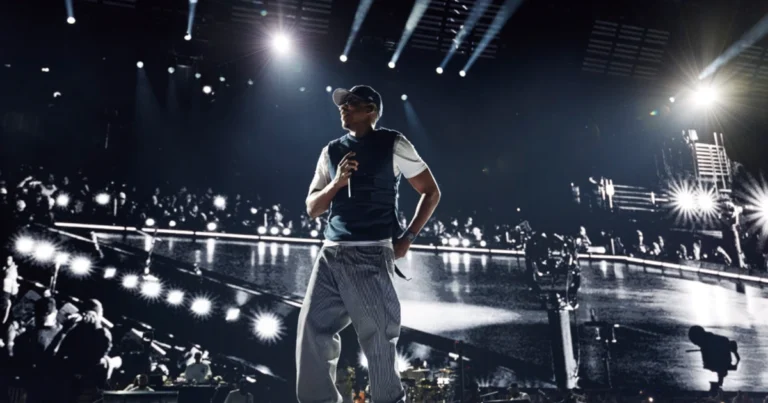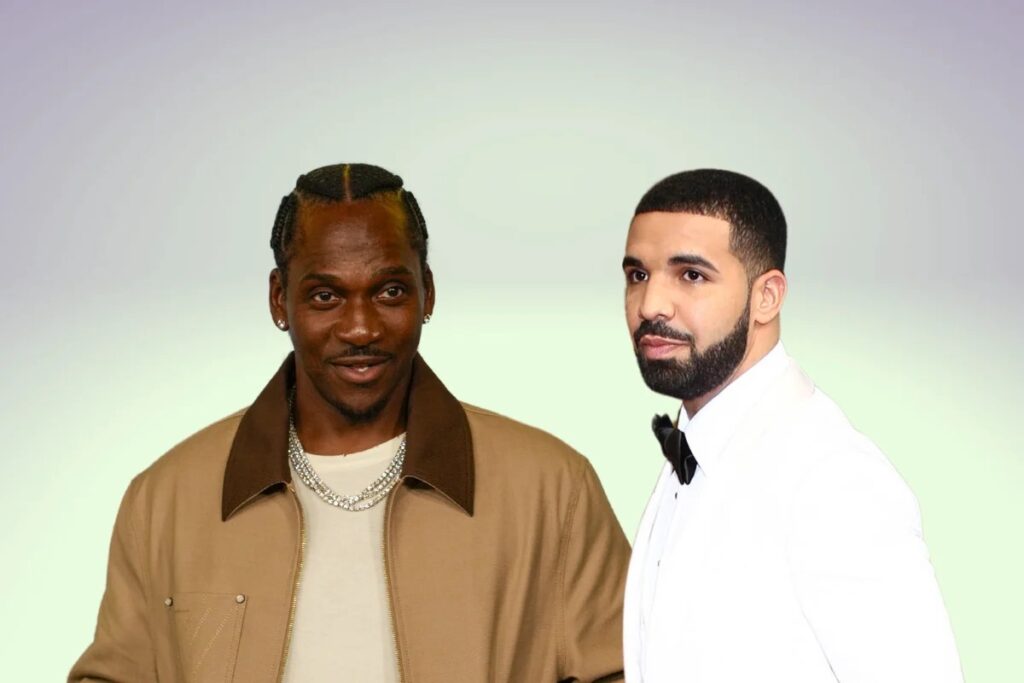
In the landscape of hip-hop, where authenticity is revered and scrutinized, the recent rumors linking Pusha T to ghostwriting have once again ignited debates reminiscent of the notorious Drake and Quentin Miller saga. Pusha, known for his incisive bars and unrivaled storytelling, finds himself under a microscope as fans and skeptics alike question the authenticity of his lyrical prowess. But what’s often lost in these conversations is the nuance of collaboration that has long existed in the music industry—especially in a genre that thrives on shared experiences and artistic partnerships.
The whispers about Pusha T’s connection to Quentin Miller, the same writer who was embroiled in controversy over his contributions to Drake’s work, seem to stem from the perfect storm of speculation and internet gossip. The narrative often paints ghostwriters as shadowy figures lurking in the backgrounds of hip-hop’s brightest stars, yet the reality is often more collaborative than conspiratorial. This is a genre built on the back-and-forth of influences, where artists draw from one another and hone their craft through the assistance of peers, whether it be through writing, production, or simply bouncing ideas around.
Pusha T has solidified his status as a lyricist through years of hard work and dedication, largely crafting an image that aligns with authenticity and raw emotion. The thought of him relying on another’s pen feels almost sacrilegious to many of his fans, who celebrate his commitment to hard-hitting narratives about the realities of street life and the complexities of fame. If there’s anything to take away from this gossip, it’s the reminder that the intricacies of music creation are seldom black and white; they’re filled with grey areas that challenge our perception of art.
Additionally, in an era where the concept of ownership over one’s narrative is paramount, it’s essential to remember the collaborative nature of art. Writers, producers, and artists often work together to create what we hear on our favorite tracks. As hip-hop continues to evolve, embracing influences from various sources, the ghostwriting debate may serve as a reflection of larger discussions about creativity and authenticity in the digital age. While the rumors may continue to swirl, it’s crucial to separate the sensational from the substantive and appreciate the artistry that goes into each verse.
So, as we sift through the latest gossip, let’s celebrate Pusha T for what he does best: crafting intricate stories and delivering them with unmatched intensity. Whether or not he’s been influenced by others, it’s the final product that resonates—one that has the power to inspire and provoke thought, just as hip-hop has always intended. At the end of the day, it’s this cultural richness that keeps us coming back for more, regardless of who holds the pen.
About The Author