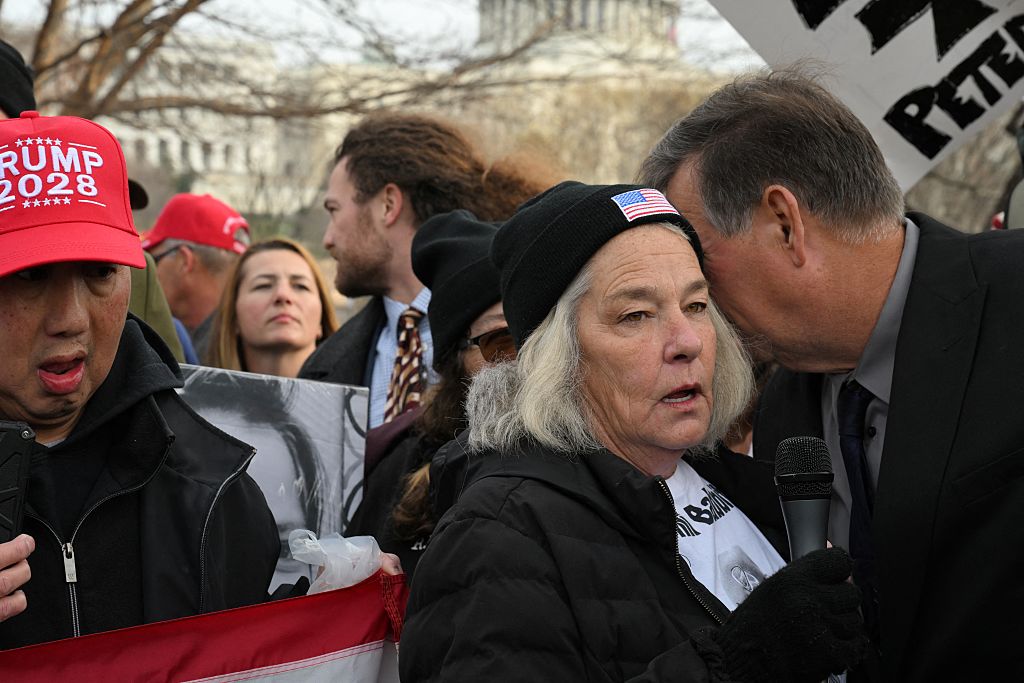
In a move that has sparked a wave of debate and controversy, the Justice Department has taken steps to dismiss the convictions of leaders from the Proud Boys and Oath Keepers, two far-right groups embroiled in the events of January 6, 2021. This decision comes in stark contrast to the blanket pardons issued by former President Donald Trump, which shielded some individuals, but left others to face the full weight of the law. The implications of this dismissal are vast, raising questions about accountability, justice, and the broader political landscape.
For many, the Capitol riot was not simply a moment of chaos but a manifestation of deep-rooted societal issues—racism, misinformation, and the ongoing struggle for power in America. The notion that the Justice Department would consider wiping the slate clean for these leaders feels like yet another reminder of the disparities in how justice is administered based on political affiliation and influence. In a country striving for equality and fairness, this development reignites the conversation on who gets protected and who faces the consequences of their actions.
Advocates for accountability argue that dismissing these convictions undermines the severity of the attack on democracy that day. For them, it is not just about the individuals involved but about the message it sends to the broader public. Is there a line that can be drawn between political activism and sedition? By easing the burden on these leaders, the Justice Department risks diminishing the gravity of their roles in inciting violence and disorder. The implications extend far beyond the courtroom—they seep into the public consciousness and challenge the very foundations of democratic principles.
At the same time, there are those who argue for the need to consider the motives and circumstances surrounding those involved in the riot. They suggest that the political climate is fraught with tension and misunderstanding, warranting a more nuanced approach to justice. However, as discussions unfold about leniency and mercy, one must reflect on the narratives that have perpetuated cycles of violence and divisiveness in America.
As we navigate this complex landscape, it’s essential to hold space for dialogue and reflection. The decision to dismiss these convictions is yet another chapter in a long-standing narrative of race, power, and justice in the United States. It challenges us to consider not only our past but also the direction we want to take as a society committed to equity and justice for all.
About The Author