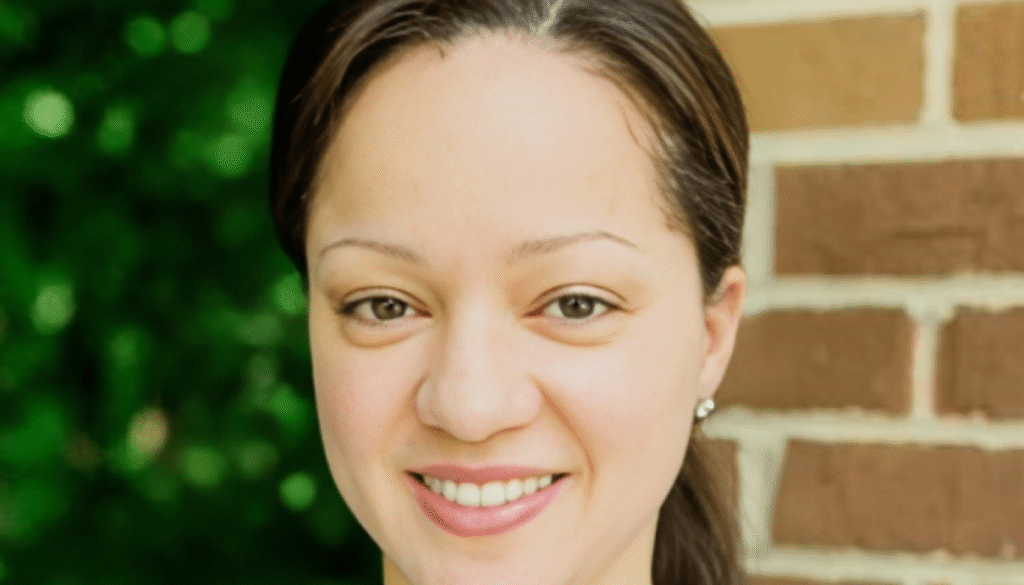
In a powerful statement echoing the pain of loss and the urgent need for change, Baltimore Mayor Brandon Scott has stepped forward following the tragic passing of Dr. Cerina Wanzer Fairfax. A respected figure in her community, Dr. Fairfax’s life was abruptly cut short, leaving behind a legacy of dedication to her work and her family. Mayor Scott, using his platform to address a pressing societal issue, emphasized the need for men to take accountability in the wake of this tragedy. His poignant words on social media—”RIP Dr. Fairfax. Fellas we have to be better”—serve both as a tribute to her memory and a clarion call for introspection and action.
Dr. Fairfax was not just a statistic but a beacon of hope for many in Baltimore. As a skilled professional who committed her life to helping others, her loss reverberates through the community. Mayor Scott’s call for accountability highlights a critical conversation surrounding violence against women and the role that societal attitudes play in perpetuating such tragedies. It’s a reminder that we must confront uncomfortable truths to foster a safer environment for everyone, particularly for women who often find themselves vulnerable in a world that can be unforgiving.
In the wake of Dr. Fairfax’s death, loved ones and friends have gathered to remember her not only for her professional achievements but for the warmth and compassion she shared with those around her. Her legacy is one of love, resilience, and the fight for justice, underscoring the importance of community and the need for collective action. The sorrow felt by those who knew her speaks volumes about the kind of person she was—someone who inspired and uplifted others.
As we reflect on the impact of Dr. Fairfax’s life, we are reminded that accountability is not just a call to action; it’s a necessary step toward healing. Mayor Scott’s remarks resonate deeply in a time where we are called to look beyond ourselves and strive for a society where all individuals, particularly women, can thrive without fear. Her passing serves as more than a moment of mourning; it’s a crucial juncture demanding change and a commitment to building a future where every life is valued and protected in every community.
About The Author