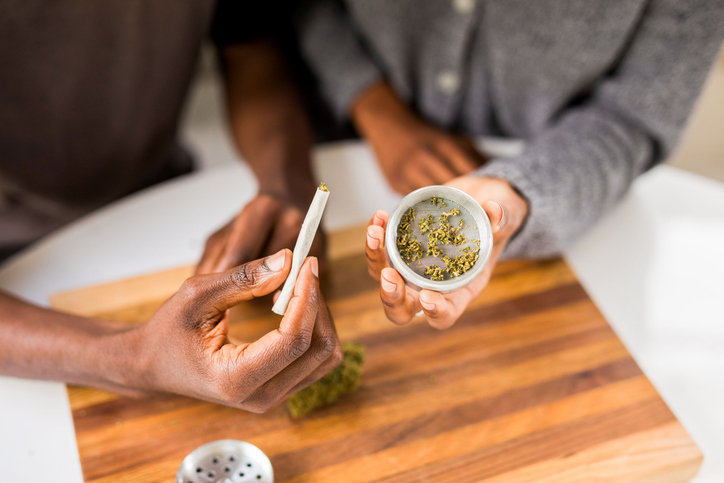
As we approach April 20th, popularly known as 420, we find ourselves in a season of celebration for cannabis culture. Across the country, people will gather to commemorate the plant that has woven itself into the fabric of society, art, and even politics. Yet for Black Americans, this day carries a weight that transcends the euphoric haze of festivities; it serves as a stark reminder of the disparities that persist in the cannabis industry. While Black individuals represent roughly 13% of the U.S. population, they account for a mere 1.2% to 1.7% of cannabis business ownership. This glaring imbalance raises critical questions about equity, representation, and access in a market that has seen exponential growth, particularly following the wave of legalization sweeping across various states.
Historically, the war on drugs disproportionately targeted Black communities, resulting in mass incarceration and systemic marginalization. As marijuana moves from the shadows of criminality to the light of legality, it feels disheartening to witness the continued exclusion of those who suffered most from its prohibition. Many Black entrepreneurs are eager to enter the cannabis market, yet face barriers such as high entry costs, complex licensing processes, and a lack of access to capital. These challenges create a cycle where the very communities that fought hardest for legalization are left behind in the benefits of an industry that’s now valued in the billions.
420 should symbolize freedom and opportunity, but for many Black Americans, it feels more like a reminder of injustice. The holiday is an opportunity not only to advocate for the decriminalization of cannabis but also to push for legal reforms that ensure equity in the industry. We need to recognize that as marijuana is increasingly accepted, the conversations must evolve to include reparative measures that allow for the participation of Black entrepreneurs. The future of cannabis should not just be a celebration of the plant but also a call to action for inclusivity and justice.
This 420, let’s elevate the conversation beyond just consumption to encompass ownership and equity. As we light up in celebration, let’s not forget the larger narrative of disenfranchisement and the need to dismantle the systems that restrict ownership. Collectively, we can advocate for policies that uplift Black voices and allow them to thrive in a space that has largely overlooked them. The cannabis industry is a new frontier, and it’s time for Black people to claim their rightful place in it, ensuring that the benefits of legalization serve everyone, not just a privileged few.
About The Author