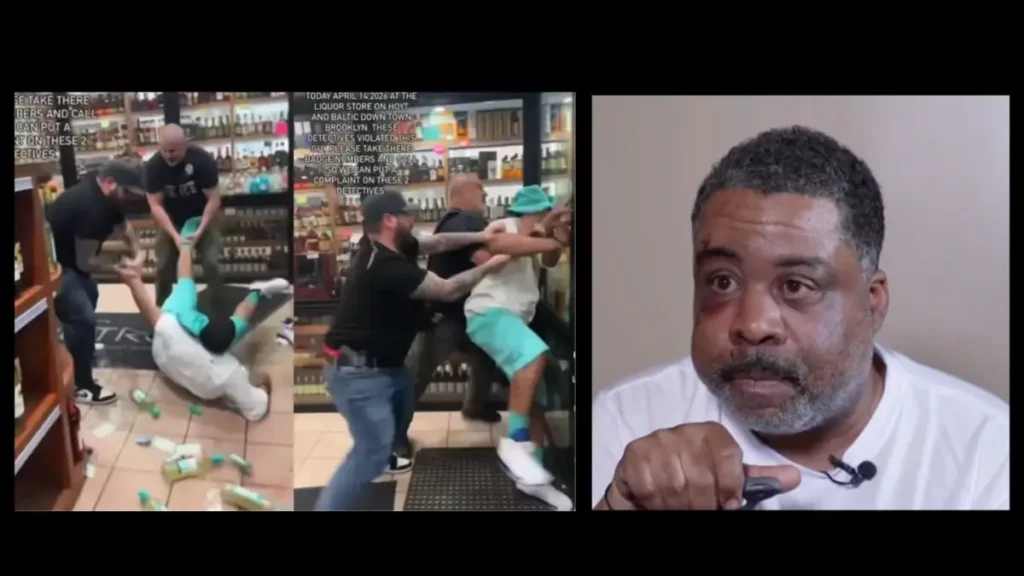
In a chilling incident that has shaken the very foundation of trust between law enforcement and the communities they serve, a Black man in Brooklyn was brutally beaten by police after being misidentified as a drug suspect. This savage attack, which unfolded in a local liquor store, has ignited outrage among community leaders and residents alike, who are demanding accountability and justice. Eyewitnesses recounted a scene that was not only shocking but highlighted the longstanding issues of police brutality that continue to plague our neighborhoods. As the videos of the incident made their rounds on social media, the outpouring of anger and disbelief was palpable.
For many, this incident feels all too familiar, serving as a stark reminder of the systemic racism entrenched in policing practices. Community members expressed their fears about being targeted, not just for their skin color, but for simply existing in spaces that should feel safe and welcoming. The narrative often spun by law enforcement, that these actions are isolated incidents or unfortunate mistakes, rings hollow when the same patterns of aggression keep surfacing. Leaders within the community are now rallying to ensure that this violence does not go unanswered. They are calling for transparency and reform, urging officials to take a hard look at the current policing strategies that lead to such horrific outcomes.
City Council members and activists are demanding an immediate investigation into the officers involved, emphasizing that accountability must be more than just a word. They are insisting on systemic changes to protect citizens from unwarranted aggression and to rebuild the trust that has been shattered. The community is uniting, echoing the sentiment that enough is enough. The calls for justice resonate beyond Brooklyn, reflecting a national outcry for an end to police brutality and a demand for more humane interactions between officers and the communities they are sworn to protect.
As we continue to grapple with the implications of this violence, it is crucial that we remain vigilant and vocal. Social media is a powerful tool, and it has the potential to shape narratives and force change when used effectively. This is not just a Brooklyn issue; it is a national crisis that requires our collective action and solidarity. Together, we can illuminate the need for fundamental changes in our policing system, ensuring that no one else suffers the same fate as the man cruelly beaten in that liquor store. The time for action is now, and as community members, we must stand firm in our refusal to accept anything less than justice.
About The Author