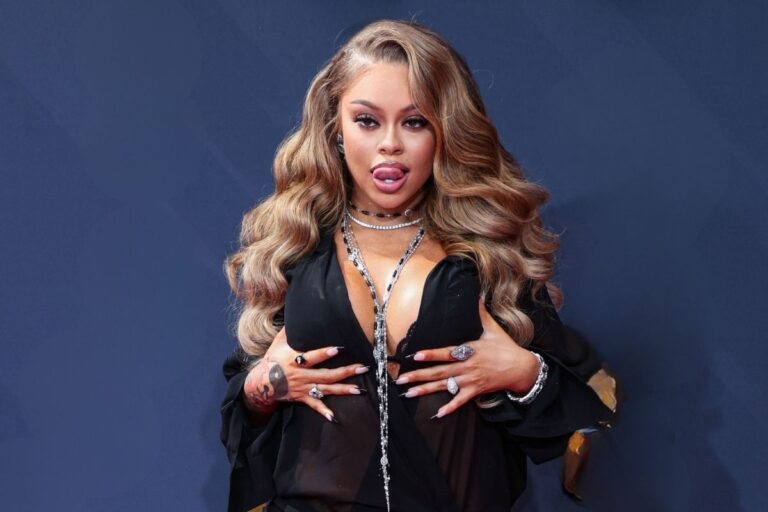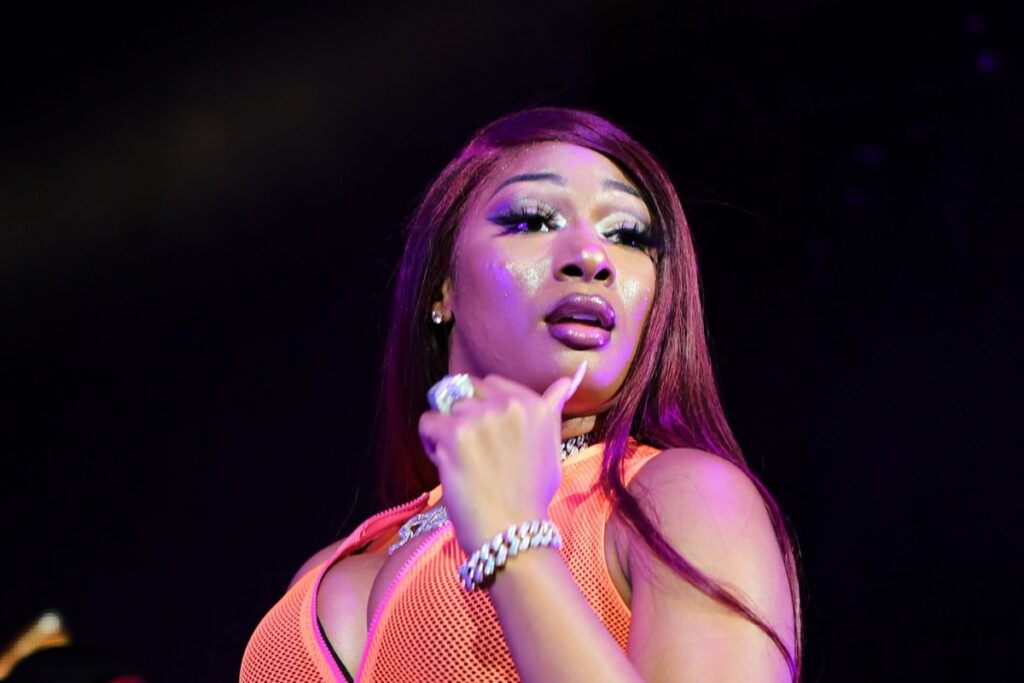
In a significant development that has reverberated across the hip-hop community, Megan Thee Stallion’s legal efforts to silence blogger Milagro Gramz have been thwarted by a federal judge. Megan, known for her powerful presence in the rap game, sought to put a lid on Gramz’s critiques, but the court’s ruling underscored the importance of First Amendment rights in the age of digital discourse. The decision serves not only as a win for Gramz but also reinforces the notion that public figures, especially in the world of entertainment, must be prepared to handle public scrutiny with grace and resilience.
Milagro Gramz, who has carved out a niche for herself as an outspoken commentator on the hip-hop scene, expressed relief and determination following the judge’s ruling. She has been vocal about Megan’s artistry as well as her personal life, often drawing lines that many consider controversial. But this legal setback for Megan reveals a broader issue that many artists face: the challenge of managing their public personas while striving to maintain control over their narratives. In an era where social media amplifies voices both big and small, the fight for privacy can sometimes feel like an uphill battle.
Megan’s attempts to silence Gramz can be interpreted as a reflection of the pressures that come with fame. Navigating through criticisms—both fair and unfair—can be overwhelming, especially when one’s image and artistry are at stake. However, this ruling may encourage Megan to embrace the conversations happening around her, rather than attempting to censor dissenting voices. It’s a reminder that while artists can create their music, they can’t always dictate how it will be discussed or interpreted.
As the dust settles, the implications of this case extend beyond Megan and Milagro. It symbolizes the ongoing struggle between celebrity and critique, art and commentary. For fans and followers of the hip-hop genre, it’s a testament to the evolving dynamics of public discourse and the importance of standing up for one’s right to speak freely—even when that speech stirs the pot. This incident serves as a clarion call for artists to engage with their critics and grow from the dialogue, rather than retreating into silence.
About The Author