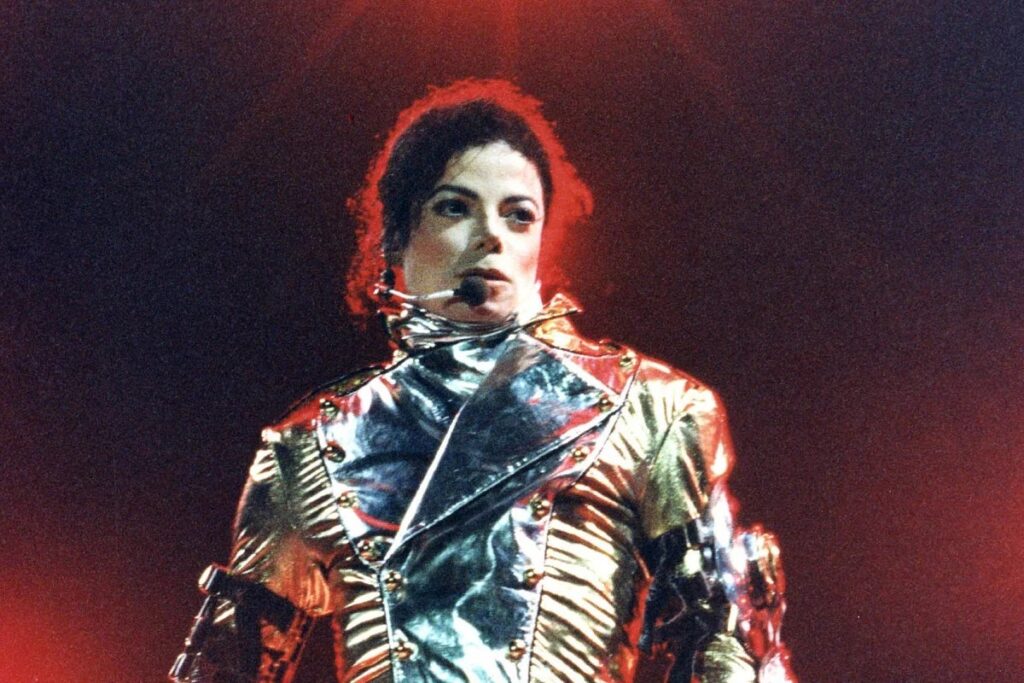
In a recent interview, Antoine Fuqua, the director behind the upcoming Michael Jackson biopic, stirred the pot by expressing his skepticism regarding the abuse allegations that have long shadowed the King of Pop. While the conversation around Jackson’s legacy is often dominated by these accusations, Fuqua’s perspective adds a layer of nuance that is frequently overlooked. He questioned whether Michael actually committed the acts he’s been accused of, suggesting that the complexities surrounding these claims deserve a more careful examination.
Fuqua’s remarks come at a time when the narrative surrounding Jackson is more polarized than ever. On one hand, he is celebrated as a groundbreaking artist whose music transcended generations, while on the other, there is a weight of accusations that threatens to tarnish that legacy. It’s a dichotomy that many find hard to reconcile, and Fuqua’s position seems to invite more dialogue than division, urging us to scrutinize the evidence and motivations behind the claims.
The biopic promises to delve deep into Jackson’s life, aiming to portray not only the icon we adore but also the man behind the sequined glove. Fuqua’s skepticism might suggest a desire to paint a fuller picture of Jackson’s complexity, rather than presenting a one-dimensional narrative. This approach is essential, especially in an era where cancel culture often leads to oversimplified interpretations of celebrity lives. Fuqua’s perspective encourages us to consider the broader implications of these allegations and how they intersect with the cultural landscape.
As discussions around the film grow, so does the anticipation. Will Fuqua provide a counter-narrative that challenges the prevailing story, or will he choose to explore the intricacies of a life lived in the spotlight? Whatever direction he takes, Fuqua’s skepticism opens the door for a more balanced exploration of Michael Jackson’s legacy, one that honors his contributions to music while grappling with the darker aspects of his life. In a society eager to dissect the lives of its idols, this biopic could serve as a critical reminder that the truth is often more complicated than it appears.
About The Author