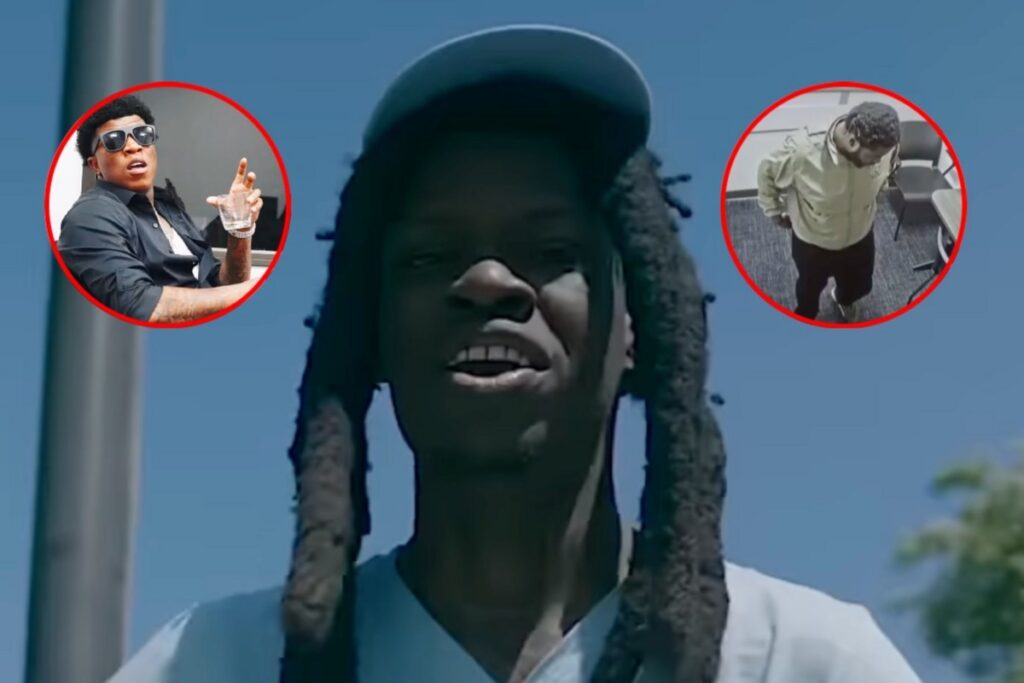
As the courtroom filled with tension, the highly publicized murder trial of rising rapper Foolio kicked off, leaving observers transfixed by the interplay of music and justice. An unexpected moment arose when a track by his rival, Yungeen Ace, echoed throughout the courtroom. The song, laden with narratives of street life and personal struggles, served as a sonic backdrop to the unfolding drama, highlighting the deep-rooted rivalries that characterize today’s hip-hop scene.
For those outside the music industry, it may seem surreal that a courtroom could become a stage for the kind of lyrical warfare that has captivated fans for years. Yet, for many, this trial is more than just a legal proceeding—it is a tragic reminder of the stakes involved in the lives of young Black men navigating a world rife with violence and competition. The playing of Yungeen Ace’s track was not merely incidental; it underscored the intricate connections between hip-hop culture and the real-world implications of its narratives.
Foolio, known for his sharp lyrics and polarizing persona, has been at the center of a beef that has escalated into violence, affecting both his life and that of his rivals. The courtroom proceedings, interwoven with elements of hip-hop culture, have drawn significant media attention, raising questions about how art imitates life, and vice versa. As the trial progresses, many will be watching closely—for the verdict, yes, but also for what this case says about the nature of violence in hip-hop and the impact of systemic issues on the narratives artists choose to tell.
As the trial unfolds, it’s clear that this case is more than a headline; it’s a reflection of the complexities within the hip-hop community and the broader societal challenges that artists face. In a world where every bar can spark a real-life feud, the stakes are high, and the lessons are profound. Foolio’s story serves as a cautionary tale, a reminder that the lines between art and reality are often blurred, and the consequences can be dire. The journey through this trial will serve as a stark reminder of the realities behind the music, as fans and critics alike engage in a dialogue about the costs of fame and rivalry in the hip-hop landscape.
About The Author