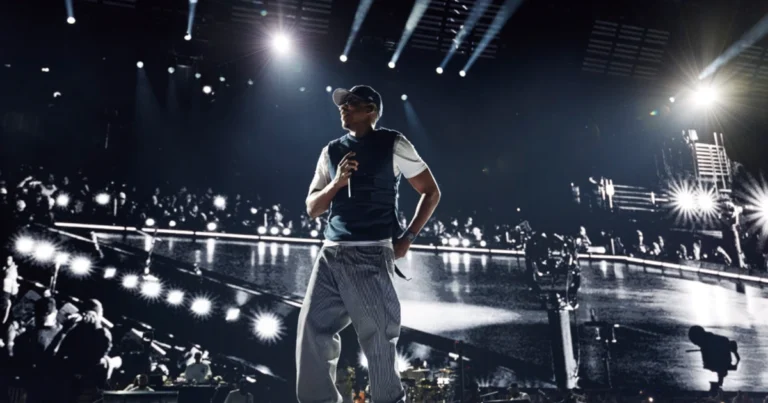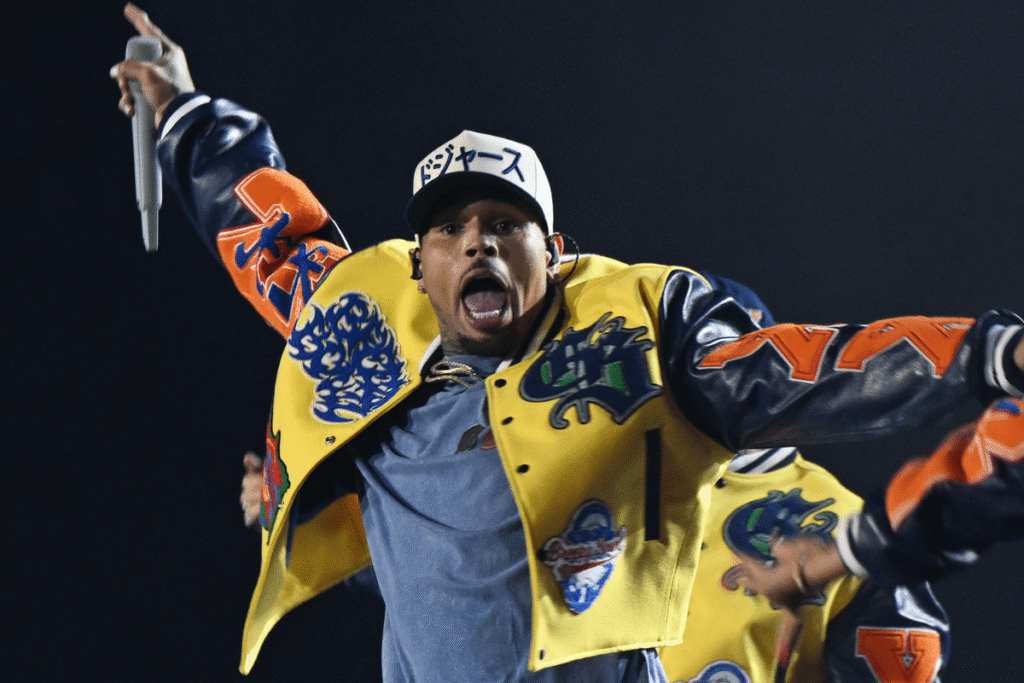
The music world has a knack for creating polarizing figures, and Chris Brown exemplifies this phenomenon perfectly. With his recent collaboration on a tour with Usher, the reactions from fans have ranged from excitement to outright disapproval. As the concert dates approach, calls for a boycott are echoing through social media platforms, igniting a debate about accountability in the entertainment industry. While some fans are eager to buy tickets and revel in the nostalgia of their favorite hits, others are staunchly against supporting an artist with such a controversial past.
The conversation surrounding Chris Brown isn’t new; it’s cyclical, flaring up whenever he steps into the spotlight. His history of legal troubles, particularly regarding domestic violence, has consistently led to public outcry. This time, with the potential for sold-out arenas, the clash of opinions is even more pronounced. Supporters argue that he’s a talented artist who deserves a second chance, while detractors feel that his past actions should not be glossed over, especially in an age where social justice and accountability are at the forefront of cultural discussions.
In a sense, this situation raises broader questions about how we engage with art created by flawed individuals. Can we separate the artist from the art? As fans grapple with this dilemma, the reality is that Chris Brown’s music continues to resonate with many, regardless of the controversies attached to him. The melodies of his tracks, whether you love them or loathe them, have carved out a significant space in popular culture. This complicates the narrative surrounding any boycott movement, especially when considering the sheer number of fans who still hold a deep affection for his work.
As the tour kicks off, it will be interesting to see just how this divide affects ticket sales and concert attendance. Will those calling for a boycott have enough influence to disrupt the momentum, or will the allure of the stage be too intoxicating for fans to resist? One thing is for certain: the conversation about Chris Brown is far from over. Whether it’s through protest or sheer enthusiasm, the mixed emotions surrounding his music and persona are a testament to the complexities of celebrity culture in our society. In the end, Chris Brown’s legacy may be one of both remarkable talent and contentious debate, encapsulating the ongoing struggle to reconcile art with morality.
About The Author