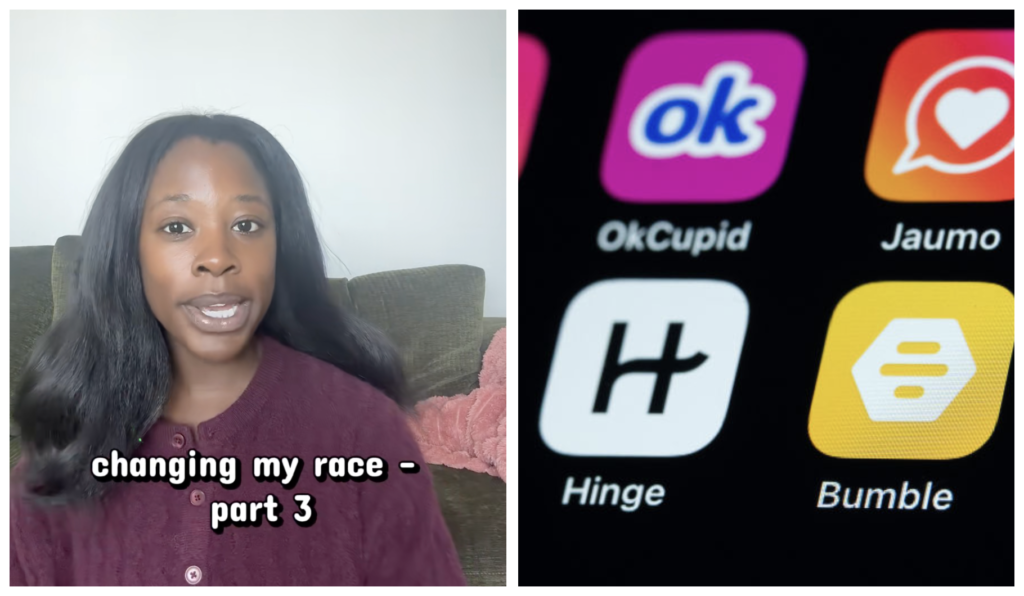
In a compelling social experiment, a Black woman recently revealed the stark realities of dating apps by changing her race on Hinge. The results were eye-opening and highlighted some uncomfortable truths about systemic biases in online dating. After altering her profile to reflect a different ethnicity, she experienced a dramatic increase in matches that had previously eluded her as a Black woman. This phenomenon raises pressing questions about the hidden algorithms that govern dating apps and their impact on representation and race.
Her experiences echo a larger narrative where Black women often find themselves navigating a digital landscape fraught with challenges, often feeling invisible or overlooked. This revelation is not just personal; it speaks to the broader issues of racial bias embedded in technology and how it shapes romantic opportunities. It’s disheartening to consider how an app’s algorithm might determine a person’s worthiness for connection based on the color of their skin.
The impact of these algorithms is not a standalone issue; it intersects with societal perceptions of beauty, desirability, and value. As we continue to grapple with these conversations, it becomes increasingly crucial to push for changes in how these platforms operate. Are dating apps inadvertently perpetuating racism? How do we hold them accountable for the systemic biases that affect users differently based on race?
As this woman’s story circulates online, it resonates with many who have faced similar frustrations in their quest for love and companionship. It’s a reminder that while technology holds the potential to connect us, it can also reinforce outdated social hierarchies. Ultimately, her experiment is a call to action for individuals and developers alike to rethink how race is perceived in digital spaces, ensuring that all users—regardless of their background—have equal opportunities to find meaningful connections.
About The Author