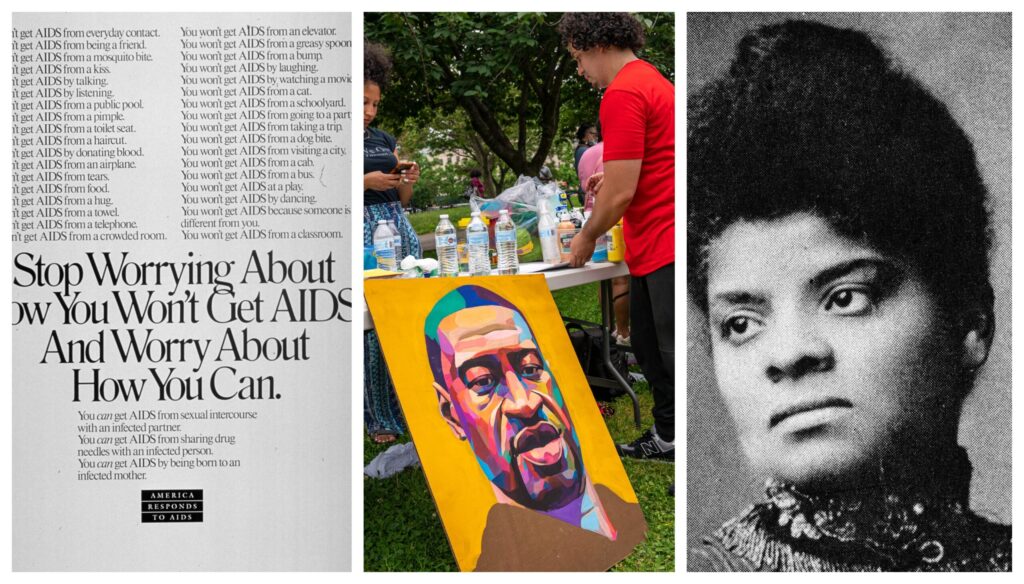
Throughout American history, journalism has played an instrumental role in shaping the Black experience, often serving as a lifeline in moments of crisis. From the early days of the ‘Red Record,’ where Ida B. Wells used her pen to expose the horrors of lynching, to contemporary investigative reporting that sheds light on systemic injustices, the power of the press has been undeniable. Wells’ groundbreaking work not only informed the public but also galvanized activists and allies, proving that words could ignite change and save lives. In her footsteps, generations of Black journalists and writers have wielded their craft as a shield against oppression, bringing to light stories that would otherwise be buried in silence.
Fast forward to the digital age, where smartphones have become our primary means of receiving information. The rise of social media has transformed journalism into a more immediate and participatory platform, enabling real-time documentation of events as they unfold. Iconic moments like the footage of the brutal murder of George Floyd sparked worldwide protests and prompted a re-examination of systemic racism within the United States. Here, journalism and citizen reporting converged, showing that the fight for justice is often won through the lens of a camera and the click of a ‘share’ button.
Moreover, investigative journalism continues to uncover the truth about police violence, environmental racism, and healthcare disparities within Black communities. Publications dedicated to exposing corruption and advocating for social justice have shifted public perception and led to policy changes. The power of storytelling cannot be underestimated; it builds empathy, educates the masses, and, perhaps most importantly, holds those in power accountable. By highlighting the lived experiences of Black individuals and communities, journalists create a narrative that demands attention and action.
As we reflect on these milestones, it becomes evident that journalism is not merely a profession; it is a vital component of the fabric that holds our communities together. Whether through traditional outlets or new media platforms, the commitment to truth-telling remains a beacon of hope and resistance. In recognizing the moments when journalism has saved lives, we honor those who have used their voices to challenge injustice and inspire change. The legacy of these efforts reminds us that the fight for equality is ongoing, and with every article, podcast, and tweet, we can continue to elevate the stories that matter most to our communities.
About The Author