Optimized by JPEGmini 3.18.2.210593879-AP 0x727ded31
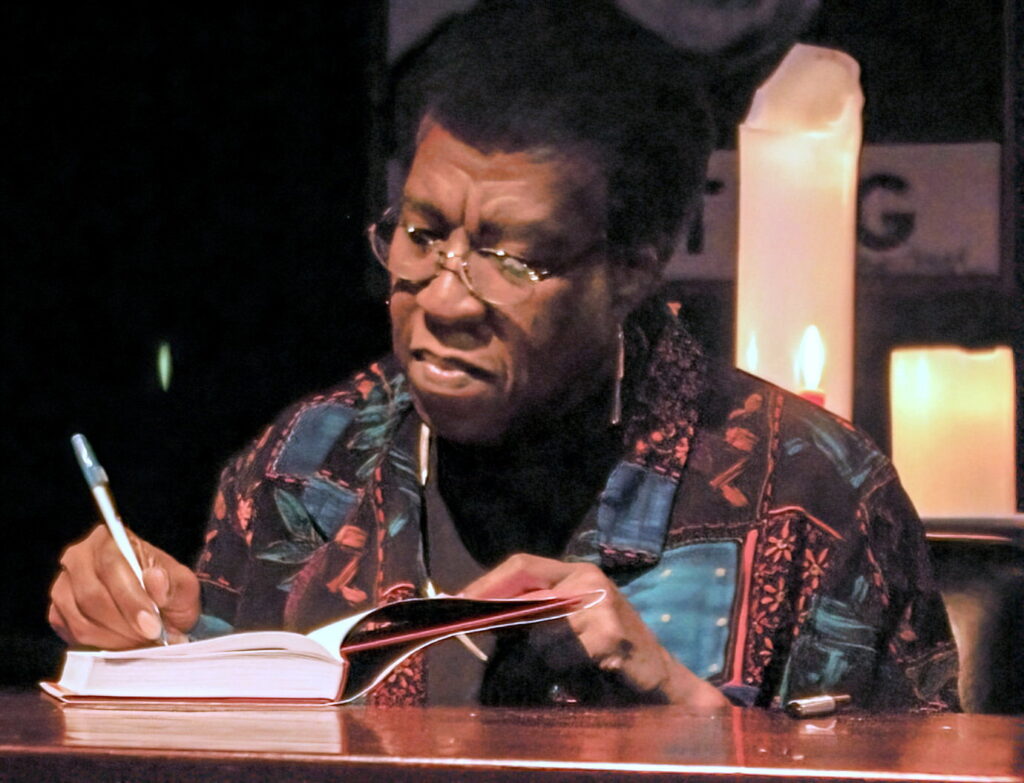
Octavia Butler, a name synonymous with groundbreaking science fiction and a pioneer in weaving complex narratives about race, gender, and humanity, has long claimed her spot among the literary greats. Yet, even icons like Butler grapple with self-doubt. Such was the case with her early work, “Survivor,” a novel she deemed unworthy of publication, leading her to stop its circulation entirely. This decision was a testament to her relentless pursuit of excellence, revealing the unwavering standards she held not only for herself but for the stories she felt compelled to share.
Now, after decades of absence from bookshelves, “Survivor” is poised for a revival this summer, a testament to the enduring relevance of Butler’s work and the changing landscapes of literature. First published in 1976, the novel presents a dystopian world that resonates deeply with contemporary themes of survival and identity, making its return not just a literary event but a cultural milestone. As we dive into this newly available work, it’s essential to recognize the context in which Butler wrote: the 1970s, a time when Black voices were often marginalized in speculative fiction.
The re-release of “Survivor” offers a chance for both new readers and longtime fans to witness the early stages of Butler’s literary genius. The novel grapples with issues of power dynamics, societal structures, and the intricacies of human relationships, all wrapped in a rich science fiction narrative. For readers today, Butler’s themes resonate with our ongoing conversations about race, equity, and the human experience. It’s a reminder of how foresight can illuminate paths for future generations.
Butler’s reluctance to republish “Survivor” can be viewed through the lens of her evolution as a writer. She eventually transformed into a master of the genre, earning accolades and producing works that would challenge and expand the boundaries of speculative fiction. Her decision to now allow the novel’s return reflects a broader acceptance of her early writing while also acknowledging the growth she experienced over the decades. As we anticipate this summer’s release, it serves as an invitation to engage with Butler’s work, to reconsider the narratives that shaped her and continue to shape us.
About The Author